

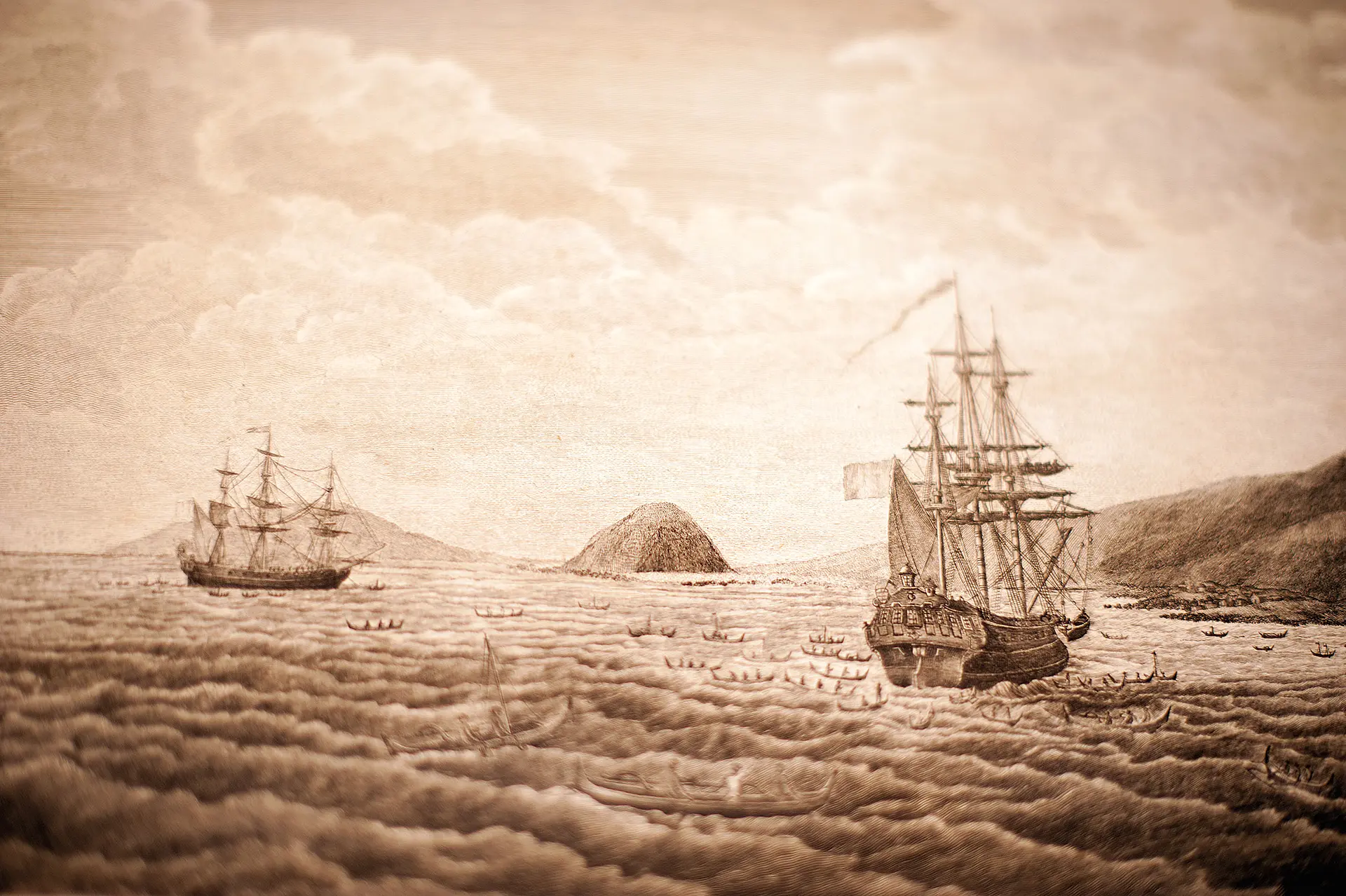
People in the early modern period were often mobile. Travelling, trade and transport intensified enormously during this period. The reasons for travelling were religious and spiritual, but they also served educational, vocational training and appointment purposes, and visits to relatives were also undertaken. However, less is known about the infrastructure that made travelling possible in the first place, about accommodation, travelling utensils and the travellers' choice of routes and means of transport. The Gotha Research Centre at the University of Erfurt is now hosting an exhibition entitled "The fascination of travel: (survival) in the early modern period", conceived and curated by history students, which takes visitors on a journey through the early modern period between 1500 and 1800. The exhibition sheds light on how people prepared for their journeys, the dangers along the way and how travellers kept themselves informed. It shows medical care, the postal system and early modern souvenirs. Visitors accompany two fictional characters – an aristocratic woman from Weimar and a commoner from Erfurt – on their journeys. Fictional travel diaries, based on real events and routes, describe their experiences.
In the seminar "Travelling and Infrastructures in the Early Modern Period", students under the direction of PD Dr Astrid Ackermann designed themed panels, researched sources and literature, wrote texts and selected historical images.
A public guided tour by Richard Wacker and Astrid Ackermann will take place on 15 January at 4 pm at the Gotha Research Centre, Schloßberg 2. Admission is free, registration is not necessary.


![[Translate to English:] facebook icon](/fileadmin/SocialMediaIcons/iconfinder_06-facebook_white.svg)

![[Translate to English:] instagram icon](/fileadmin/SocialMediaIcons/iconfinder_38-instagram_white.svg)
![[Translate to English:] YouTube icon](/fileadmin/SocialMediaIcons/iconfinder_18-youtube_white.svg)
![[Translate to English:] xing icon](/fileadmin/SocialMediaIcons/iconfinder_xing_white.svg)
