
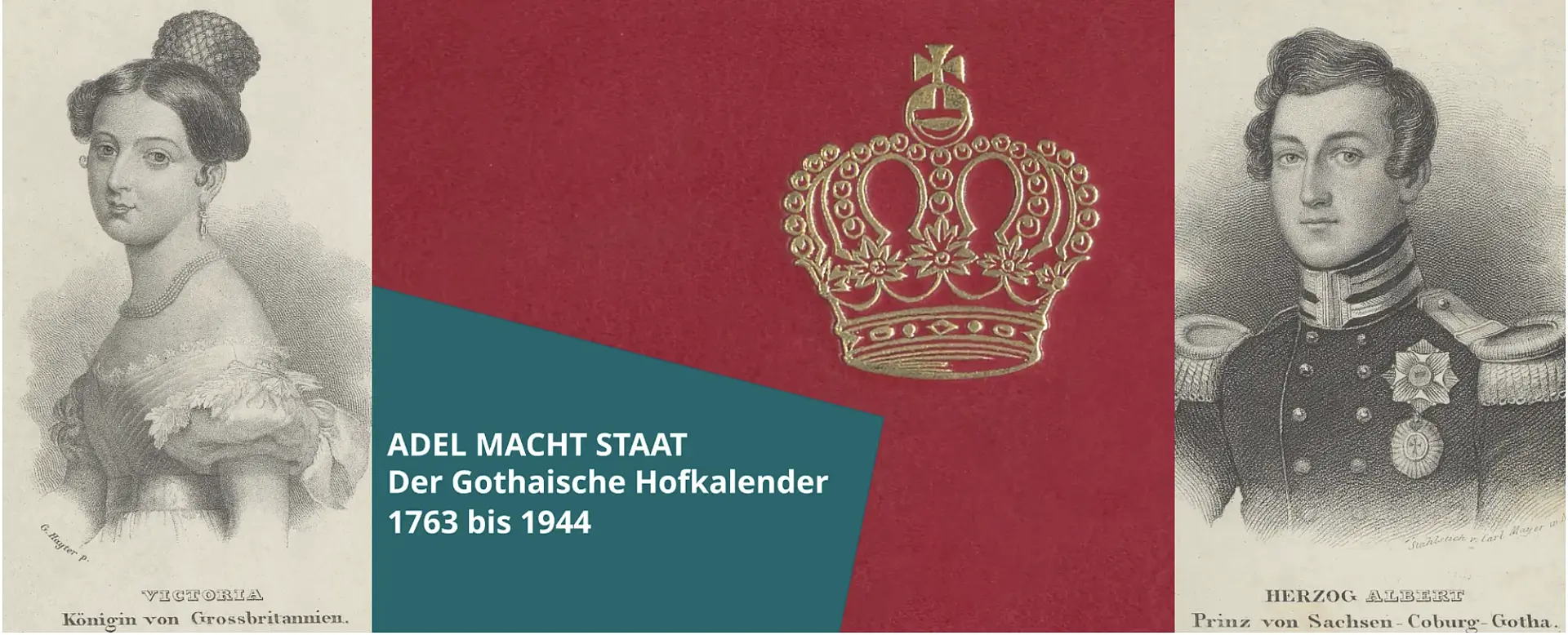
In the decades around 1900, the (von) Mallinckrodt family, based in Cologne, launched an impressive campaign to research their own genealogy. These efforts were linked to the – initially successful – attempt to have a supposedly old aristocratic title recognised again. In the GOTHA of 1904, the family was recognised as a noble family "von Mallinckrodt". Decades later, however, the genealogical foundation of this aristocratic status came under scientific criticism, and the GOTHA refrained from listing the family as a “Uradel” after the First World War. A long-lasting "war" (bellum) between experts and the family began, in which the social status of the family was controversial and fought hook, line and sinker. The lecture on 28 October will use this spectacular case to shed light on the significance of genealogy for the nobility in the German Empire and the Weimar Republic.
Professor Markus Friedrich has held the professorship for Early Modern European History at the University of Hamburg since 2013. He has researched the Jesuit order and early modern archives. Among other things, he currently heads the DFG-funded project "The Gotha – A study of the most important genealogical reference work in modern Europe" at the University of Hamburg, which is dedicated to researching the “Gothaischer Hofkalender/Almanach de Gotha” and its sub-series, the genealogical pocketbooks, in close cooperation with the Gotha Research Library at the University of Erfurt.
At the end of the evening, the Friends oft the Gotha Research Library association invites you to a small reception.


![[Translate to English:] facebook icon](/fileadmin/SocialMediaIcons/iconfinder_06-facebook_white.svg)

![[Translate to English:] instagram icon](/fileadmin/SocialMediaIcons/iconfinder_38-instagram_white.svg)
![[Translate to English:] YouTube icon](/fileadmin/SocialMediaIcons/iconfinder_18-youtube_white.svg)
![[Translate to English:] xing icon](/fileadmin/SocialMediaIcons/iconfinder_xing_white.svg)
