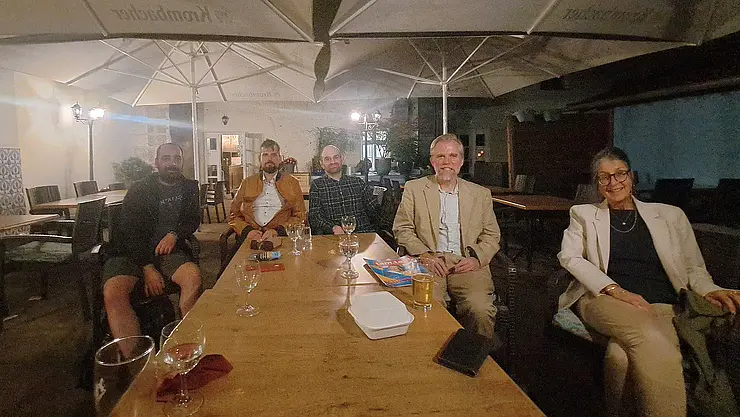
On September 15, 2026, the project welcomed Clark Lombardi (Professor, University of Washington School of Law) to the University of Erfurt. Professor Lombardi, a specialist in Islamic law and constitutionalism, joined De(Col) researchers to discuss critiques of rupture and continuity that are at the heart of the project. Lombardi’s particular interest in state constitutions sheds light on how Islamic legal traditions become embedded in legal institutions associated with legal modernity across the world. Lombardi likewise provided constructive feedback on the projects in-process with the researchers of (De)Colonising Shari’a?.
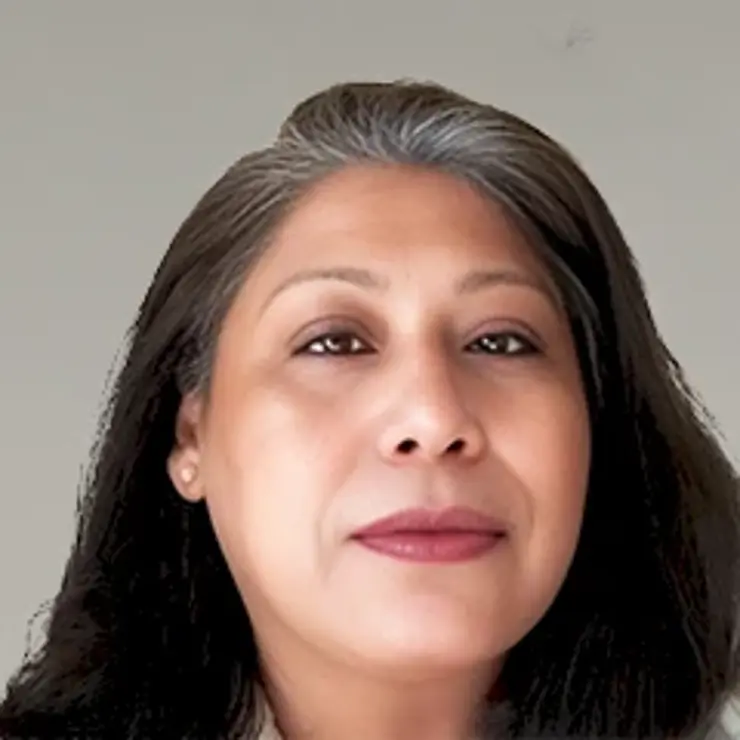
On June 17, 2026, the project team welcomed Dr. Yasmeen Arif, Professor of Sociology in the School of Humanities and Social Sciences at Shiv Nader University, India, and MWK Distinguished Fellow for the 2025/26 academic year, for an expert discussion. The meeting focused on the projects’ methodological approaches and their engagement with postcolonial theory and decolonial thinking. The discussion also addressed the pitfalls of periodization, the importance of studying institutions and transitional processes, as well as the need to identify structural patterns that illuminate how power operates across different legal settings.
On July 6, 2026, the “(De)Colonizing Shari’a?” (“DeCol”) project hosted Prof. Dr. Thomas Duve (Director, Max Planck Institute for Legal History and Legal Theory, “Historical Regimes of Normativity”), one of the leading voices in global legal history, for a public lecture and discussion with the DeCol research group. Professor Duve delivered a lecture at the University of Erfurt entitled, “How to Analyze the History of Normative Orders from a Global Perspective?” The lecture critiqued the concept of “law” as developed by generations of legal scholars shaped by nineteenth-century European notions of religion, morality, and politics. Professor Duve argued that the European juristic tradition distorts the study of non-Western societies, especially when scholars conceptualize law itself as an autonomous system with universally applicable grammar. Instead, Professor Duve proposed understanding law as a knowledge-based social practice, one that focuses on how rules become binding in a given context. Using the broader concept of normativity rather than law makes it possible to compare legalities across multiple contexts without forcing them into European legal concepts. The talk sparked a wide-ranging discussion with the audience, including the topics of translation, the legacy of colonialism, and historical legal research methodologies.
The conversation continued in a separate session that Professor Duve conducted with members of the DeCol research group. The group’s members, each of whom conducts research on colonial-era shari’a, discussed how Professor Duve’s proposals could apply in Islamic legal historiography. The discussion included further elaboration of Duve’s central notion of normativity as well as its defining trait of social bindingness. Along with Duve, the group discussed its own central questions of how to define shari’a itself—as law, normativity, or otherwise—and how to characterize its change since the nineteenth century. The exchange likewise included discussions of how scholars across contexts can collaborate, which all attendees hope to continue in the near future.
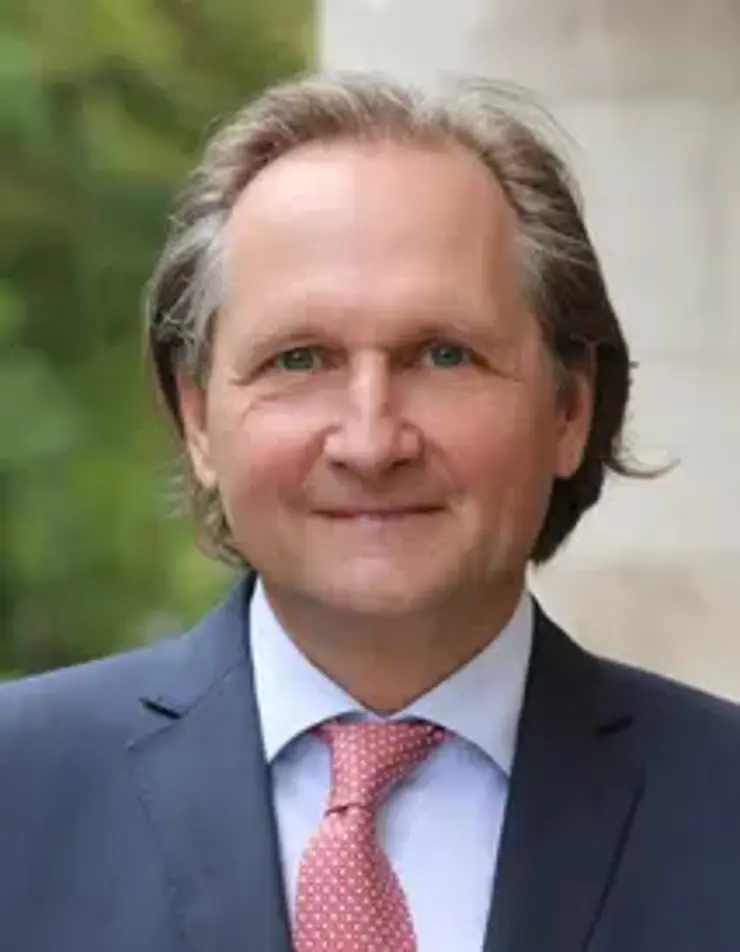
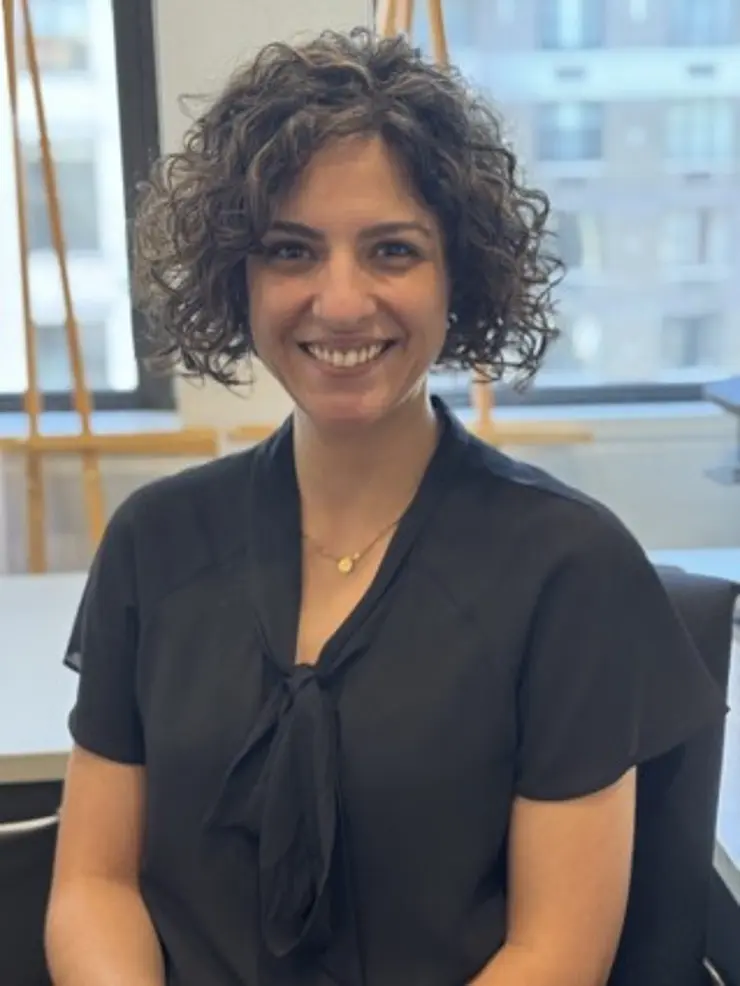
On April 22, 2026, the (De)Colonizing Sharia? project hosted Dr. Bahare Ebne Alian (PhD, The New School) for a lecture entitled, “Rationalities of the Dual State in Iran: Religion, Law, and Authoritarian Power in the Islamic Republic.” Based on Dr. Ebne Alian’s doctoral dissertation, the lecture invoked Ernst Frankel’s famed notion of the “dual state” to examine post-Revolution Iran (1979 to present). In doing so, she demonstrated how the so-called Islamic Republic can have a robust set of legal rules and procedures while operating through state discretionary power by decrees. Such dual state entities, Dr. Ebne Alian argued, has served both to ensure the Iranian state’s institutional survival while likewise separating law from the domain of politics.
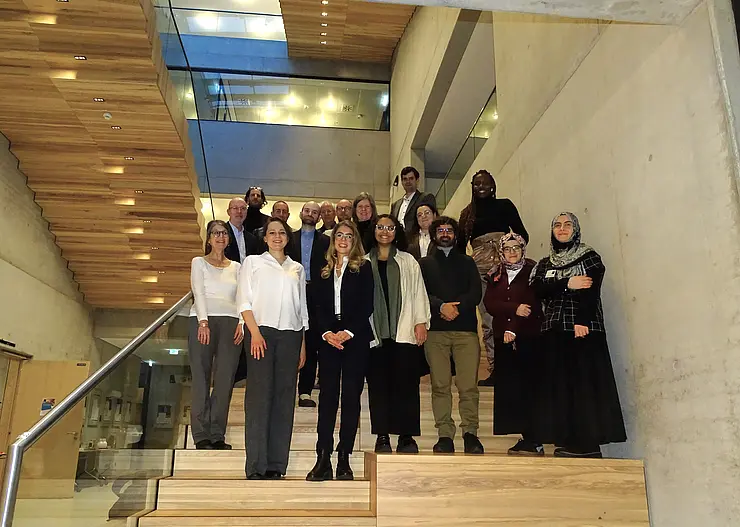
On February 11-12, 2026, the ERC-Advanced Grant project, “(De)colonizing Shari’a?” (DeCol), hosted its inaugural workshop event, “How to ‘Decolonize’ Research on non-European (Legal) History and Religion: Approaches and Reflection” at the Max Weber Centre for Advanced Social and Cultural Studies (University of Erfurt). The event brought together 21 scholars across multiple disciplines to investigate the methodological challenges of studying law and religion in non-Western contexts. The workshop especially sought to identify the limitations of Eurocentric frameworks to these fields and to explore new pathways guided by postcolonial, decolonial, and other alternative approaches.
Workshop participants were asked to present cases from their own legal research that considered the following questions:
Scholars focused on long-standing approaches to conceptual history, the epistemic challenges of translation, and the ongoing utility–or limitations–of the colonizer-colonized heuristics. Drawing on contexts ranging from China and India to Egypt and Palestine, participants leveraged their case studies to push beyond conventional Western disciplinary boundaries.
The workshop comprised five thematic panels (see full program below) designed to sustain dialogue on these questions, respectively addressing:
In their presentations, panelists embraced a variety of methodological approaches for addressing colonial and postcolonial legal history, particularly in relation to the themes of conceptual history, translation, and Islamic legal transformations:
A final wrap-up session underscored the thematic axes of translation, conceptual history, and entangled spaces for future study alongside ongoing debates about the promises of post- and decolonial frameworks.
Future events will build on these themes with specific attention to the project’s goal of tracing colonial-era Islamic legal thought and practice in the Middle East and North Africa. To that end, the project recently completed its call for papers for the conference, “Rupture and Continuity in Islamic Law,” to be held June 9-11, 2027 in Istanbul. Stay tuned for the program and further information!
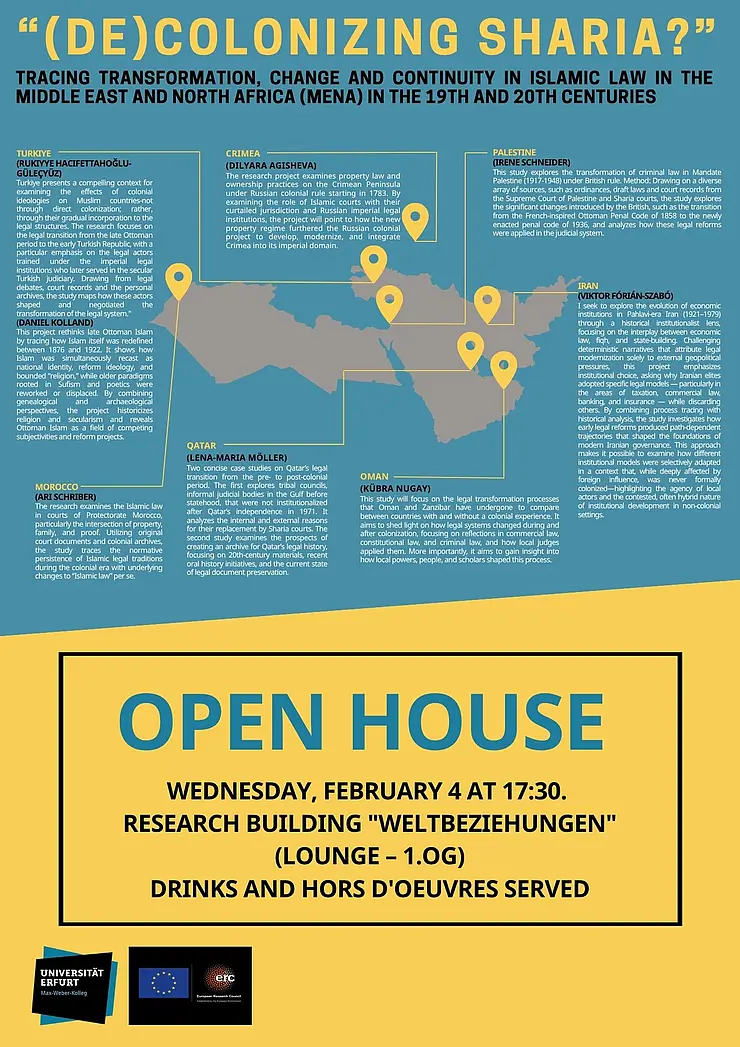
On February 4, 2026, the (De)Colonizing Shari’a? project hosted its inaugural Open House event at the Max Weber Centre for Advanced Social and Cultural Studies (Max-Weber-Kolleg) at the University of Erfurt. The event introduced the project’s aims and researchers to fellow researchers of the Centre, followed by informal discussions over drinks and hors d’oeuvres. DeCol researchers regularly participate in the Centre’s interdisciplinary colloquium series, giving and receiving feedback with research colleagues in long-standing programs like the Religion and Urbanity and Structural Change of Property projects hosted at the Centre. Through events like the open house, the DeCol project has been integrated alongside these programs in the Centre’s rich slate of research programs.
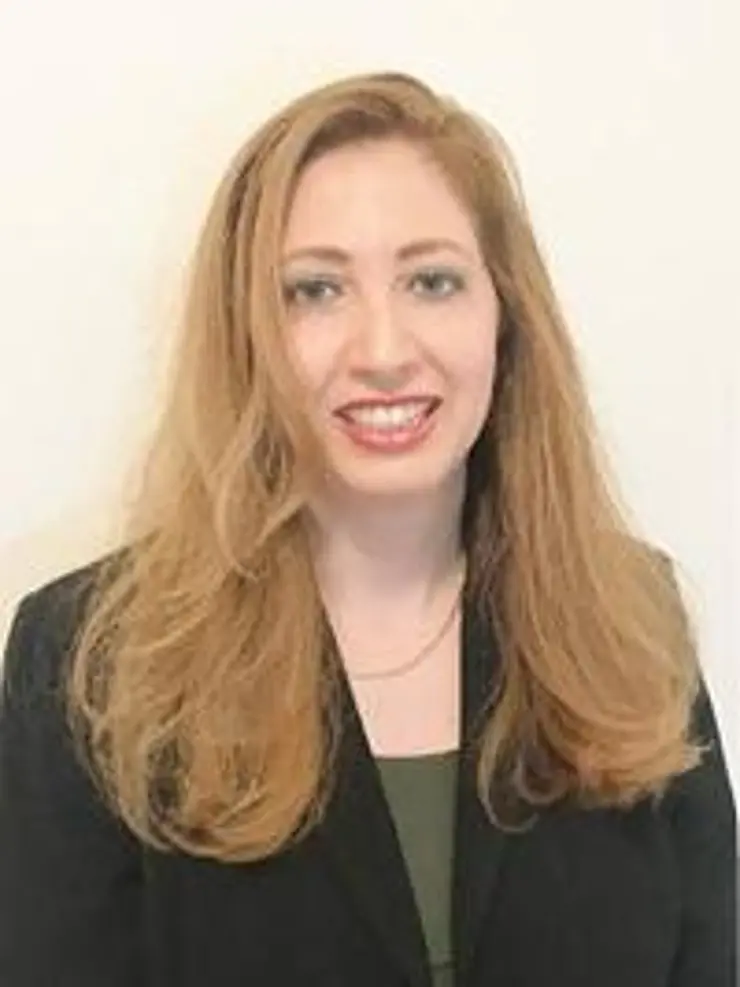
On October 20, 2025, the (De)Colonizing Sharia? project welcomed Professor Lena Salaymeh (École Pratique des Hautes Études, Paris) for an open lecture and group workshop discussion at the Max Weber Centre in Erfurt. As a specialist in Islamic law, legal theory, and decolonial critique, Professor Salaymeh argued that decolonizing the academic study of Islamic law should begin with the notion that Islamic law per se is a “tradition” and not “religious law.” To the contrary, based on several of her recent publications, Professor Salaymeh contended that both “religion” and “religious law” are colonial notions embedded in broader colonial epistemologies in need of decolonial critique. Alongside the DeCol research group, Professor Salaymeh elaborated her methodology of translation and its critical importance for interrogating the prevalent notions of religion and law in Western academia. The group further discussed the state of the art for decolonial critique, its potentials for Western Islamic studies, and conceptual history writ large for Islamic legal historians.


Universität Erfurt (Campus)
Nordhäuser Str. 63
99089 Erfurt