

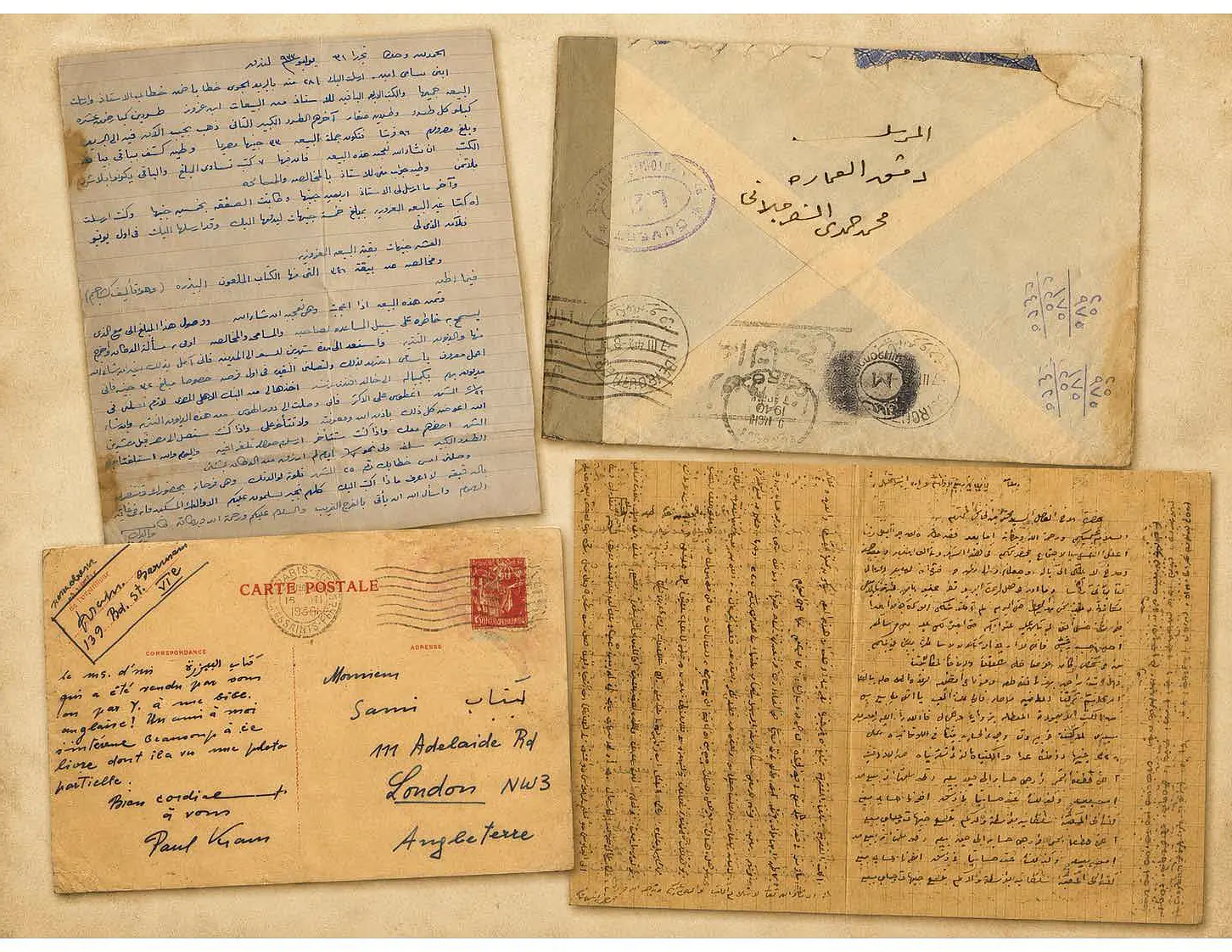
Taking as its point of departure Muḥammad Amīn al-Khānjī’s frustrated reference to “this cursed Kitāb al-Bayzara” (Book of Falconry, CBL Ar 3831), this paper reconstructs the journey of a rare Damascene manuscript of falconry through the hands of the dealer Ḥamdī al-Safarjalānī (d. 1962), al-Khānjī (d. 1939), A. S. Yahuda (d. 1951), and ultimately the American collector Alfred Chester Beatty (d. 1968). The al-Khānjī archive provides the initial threads, including names, negotiations, prices, complaints, and partial references that make this otherwise obscured journey visible. Following these threads through correspondence, periodicals, published editions, and surviving collections reveals the multiple actors involved in the sale of a manuscript or collection, as well as their agency in identifying manuscripts, negotiating their movement, controlling access to them, and shaping their eventual destinations.
Using the Kitāb al-Bayzara as a springboard, the paper broadens its focus to Syrian, and especially Damascene, manuscript dealers, including Ḥamdī al-Safarjalānī, Aḥmad ʿUbayd (d. 1989) and lesser-known dealers. It considers their varied motivations, the tension between commerce and the loss of manuscripts from local collections, and the mythos of the dealer as savior, set against the counter-image of the dealer as looter. It also examines the competing approaches to access that emerged within these networks: the secrecy surrounding manuscripts in Yahuda’s hands, on the one hand, and the attempts of al-Safarjalānī and al-Khānjī to circulate photographic surrogates or facilitate publication, on the other. Together, these cases illuminate the local agency and layered networks that shaped the Arabic manuscript trade and the formation of modern collections.
Rana Mikati is Associate Professor of Islamic History at the College of Charleston. Her research focuses on the social, religious, and military history of early Islam, as well as Arabic manuscript cultures and the history of the book trade. She is the author of Creating an Islamic City: Beirut, Jihad, and the Sacred and is currently co-authoring a study of the Egyptian publisher and manuscript dealer Muḥammad Amīn al-Khānjī and his archive.


![[Translate to English:] facebook icon](/fileadmin/SocialMediaIcons/iconfinder_06-facebook_white.svg)

![[Translate to English:] instagram icon](/fileadmin/SocialMediaIcons/iconfinder_38-instagram_white.svg)
![[Translate to English:] YouTube icon](/fileadmin/SocialMediaIcons/iconfinder_18-youtube_white.svg)
![[Translate to English:] xing icon](/fileadmin/SocialMediaIcons/iconfinder_xing_white.svg)
