
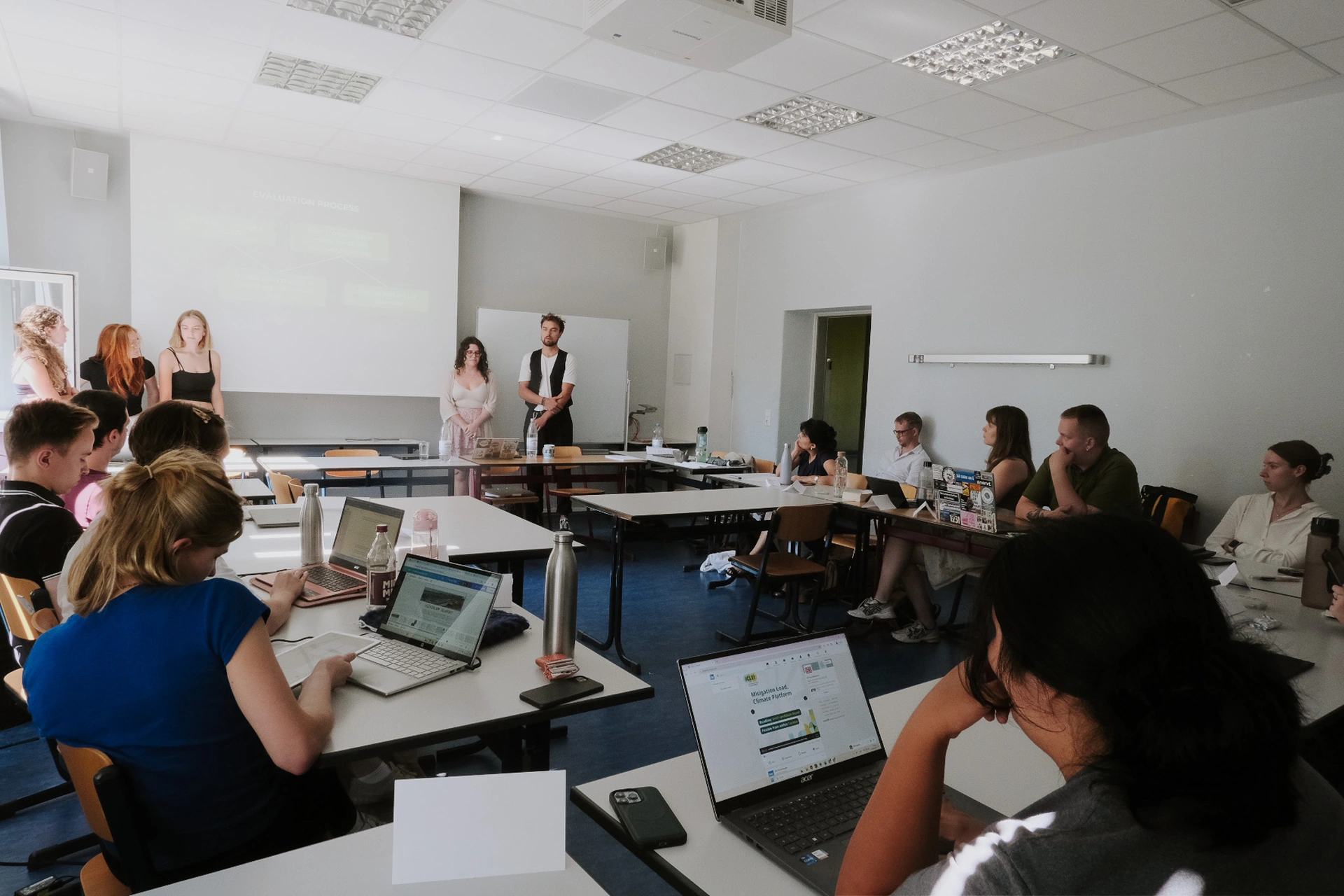
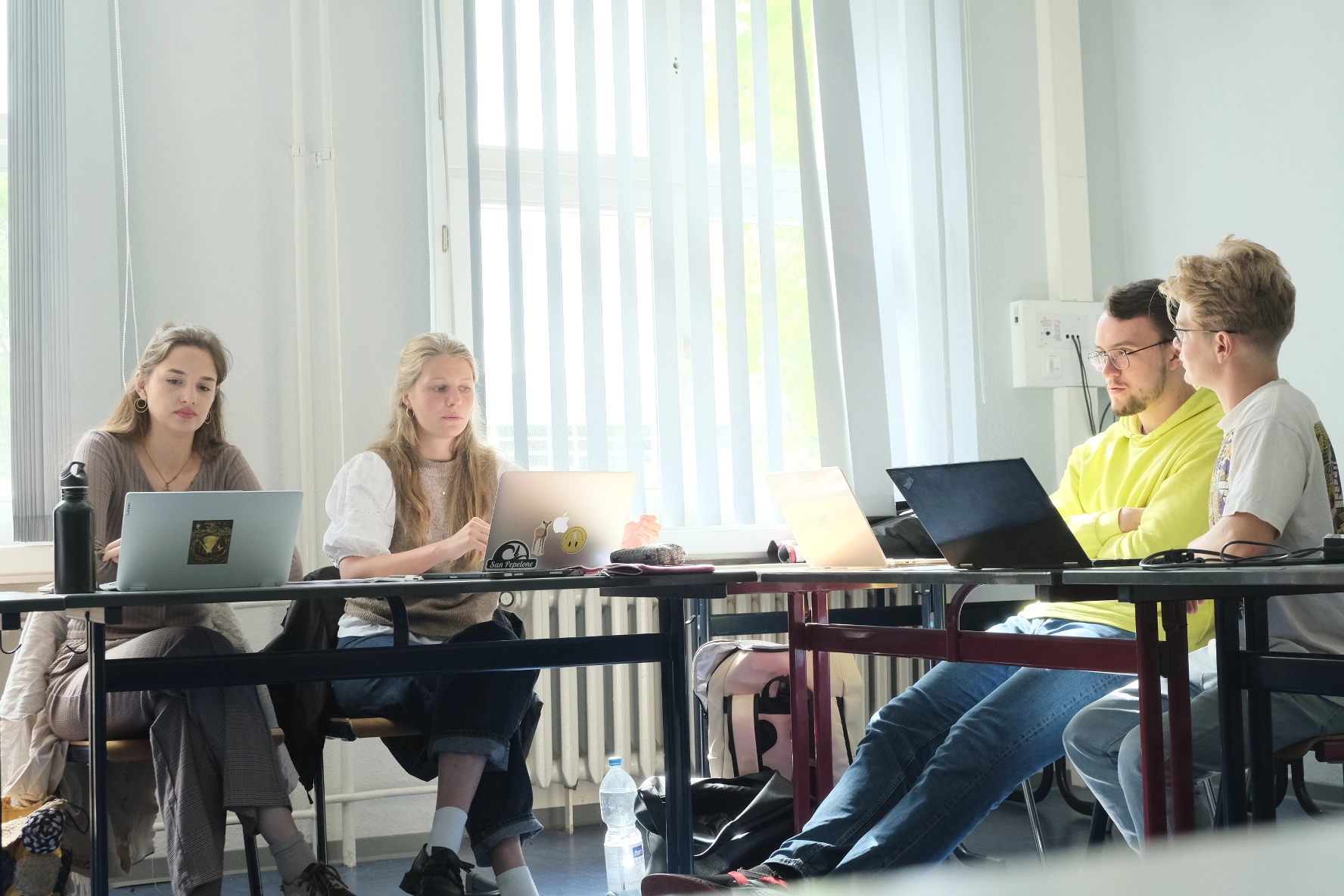
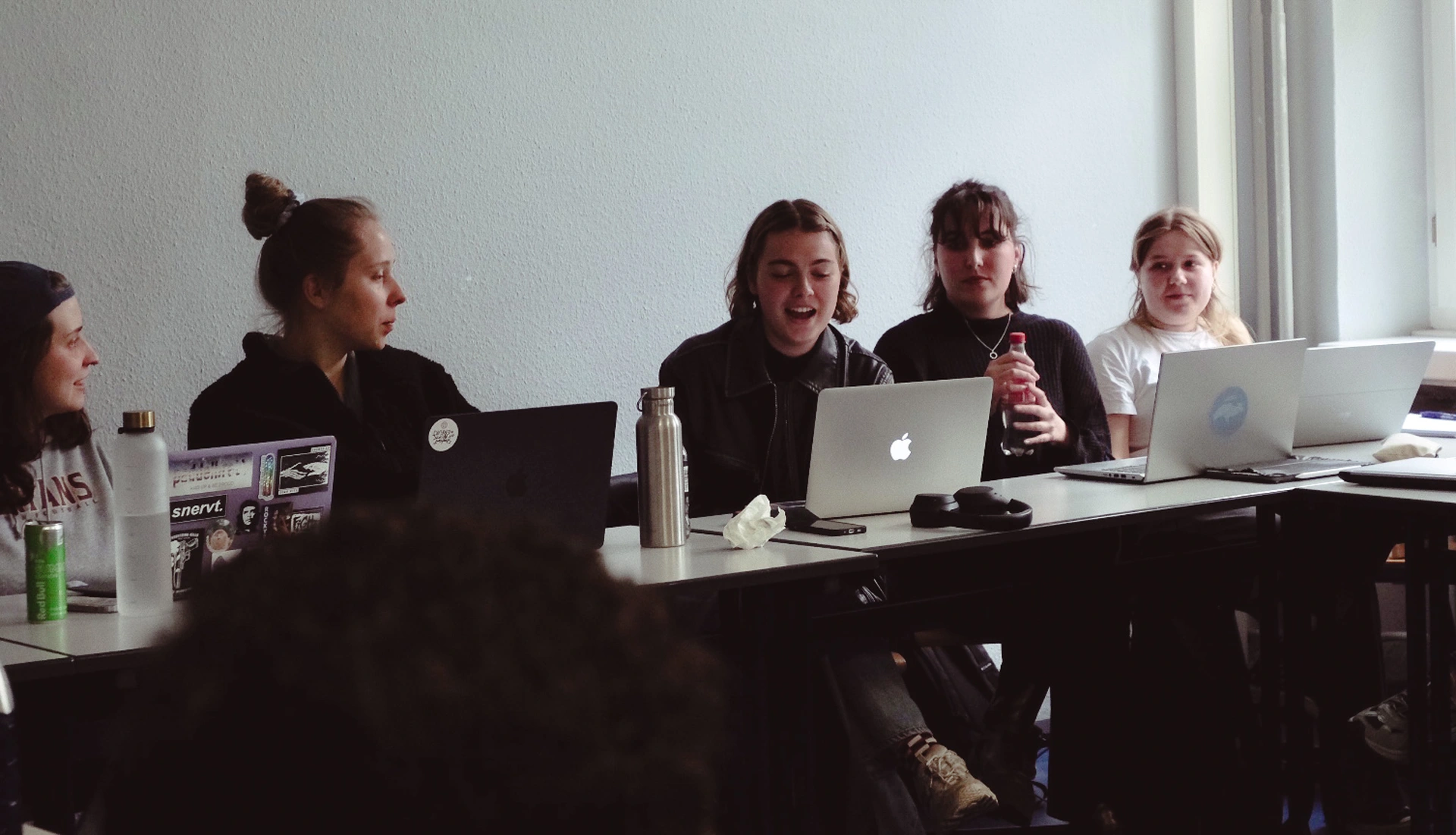
As part of the teaching project Clinical Education in Global Justice, students engage with real-world cases in the field of strategic legal empowerment and litigation. Within the framework of the clinic training, students receive a foundational education in international law with a focus on human rights. Human rights practitioners are involved in the training from the outset. Additionally, students work on real cases in various formats within the field of human rights. In recent years, students have supported the clinic’s partner institutions in conducting extensive legal research and developing litigation and advocacy strategies. Key focus areas have included the human rights responsibilities of corporations, the fight against modern slavery and the climate crisis.
Project Examples
Students of the Global Justice Clinic at the University of Erfurt support the fight against modern slavery on Brazilian coffee plantations
Millions of people in Germany drink coffee - but it is too often produced under slavery-like conditions. In the winter semester 2024/2025, the BA students of the Global Justice Clinic worked on case constellations on modern slavery on coffee plantations in Brazil. Together with the Modern Slavery and Human Trafficking Clinic of the Federal University of Minas Gerais (Brazil)they analysed the impact of the German law on the human rights due diligence of companies in supply chains (LkSG) on working conditions in coffee production in Brazil. A large proportion of the coffee produced on farms where cases of modern slavery are known to occur is delivered to countries such as Germany. German consumers are thus unknowingly drinking coffee that has been produced under slavery-like conditions. Honest producers who pay attention to fair working conditions are penalised by unfair competition.
The organisation Anti-Slavery International defines modern slavery as a situation of deprivation of liberty and exploitation of a person by another person, where the exploitation is either for personal or commercial gain. Those affected are deprived of their freedom, whether through deception, coercion or violence. In addition to human trafficking and forced labour, this definition also includes debt bondage. The International Labour Organization (ILO) estimates that 49.6 million people are living in modern slavery (including forced labour and forced marriage), around a quarter of whom are children. Many companies in Germany and Europe profit from such forms of modern slavery, while at the same time often emphasising their commitment to the protection of human rights and decent working conditions in their supply chains. However, their audits and inspections of suppliers are often superficial and cannot uncover or prevent the abuses that can also be found on Brazilian coffee farms.
In this context, the activities of the Global Justice Clinic are of great importance, as the project "Modern Slavery in the Coffee Supply Chain between Brazil and Germany" analyses the challenges of legal responsibility in global supply chains. To what extent can German supply chain law positively influence working conditions on coffee plantations in Brazil and ensure fair competition? Can German companies recognise and prevent cases of modern slavery among Brazilian suppliers, or be held accountable if they deliberately ignore modern slavery? What role does civil society play in the fight against modern slavery? These were some of the questions that the Erfurt students addressed in this project with partners from Brazil and summarised with the partners and in a final report.
Collaboration with the NGO Facing Finance
The Justice Clinic has collaborated with the Berlin-based NGO ‘Facing Finance’ on successive its flagship research series („Dirty Profits“) contributing to critical analyses at the intersection of finance, human rights, and corporate accountability.
In 2024, the students worked with Facing Finance on their annual Dirty Profits report. It examines the "Business Model Autocracy" and shows how European financial institutions support repressive regimes through sovereign bond issuance and investments. The report exposes extensive financial entanglements between major European banks and asset managers and autocratic states, demonstrating how access to capital enables the maintenance of repressive power structures. Grounded in the UN Guiding Principles on Business and Human Rights, the project highlighted significant gaps in due diligence, democratic accountability, and regulatory oversight within the financial sector, while advancing policy recommendations on sovereign bond guidelines and the inclusion of financial institutions under the EU Corporate Sustainability Due Diligence Directive (CSDDD).
The Clinic is continuing its work with Facing Finance in 2025 on the next Dirty Profits report, which focuses on the petrochemical industry. This ongoing project critically reassesses the historical development and future trajectory of the petrochemical sector in the context of climate transition, carbon dependency, and emissions-intensive production models. By examining structural transformations in energy use, material production, and carbon management, the report seeks to shed light on the evolving human rights, environmental, and governance risks associated with petrochemical finance and industrial restructuring.
Through these projects with Facing Finance, the students contribute to sustained, practice-oriented research that interrogates the role of financial and industrial actors in enabling systemic human rights and environmental harm, while supporting advocacy for stronger regulatory and accountability frameworks.
Publications
Policy Briefing Paper
Dirty Profits Report (Collaboration with Facing Finance)
Facing Finance: Dirty Profits Report 2024 – „Yielding to Autocracy. The Repressive Government Bond Ties of European Banks“
Clinic Cycles
Summer Term 2025
Winter Term 2024/2025
Summer Term 2024
Clinic Cycle 2023
Clinic Cycle 2022
Testimonials
Foundation for Human Rights Initiative (FHRI) - Uganda
Grace Nahurira Mutabazi completed an internship at FHRI; a leading non-governmental organisation in Kampala dedicated to promoting human rights, democratic governance, and the rule of law throughout Uganda. Her time at FHRI offered valuable lessons about the realities of human rights advocacy and illuminated the multidisciplinary nature of the work. Read her internship chronicle here.
Study Visit at the Universidade Federal de Minas Gerais within the Global Justice Clinic
During the winter semester, Sarina Hohmann, a student of International Relations at the University of Erfurt, completed a study visit at the Universidade Federal de Minas Gerais (UFMG) in Belo Horizonte, Brazil. UFMG is a close cooperation partner of the Erfurt Global Justice Clinic, through which the exchange was financially supported. The stay offered in-depth exposure to practice-oriented and interdisciplinary approaches to global justice. During her time at UFMG, Sarina Hohmann participated in seminars and lectures addressing, among other topics, Brazilian labor law, the fight against contemporary forms of exploitation, and global supply chains and their social impacts. The academic program was complemented by close exchange with local students and faculty, as well as direct insights into legal practice and social realities in Brazil. You can read a detailed account of her academic, intercultural, and personal experiences here.


As a Public Policy student and coming from a business background I found this class extremely helpful as it helped me understand the interaction between the private sector and legal institutions. The use of guest speakers and the group case study provided a great opportunity to apply the theoretical frameworks we learned during class into a professional, real-life situation. It was also a great networking opportunity between class peers and subject matter experts in the field.
- Barbara Roman, B.Sc. Business Administration (University of Puerto Rico), MPP student at the Willy Brand School

![[Translate to English:] facebook icon](/fileadmin/SocialMediaIcons/iconfinder_06-facebook_white.svg)

![[Translate to English:] instagram icon](/fileadmin/SocialMediaIcons/iconfinder_38-instagram_white.svg)
![[Translate to English:] YouTube icon](/fileadmin/SocialMediaIcons/iconfinder_18-youtube_white.svg)
![[Translate to English:] xing icon](/fileadmin/SocialMediaIcons/iconfinder_xing_white.svg)
