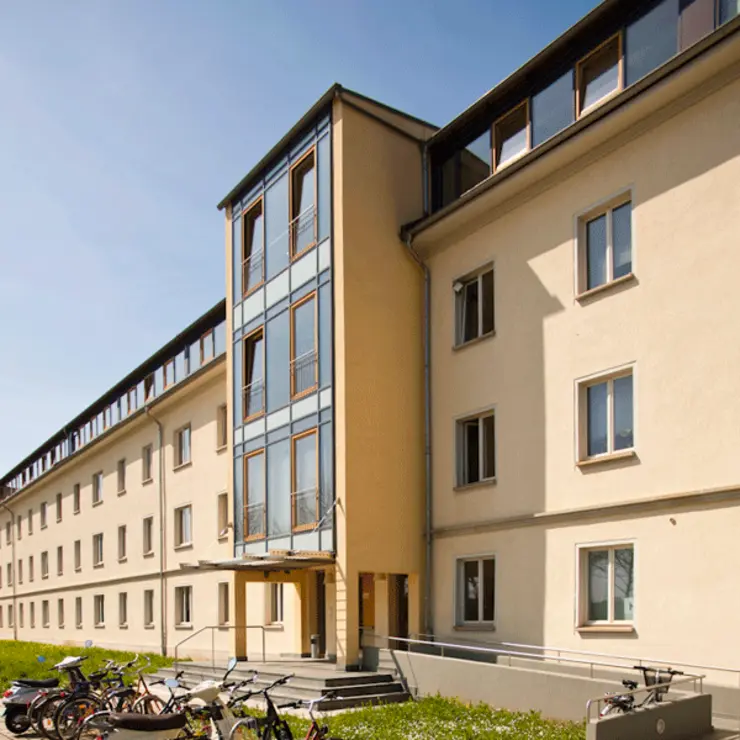
3–4 September 2026 | University of Erfurt (IBZ, Michaelisstr. 38)
For the ninth time, the Forum on the History of the Human Sciences is organising a writing workshop in collaboration with the professorship for History of Science at the University of Erfurt, the University of Lübeck and the History of Psychology Section of the German Psychological Society (DGPs). The writing workshop serves as an open-topic forum, offering a platform for exchange on all forms of ongoing projects relating to the history and theory of psychology and related fields (psychotherapy, psychiatry, anthropology, etc.). The aim is to work constructively on essays and draft chapters for book projects, doctoral theses or final dissertations, which will be further developed during the workshop through collective feedback and discussion with experienced researchers.
Keep up with all the News and Events from Erfurt's History of Science network and subscribe to our mailing list!
Registration for events in the summer semester is now open. We look forward to welcoming you to our courses!
Master of Arts
Bernhard Kleeberg: Emotions, Affects, History
Bernhard Kleeberg: Research colloquium on the history of science
Bachelor of Arts
Meike Katzek: Fundamentals of the History of Science
Bernhard Kleeberg/ Astrid Ackermann: IPS-A Migration
Bernhard Kleeberg: Social Darwinism from the 19th century to the present day
Studium Fundamentale
Bernhard Kleeberg/ Dirk Schuck: Carl Schmitt and the Left
Courses from previous semesters can be found in the archive.

![[Translate to English:] facebook icon](/fileadmin/SocialMediaIcons/iconfinder_06-facebook_white.svg)

![[Translate to English:] instagram icon](/fileadmin/SocialMediaIcons/iconfinder_38-instagram_white.svg)
![[Translate to English:] YouTube icon](/fileadmin/SocialMediaIcons/iconfinder_18-youtube_white.svg)
![[Translate to English:] xing icon](/fileadmin/SocialMediaIcons/iconfinder_xing_white.svg)

University of Erfurt (Campus)
Nordhäuser Str. 63
99089 Erfurt