
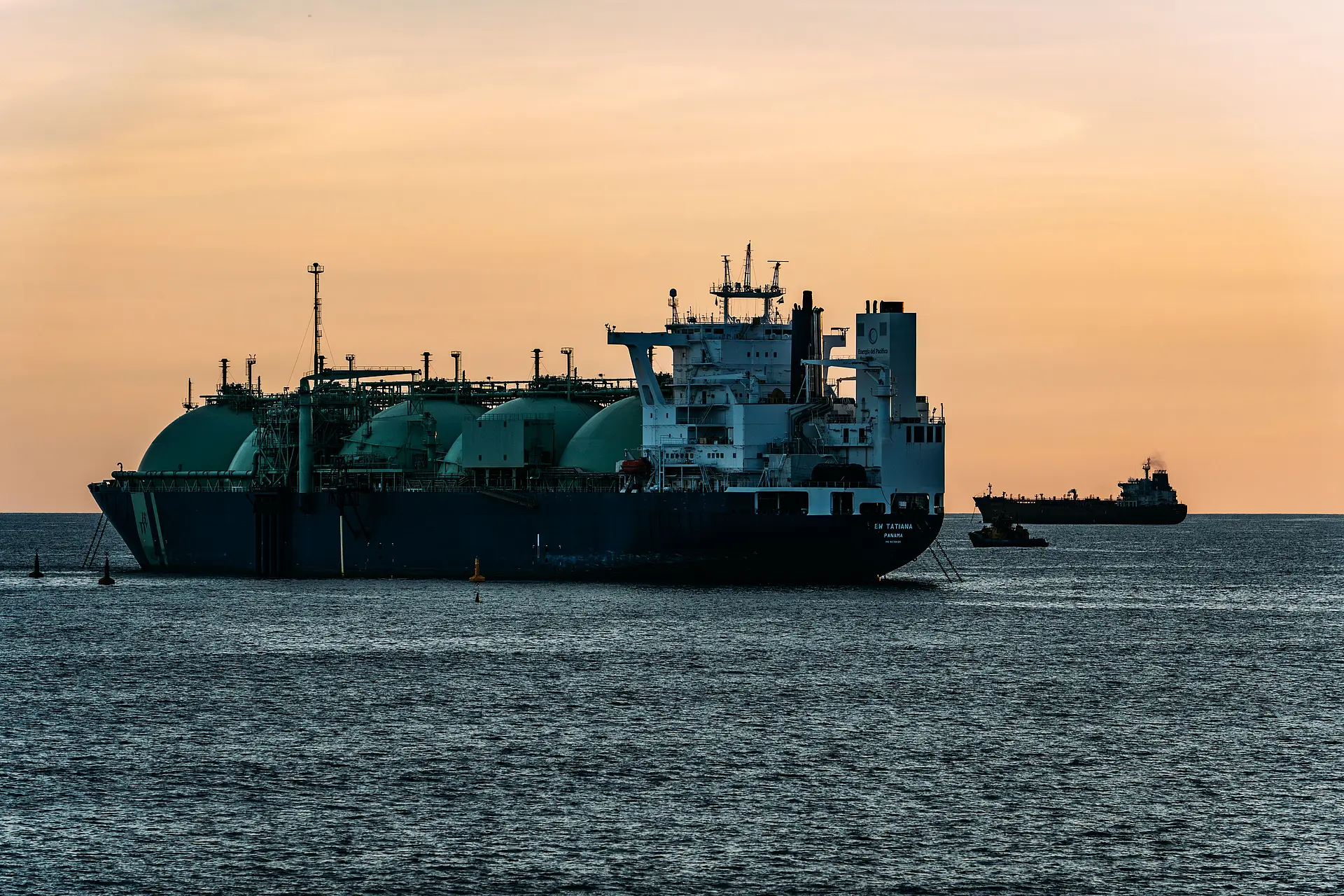
The Strait of Hormuz, which remains effectively closed, continues to create market uncertainty, as significantly less liquefied natural gas (LNG) remains globally available. In a TV interview with MDR Thüringen, Professor Goldthau explains that gas storage levels are at historically low levels, and mandated refill targets will likely not be reached by November. He warns that it would be best if nothing went wrong this winter. In his assessment Science Media Center Germany, the risks currently weighing on the supply situation are not fully reflected in the expectations of the futures markets. Goldthau describes the situation as a kind of "shock freeze" among traders. He notes that there is great uncertainty about future price trends.
In interviews with Frankfurter Allgemeine and Süddeutsche Zeitung, Professor Goldthau points to likely price spikes during the winter period. Given the tight situation, even insulated regional events may thus have an impact on the international gas market, e.g. potential disruptions thanks to hurricanes affecting U.S. LNG facilities, or a strike at Australian export terminals. As an extreme case, he tells Handelsblatt, U.S. export licenses for LNG being could be put in question, or revoked, which could reduce available supply and cause European gas prices to soar. Interruptions to Norwegian pipeline supplies would be equally detrimental.
Overall, the European gas market remains in deep uncertainty ahead of the winter. Going forward, Goldthau calls for revisiting the regulatory governance model of the German gas storage sector. As he suggests to SMC, European neighbors France and Italy may provide best practice as storage levels are significantly higher despite a similar price environment.