

Reclaiming “Peace” in a Polarized World
Today, the word “peace” can carry a surprisingly naive connotation. But in a world shaped by persistent conflict, whether in the form of the U.S.-China standoff, Russia’s war in Ukraine, or the Arab-Israeli crisis, peace education is not idealistic; it is essential. Across Europe, the rise of far-right narratives and conspiracy theories has revealed how misinformation can fuel divisions even in stable democracies. For students of the Willy Brandt School of Public Policy, peace education is not only about conflict resolution; it is about understanding the root causes of polarization and learning to engage with complexity rather than retreat into simplified narratives.
Colombia–Germany: Two Paths, One Challenge
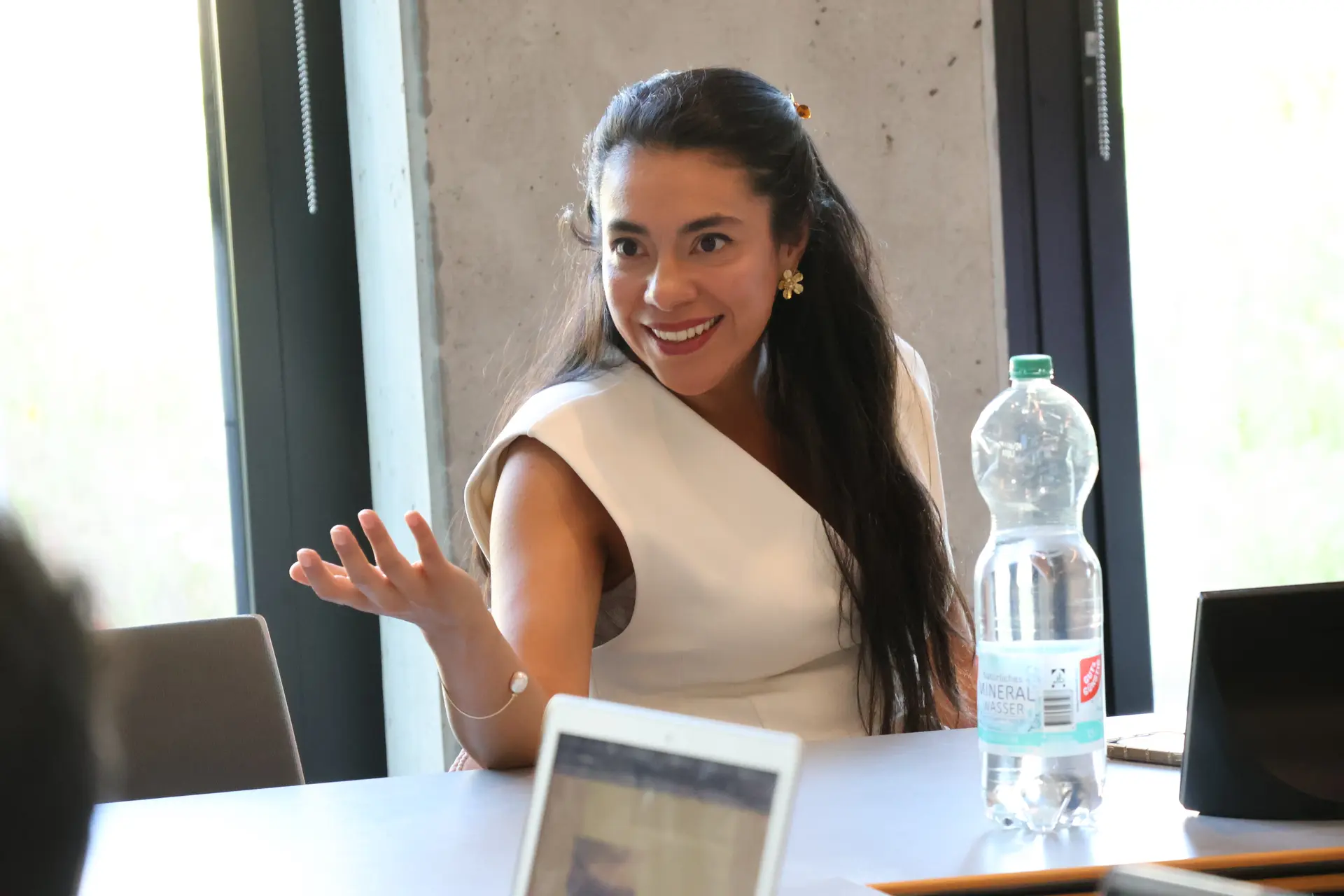
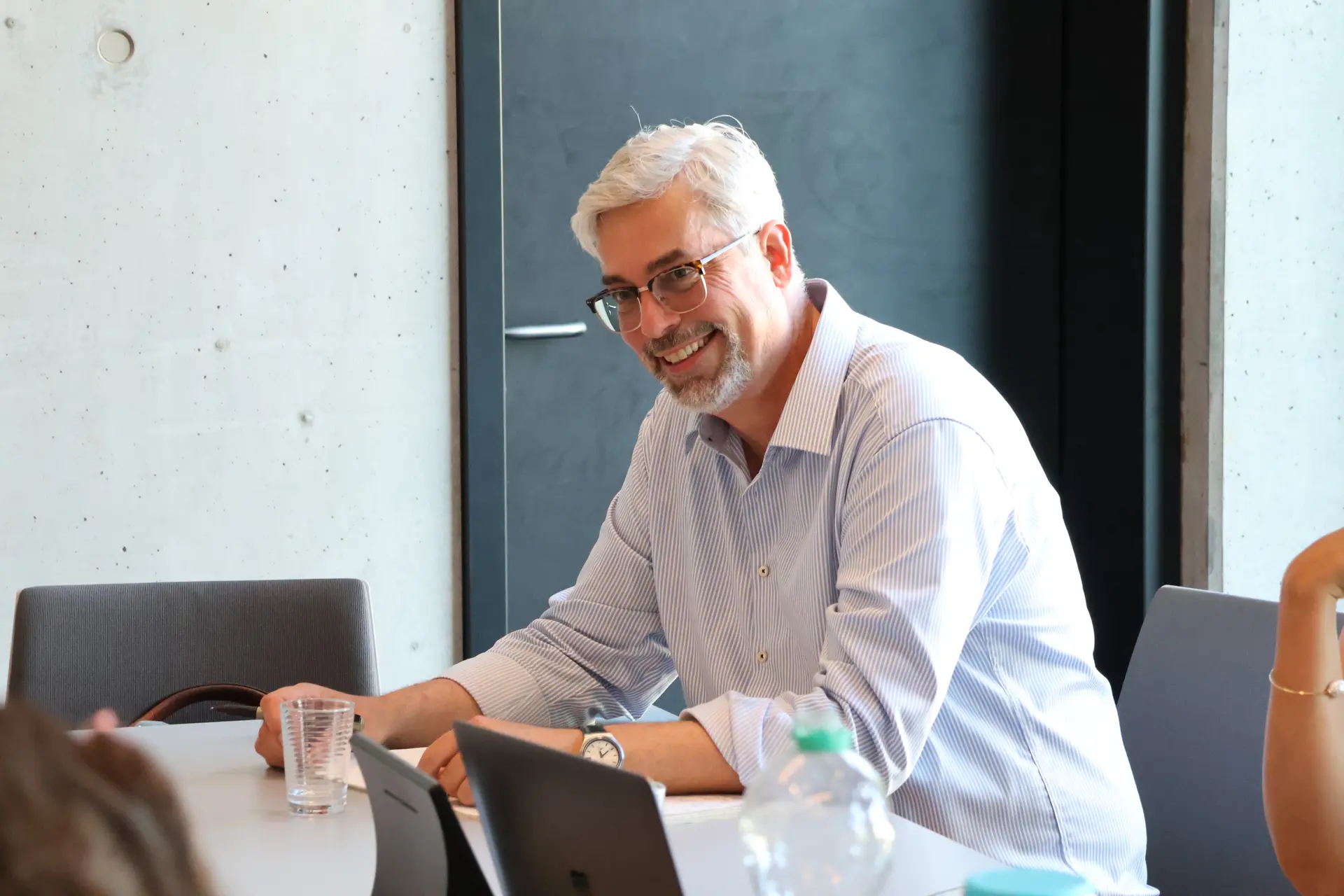
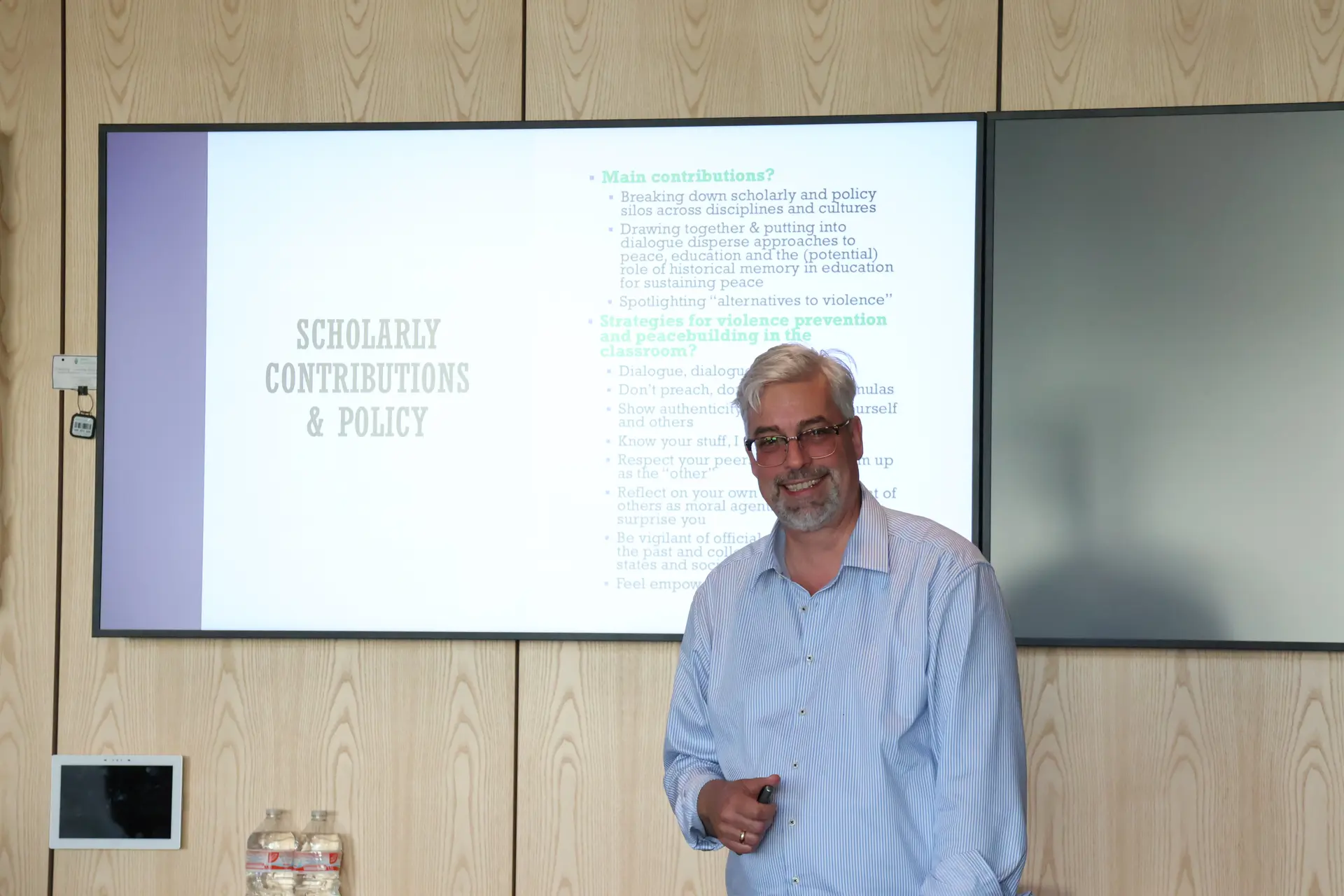
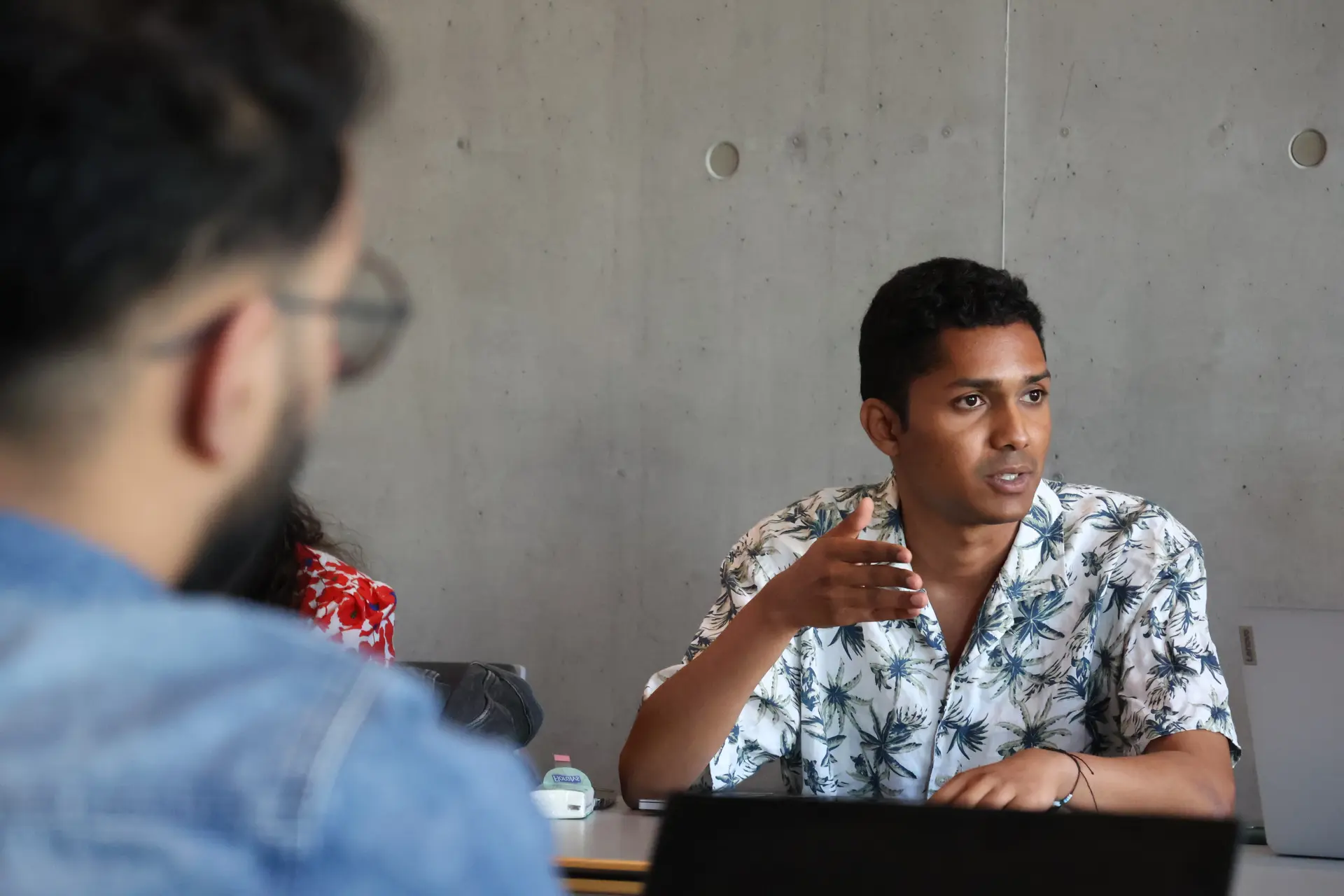
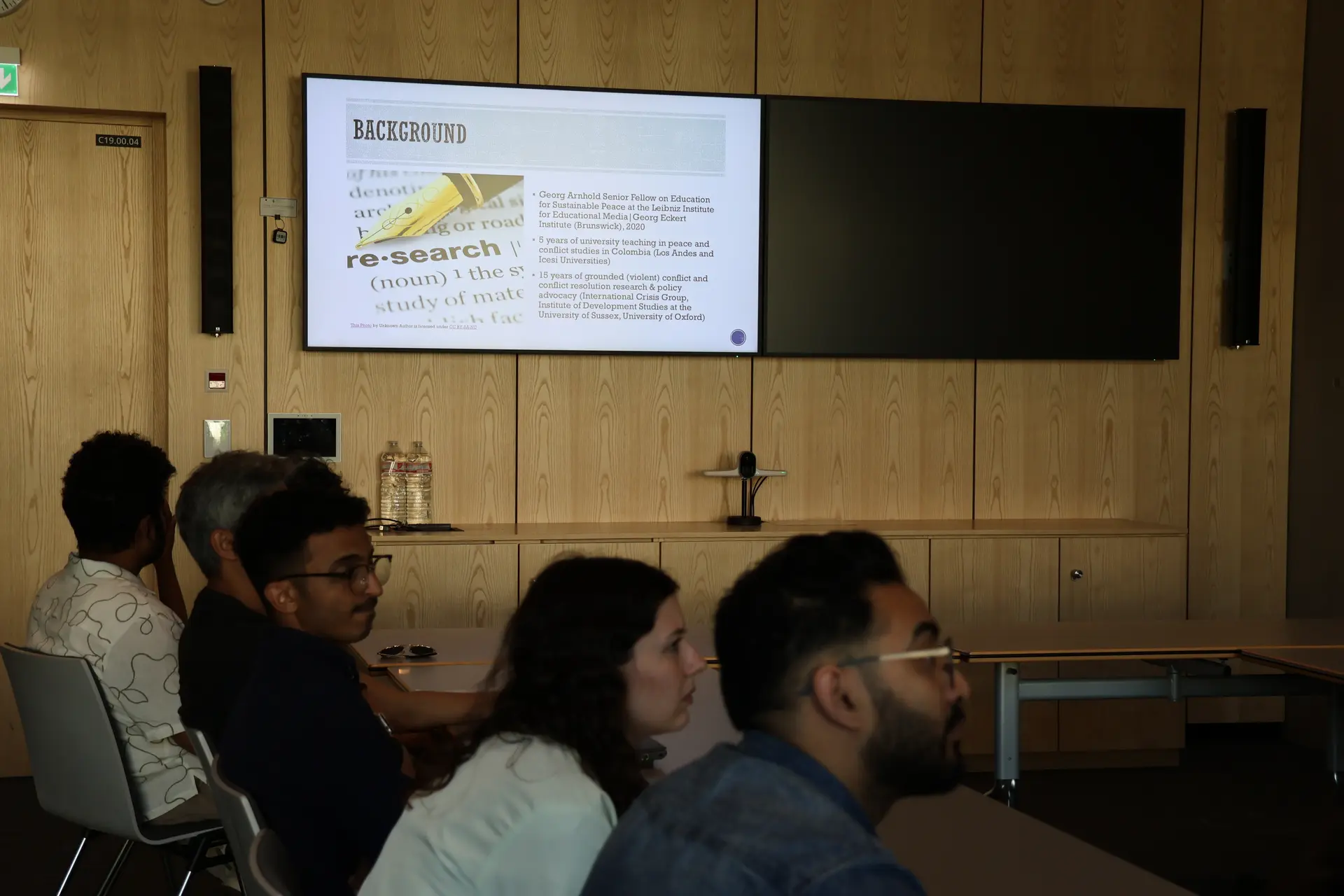
The event offered a powerful comparative perspective. Prof. Dr. Schultze-Kraft drew on his research and teaching experience in Colombia to present a framework in which historical memory becomes central to peace education. His findings, based on fieldwork with students and collaboration with Colombian security institutions, showed how acknowledging plural narratives, including the experiences of victims and the moral agency of the “other”, can offer communities a path away from violence.
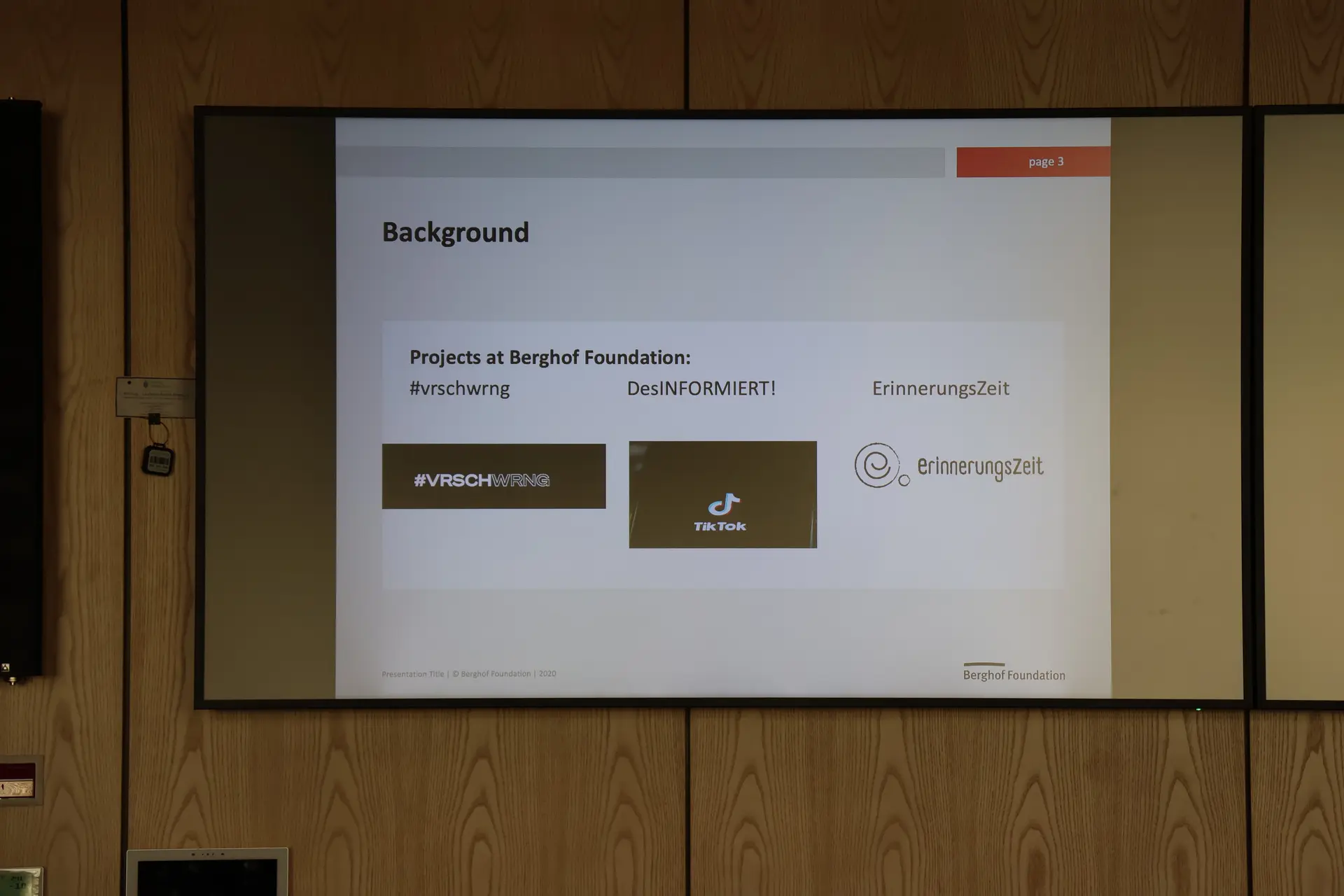
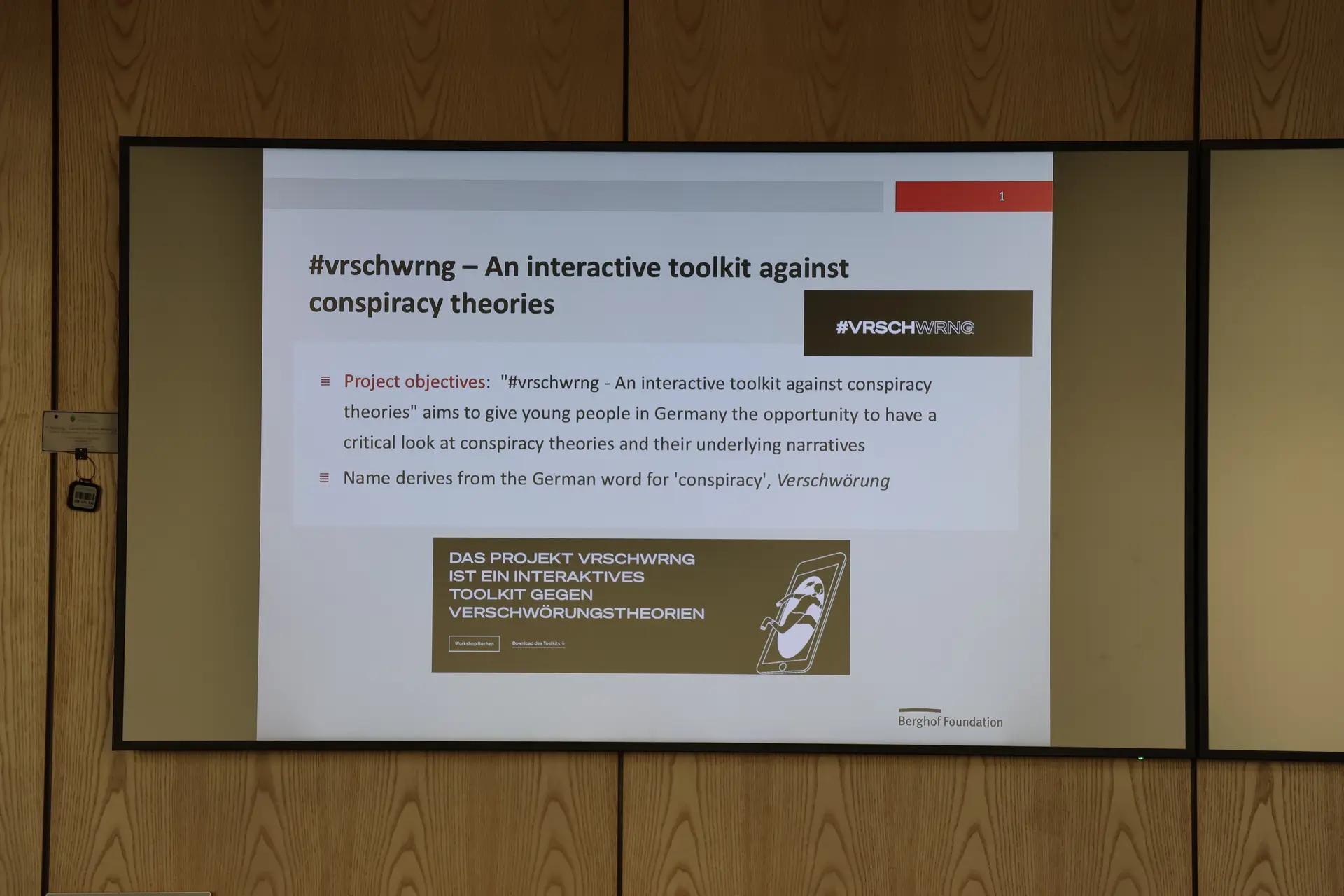
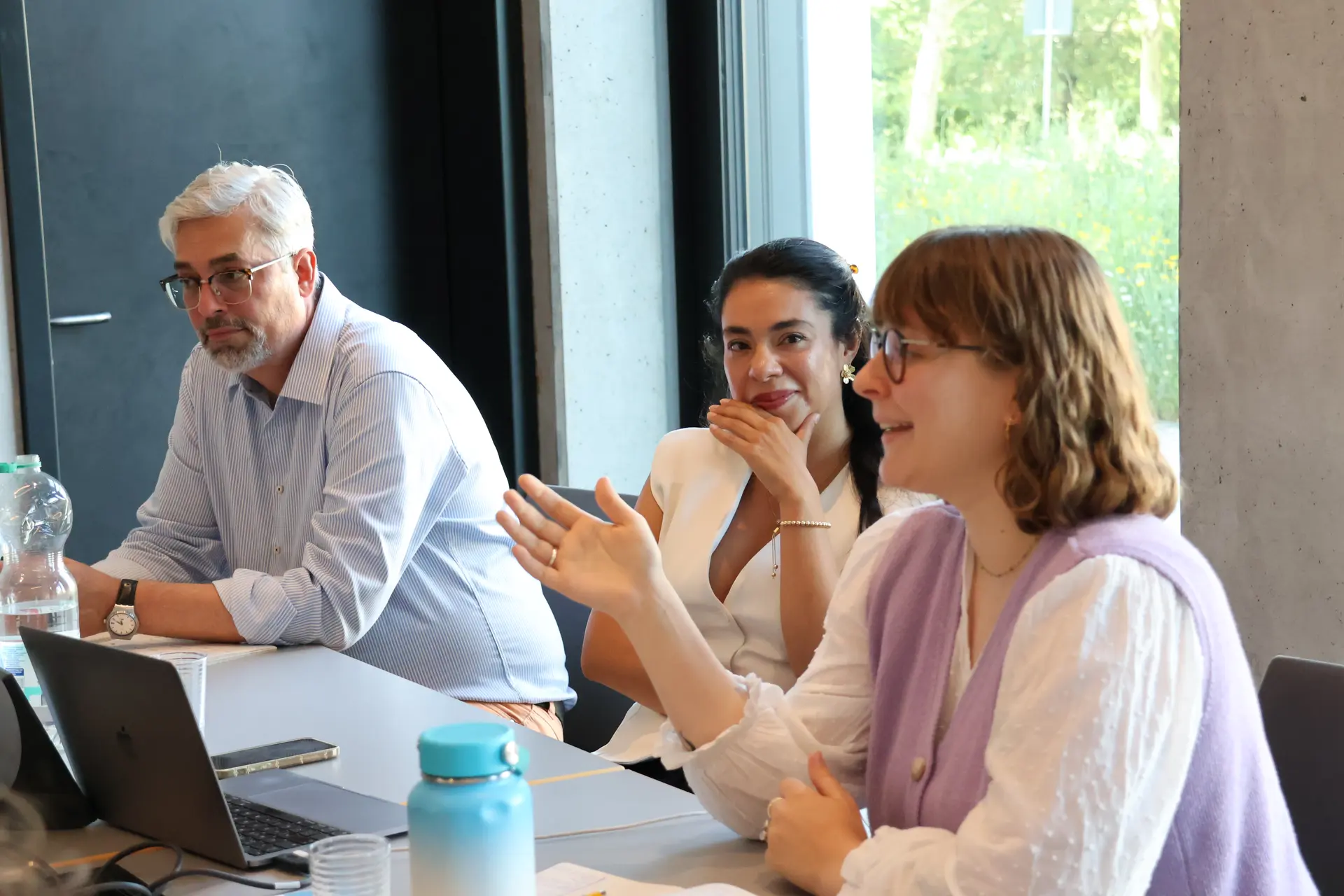
In contrast, Tessa Schindler focused on Germany’s contemporary challenge: digital misinformation. She introduced #vrschwrng, an interactive toolkit developed by the Berghof Foundation to help young people critically engage with conspiracy theories. The five-year project has reached over 3,000 youth through 130 workshops and was recently extended to include parents and teachers. The premise: building a digital culture of peace means equipping the next generation with tools to resist hate speech, disinformation, and social fragmentation.
Despite their different focal points, both speakers agreed on one thing: education is a key strategy for sustaining peace. Whether confronting a legacy of internal conflict, countering viral untruths or even fighting the rise of populist movements, schools and universities can serve as crucial spaces for dialogue, healing, and transformation.
Memory, Dialogue, and the Role of Youth
A core insight from the discussion was the need to examine whose memory is preserved critically: the state’s or that of the people most affected by the conflict. Prof. Schultze-Kraft argued that historical memory work should not reinforce dominant narratives, but rather empower communities to engage with lived experiences of pain, identity, and resistance. This helps students connect the micro (personal memory) with the macro (institutional reform), a key element in the UN’s New Agenda for Peace and the Sustainable Development Goals.
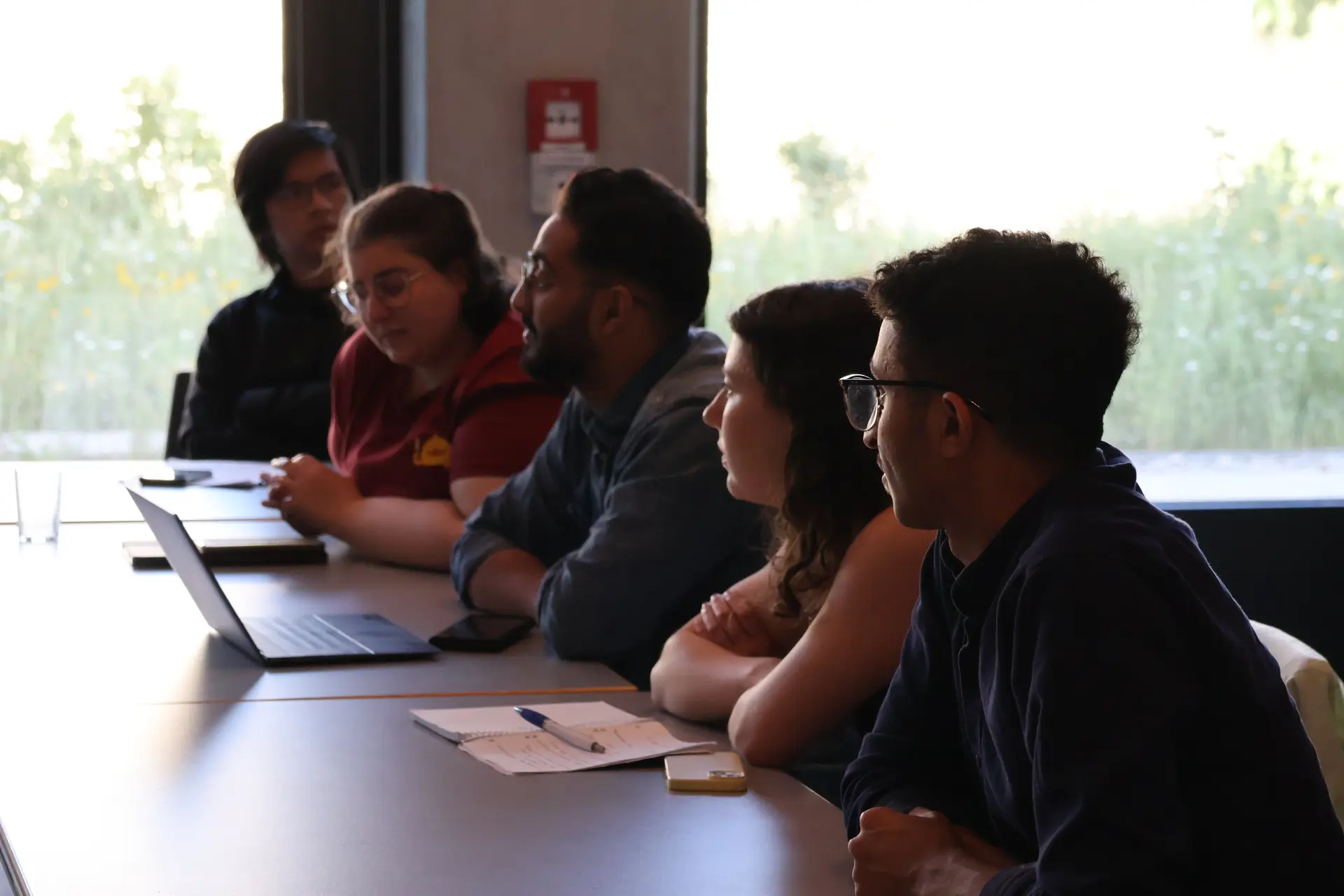
Meanwhile, Schindler emphasized the importance of youth engagement in the digital sphere. She highlighted that schools in Germany can be labeled as "peace schools," which means they are spaces that are not only inclusive or anti-bullying, but explicitly engaged in peace education. The concept sparked considerable interest among the audience, and many agreed that peacebuilding efforts should begin early and be integrated into both physical and digital classrooms.
A Final Reflection
What resonated most was the shared recognition that disinformation is no longer a fringe issue; it is central to shaping public opinion and policy. In times of crisis, misinformation spreads faster than facts, making it harder to build consensus and easier to incite fear. If peacebuilding is to succeed in the 21st century, it must be fact-based, plural, and resilient.
The Brandt School thanks both speakers for their contributions and hopes that this dialogue inspires further engagement across cultures, disciplines, and borders. As students prepare to shape policy in an increasingly fragmented world, spaces like this are more critical than ever.


![[Translate to English:] Facebook Icon](/fileadmin/SocialMediaIcons/iconfinder_06-facebook_104498.svg "Fakebookseite der Staatswissenschaftlichen Fakultät")
![[Translate to English:] Youtube Icon](/fileadmin/SocialMediaIcons/iconfinder_18-youtube_104482.svg)



![[Translate to English:] facebook icon](/fileadmin/SocialMediaIcons/iconfinder_06-facebook_white.svg)

![[Translate to English:] instagram icon](/fileadmin/SocialMediaIcons/iconfinder_38-instagram_white.svg)
![[Translate to English:] YouTube icon](/fileadmin/SocialMediaIcons/iconfinder_18-youtube_white.svg)
![[Translate to English:] xing icon](/fileadmin/SocialMediaIcons/iconfinder_xing_white.svg)
