

Course Details
Below you will find details and course descriptions. For modules and regulations, please consult the official course catalog on E.L.V.I.S. .
Winter Term 2025/26
Introduction to American Literary History
Introduction to American Literary History
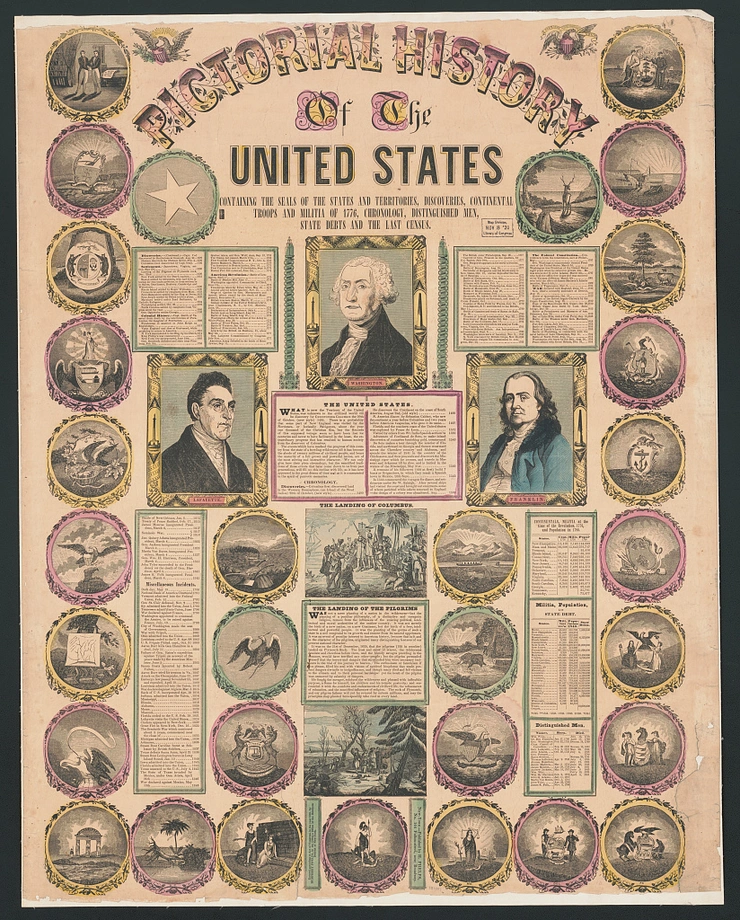
Instructor: Ilka Lensen-Saal
This course offers a survey of North American literature written in English from the period of exploration and colonialism to the antebellum period. Far from being a comprehensive survey, it spotlights a few significant texts and authors who have substantially shaped North American literature and culture. We will focus, in particular, on the various ways in which literature has participated and intervened in the various discussions over race, class, and gender that have been crucial to shaping and reshaping notions of American nationhood. One of the central questions guiding our investigation is whether these texts have produced a distinctive tradition of what we might call “American” writing and what the characteristics of this tradition might be. This is a reading intensive course, be prepared to read ca. 100 pages a week!
Witches and Witchcraft
Witches and Witchcraft
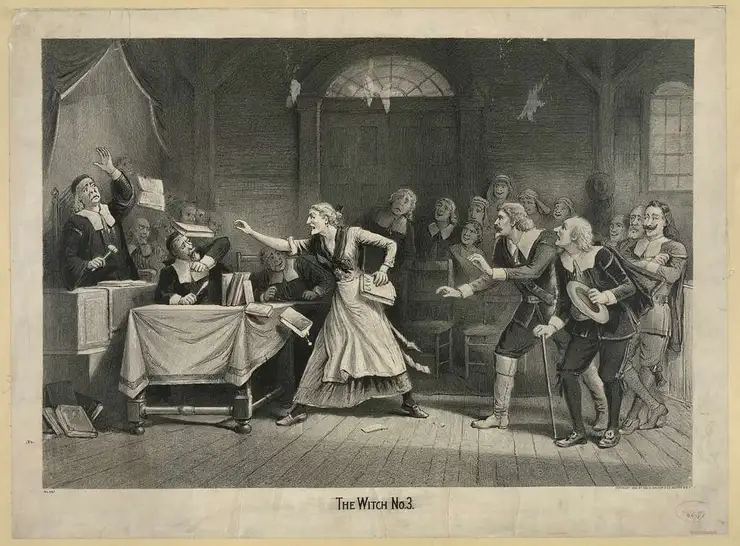
Instructor: Ilka Lensen-Saal
Witch, crone, hag, harpie, she-devil … for a long time appellations like these have been used to target people (mostly female) whose unconventional modes of being in this world and knowing of this world have confounded, challenged, and affronted their more narrow-minded neighbours. The term witch has been deployed bullet-like to mark out, contain, and obliterate what is perceived as radical Otherness – be it with regard to age, sex, race, class, marital status, or reproductive abilities. On this score, it has been instrumentalized to recalibrate personal and communal power relations, property distribution, and social bonds. Yet, in addition to fear of alterity, it has also signalled great power and agency. As an interstitial figure, the witch is situated at the threshold between the (commonly) known and unknown; it can communicate with non-human/ super-human entities and command great creative as well as destructive forces. The etymology of the German word "Hexe," in fact, signals this interstitial power: a spirit that lives in hedges and straddles fences. This course traces the evolution of the witch as an interstitial figure in the Western cultural imagination from the Romantic to the contemporary period, examining its function as literary character and trope in a number of fun texts across the last two centuries.
Possibilities of Political Theater in the Neoliberal Age
Theater in Neoliberal Age
Instructor: Ilka Lensen-Saal
"They know things are bad, but more than that, they know they can't do anything about it" – cultural critic Mark Fisher observed in 2009 with regard to the apparent political apathy of university students in the neoliberal phase of capitalism. This example, along with several others, led him to diagnose a general state of "reflexive impotence" in imagining viable alternatives to the dominant economic-political system. Fisher's assessment of the comprehensive reach of neoliberalism attests to the difficulty of asserting political agency in an economic-ideological system so adept at incorporating difference and opposition that it has arguably become immune to classic forms of political critique. Or, as Fredric Jameson and Slavoj Žižek have observed, in many ways it has become "easier to imagine the end of the world than the end of capitalism." What, then, does this mean for political theater – a genre historically conceived as a medium for resistance, critical engagement, as well as the articulation of utopian visions?
In this seminar, we will explore the landscape of contemporary U.S. American drama and theater in relation to this overarching question. How does it articulate political critique? What alternatives does it envision? In what ways is it complicit with neoliberal ideology and in what ways does it resist cooptation? Or put more succinctly: How can theater still be relevant to social change?
In addition to reading a diverse body of contemporary plays, we will also briefly trace the evolution of system-critical American drama from the mid-20th century to the present in order to contextualize contemporary works within a longer trajectory of theatrical resistance and to examine how strategies of political engagement have shifted in response to changing ideological, economic, and cultural conditions. Moreover, we will engage with a selection of critical approaches to neoliberalism and consider various conceptions of the political, particularly as they relate to contemporary theater praxis.
Readings may include plays by Arthur Miller, Death of a Salesman (1949), David Mamet, Glengarry Glenn Ross (1983), Branden Jacobs-Jenkins, Gloria (2015), Stephen Karam, The Humans (2016), Annie Baker, The Flick (2013), Martyna Majok The Cost of Living (2016), Yvette Nolan, The Unplugging (2013), Dave Harris, Tambo & Bones (2022) – as well as excerpts from theoretical works by Mark Fisher, Wendy Brown, Mitchum Huehls, Jen Harvey, and Florian Malzacher.
Climate Change Theatre Action (StuFu)
Climate Change Theatre Action (StuFu)
Instructors: Ilka Lensen-Saal, Verena Laschinger
In this hands-on workshop, students are asked to take collaborative action in the fight against climate change. Chiming in with numerous international events for our planet’s environmental future, our initiative articulates the urgent need for a climate conscious cultural movement within and beyond the academy. More specifically, we will join the Climate Change Theatre Action series of readings and performances of five-minute plays that is scheduled to take place around the globe between September 19 and December 20, 2025. The participatory project offers an opportunity to rally your creative energies on behalf of raising public awareness of one of today’s biggest challenges: saving our planet. This is a hands-on workshop. Be prepared to actively participate in the conceptualization, preparation, and performance of climate change theatre action. For more information, see https://www.climatechangetheatreaction.com
Introduction to Literary Studies

Introduction to Literary Studies
Instructor: Verena Laschinger
This lecture series is designed as a basic introduction to literary studies, with a particular focus on literatures in English. It aims to introduce you to key concepts, analytical terms and methods as well as to a number of theoretical approaches that are relevant to the field. You will be introduced to a set of tools for critical analysis and close examination of selected texts from the main literary genres poetry, prose, and drama as well as other media such as photography, film and television. Examples will be chosen from various periods to sketch important developments of literary studies.
Things
Things
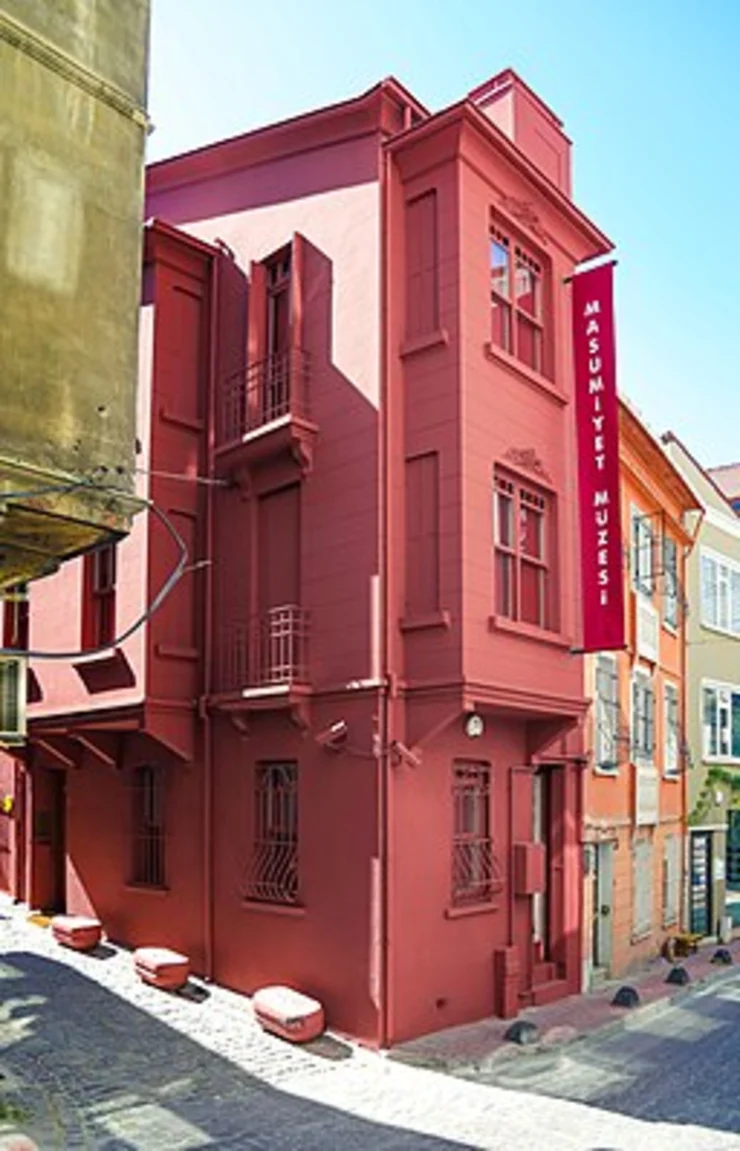
Instructor: Verena Laschinger
This seminar investigates how things facilitate narrative—how stories are drawn from material objects, as Susan Stewart provocatively asks. Beginning in the late nineteenth century, we will examine how the ideology of things shapes literary realism, where objects and props are embedded in the very fabric of imaginative worlds (Begley). Alongside fiction, we will analyze historical records of colonial exploration and archaeological excavation, exploring how material objects were looted, catalogued, and circulated, often in ways that continue to inform today's debates about restitution, appropriation, and cultural heritage (Sarr and Savoy). These texts document not only the plunder of the colonial era but also the production of knowledge systems—archival, academic, and museological—in which we remain implicated. The course will also introduce students to critical distinctions between gifts, things, and commodities (Appadurai), as well as to key theoretical texts on collecting (Benjamin), curatorial practices, and the politics of display. From the personal album (Kramer and Pelz) to institutional spaces like the museum and the archive (Azoulay), we will explore how objects are framed, made meaningful, and narratively charged across cultural and historical contexts. By drawing on literature, theory, and material culture studies, students will develop an understanding of how objects shape—and are shaped by—narratives of power, identity, and historical memory.
Book Burning - Banning Books (StuFu)
Book Burning - Banning Books

Instructor: Sabine Schmolinsky and Verena Laschinger
On May 10, 1933, books burned in public squares across Germany. Works by renowned authors such as Bertha von Suttner, Erich Kästner, and Sigmund Freud were publicly incinerated by the National Socialists — a symbolic authoritarian attack on freedom of thought, diversity, and art. This seminar examines the historical background and consequences of the 1933 book burnings as an act of state censorship and ideological conformity. Yet the topic has an alarming relevance today: In recent years, censorship of literary works in the United States has increased significantly. Books addressing racism, gender, queer identity, or critical perspectives on history are increasingly targeted by conservative movements and school boards. Here too, we see how the freedom of literature is once again politically contested. This seminar invites participants to explore both of these contexts: How has (and does) literature become a battleground for political and social power struggles? What do lists of banned books reveal about a society, political players, governments? And what can we learn from history for our present moment? Seminar Objectives: • Analyze the 1933 book burnings in their historical context • Explore current censorship practices in the United States • Discuss literary freedom, democratic values, and social responsibility • Reflect on the role of literature as a space of resistance
Climate Fi/action
Climate Fi/action
Instructor: Verena Laschinger
On June 1, 2017, then–U.S. President Donald Trump announced the withdrawal of the United States from the Paris Agreement—a landmark accord designed to unite nations in combating climate change. As French sociologist Bruno Latour noted, this move marked not only a political rupture but a deeper disruption of "the way in which the link between politics and nature used to be organized," revealing—however bleakly—that the "new conservative revolution" is responding to Earth system transformation in the worst possible way (Anthropocene Lecture, HKW Berlin). Since then, the climate crisis has escalated both in urgency and visibility. In 2018, the IPCC's Special Report on Global Warming of 1.5°C underscored the narrow window left to avoid irreversible damage. The global climate strike movement, catalyzed by Greta Thunberg in 2018, mobilized millions of youth around the world. In 2021, the U.S. formally rejoined the Paris Agreement under President Biden, signaling a renewed (though contested) commitment to international cooperation. That same year, COP26 in Glasgow brought new pledges but also deepened frustrations over unmet goals and global inequities. More recently, 2023 marked the hottest year ever recorded, with extreme weather events—from wildfires to floods—becoming the new normal and raising urgent questions about climate justice, adaptation, and resilience. Taking climate change as an established and accelerating reality, this American Studies seminar introduces students to influential scientific, political, journalistic, and literary voices in the climate discourse. We will engage with foundational theoretical texts, debate conflicting political ideologies, and explore the aesthetic responses of contemporary artists and writers grappling with the possibility—and implications—of the end of the Earth as we know it.
Poetry & Poetics
Poetry & Poetics
Instructors: Verena Laschinger
This undergraduate course offers an exploration of poetry as both an artistic practice and a cultural form. Students will study a range of poetic traditions, movements, and styles—from classical to contemporary, global to local—while engaging with key concepts in poetics, such as voice, form, rhythm, imagery, and metaphor, etc. The course will examine how poets use language to shape meaning, evoke emotion, and challenge conventions, as well as how poetry reflects and resists historical, political, and personal contexts. Through close reading, discussion, and analytical writing, students will gain the tools to interpret poems. Additionally, the course will introduce foundational theoretical texts in poetics to help students think critically about what poetry is, what it does, and why it matters. No prior experience with poetry is required—only a willingness to read attentively, think deeply, and engage creatively with language.
Im/possible Futures: SF’s Dystopia and Utopia
Im/possible Futures: Sci-Fi’s Dystopia and Utopia
Instructor: Linda Meinhardt
Not too long ago, in the mid-twentieth century, American science fiction often sat on the margins of literary culture. You might have walked into a corner shop and found SF tucked away in the pulps, dismissed by critics as little more than “escapist literature.” In the decades since, however, writers have pushed back against such dismissal, and the genre has asserted itself as a powerful means of contesting dominant narratives of human development and futurity. After all, “science fiction is not about the future; it uses the future as a narrative convention to present significant distortions of the present” (Samuel R. Delany).
Through defamiliarization, SF compels us to see our world—and ourselves—through alien eyes. In this sense, Philip K. Dick’s “Autofac,” with its self-perpetuating machines, can be read as reflecting anxieties about runaway technology and consumer culture. Octavia Butler’s “Amnesty” may be less about aliens than about histories of colonization and forced assimilation. And Margaret Atwood’s The Handmaid’s Tale might suggest that dystopia is not a distant possibility but a mirror held up to patriarchal structures already embedded in society.
Building on these and other key works, this course traces the evolution of American SF across different periods. Our readings will include short stories, novel excerpts, and screenplays ranging from well-known “classics” to works by writers whose voices have often been pushed to the margins of the genre. By the end, the course provides a broad understanding of the major phases of American SF and critical tools for its analysis.
Futurescapes: Science Fiction and the Politics of Tomorrow
Futurescapes: Science Fiction and the Politics of Tomorrow

Instructor: Linda Meinhardt
“So do you really believe that in the future we’re going to have the kind of trouble you write about in your books?” science fiction author Octavia E. Butler was once asked. Her response: she wrote about such futures because they compel people to confront the problems they refuse to acknowledge—problems that, left unchecked, may grow into full-fledged disasters (Butler, “A Few Rules for Predicting the Future”). The futurescapes imagined by Butler and many other science fiction writers are often grounded in the crises of their time, creating spaces to critically engage with political, social, environmental, and other urgent concerns.
In this course, we will explore how works of science fiction construct futures as sites of conflict and possibility. Our readings will not just ask what kinds of futures are imagined, but why, by whom, and for whom. Therefore, we will consider a range of speculative works, beginning with Octavia Butler’s Dawn, which interrogates human domination, power struggles, and the ethics of coexistence; followed by the biotech apocalypse of Margaret Atwood’s Oryx and Crake; the satirical dismantling of racial capitalism in Dave Harris’s play Tambo and Bones; Indigenous futurisms in Madeleine Thien’s Buffalo Is the New Buffalo; and the postcolonial visions in the anthology So Long Been Dreaming.
Alongside these primary texts, we will engage with a range of critical frameworks—including postcolonial theory, ecocriticism, and science fiction studies—in order to develop the analytical tools necessary to approach works of SF. By the end of the course, students will have engaged with a diverse body of speculative fiction and critically examined how SF functions as a mode of resistance.
Writing the Body in Contemporary American Literature
Writing the Body in Contemporary American Literature
Instructor: Emma Charlotte Weiher
Summer Term 2025
Early American Detectives
Early American Detectives
Instructor: Ilka Lensen-Saal
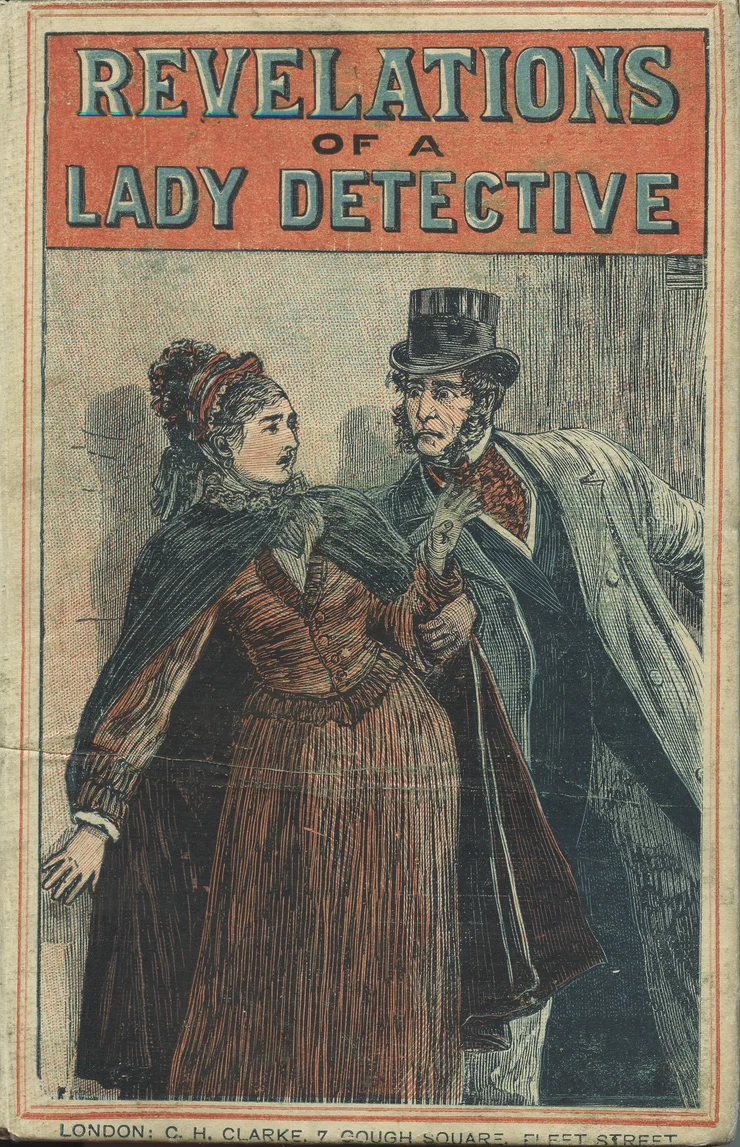
In this introductory seminar to literature, we focus on the genre of detective fiction. We will examine its constitutive narratological features and trace its evolution from its early beginnings in the mid-19thcentury to its first flourishing at the turn of the century and its immense popularity in the interwar period of the early 20th century. While the genre has frequently been seen as the domain of male writers, we will pay particular attention to how female writers have skillfully used and manipulated its conventions to critique dominant, patriarchal structures.
American Melodrama
American Melodrama
Instructor: Ilka Lensen-Saal
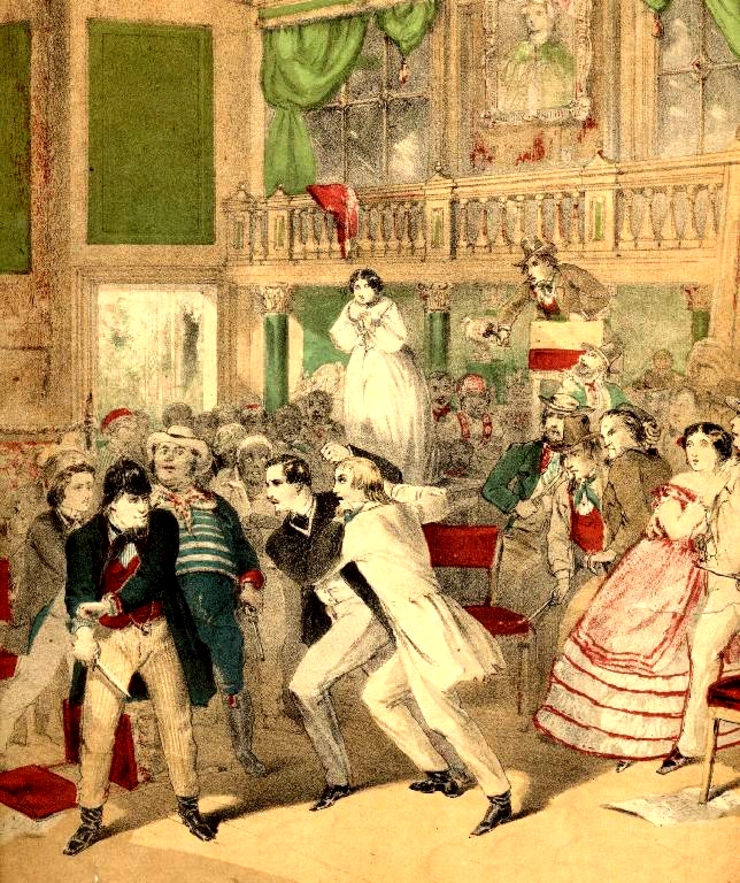
Melodrama posits a challenging nexus of poetics & politics for scholars of literary and cultural studies. On the one hand, highly formulaic genre conventions and a blunt, Manichean worldview suggest an inherent conservatism, which has allowed the genre to be readily absorbed by the dominant culture industry, particularly by Hollywood. Its complicity with the dominant ideology can hardly be denied. On the other hand, critics have repeatedly pointed to the genre's penchant for excess and affect in plot, characterization, and mise-en-scène—all of them suggesting a vivacious impulse towards the hyperbolic that persistently transcends and subverts the very conventions and ideologies containing the genre. What emerges then is a genre full of contradictions and, in the words of Thomas Elsaesser, "radical ambiguities." The investigation of such contradictions and ambiguities is at the heart of our seminar discussion. Moreover, since as Daniel Gerould has pointed out, melodrama and the United States came into being virtually at the same time and for the same reasons (the democratic revolution in thought and feeling), we will pay particular attention to the various uses the genre has been put to in US American culture in terms of negotiating issues of race, class, gender, and nationhood. Our investigation will encompass different periods and media, ranging from early American drama to the realist novella to classic Hollywood film.
Werewolves, Vampires, and Other Suspects
Werewolves, Vampires, and Other Suspects
Instructor: Ilka Lensen-Saal
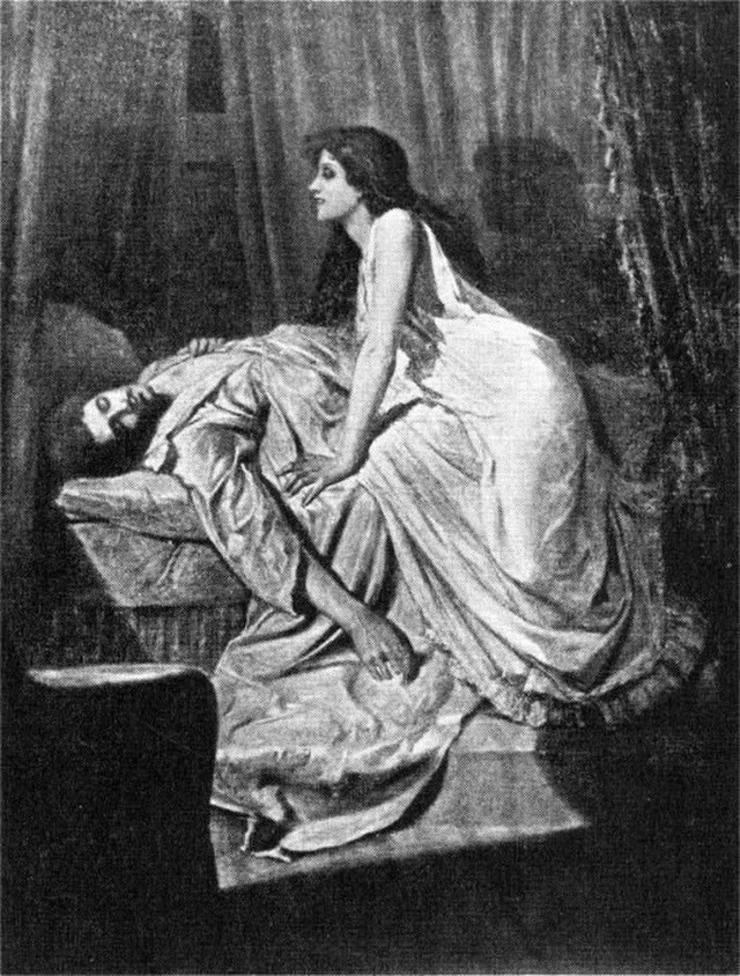
This seminar explores literature's fascination with vampires, werewolves, and other supernatural creatures closely aligned with the figure of the human. As liminal figures vampires, werewolves, revenants and similar creatures thematize and destabilize the boundary between the human and non-human, life and death, past and present, the plausible and the marvelous in highly transgressive acts. This course therefore asks about the cultural and textual function of such figures of liminality. In what ways do they trouble normative notions of knowing and being in the world? What kind of concepts of self and other do they enable? What do they reveal about the relationship of the human to the non-human or more-than-human?
Beep Boop: Rebooting the Human
Beep Boop: Rebooting the Human
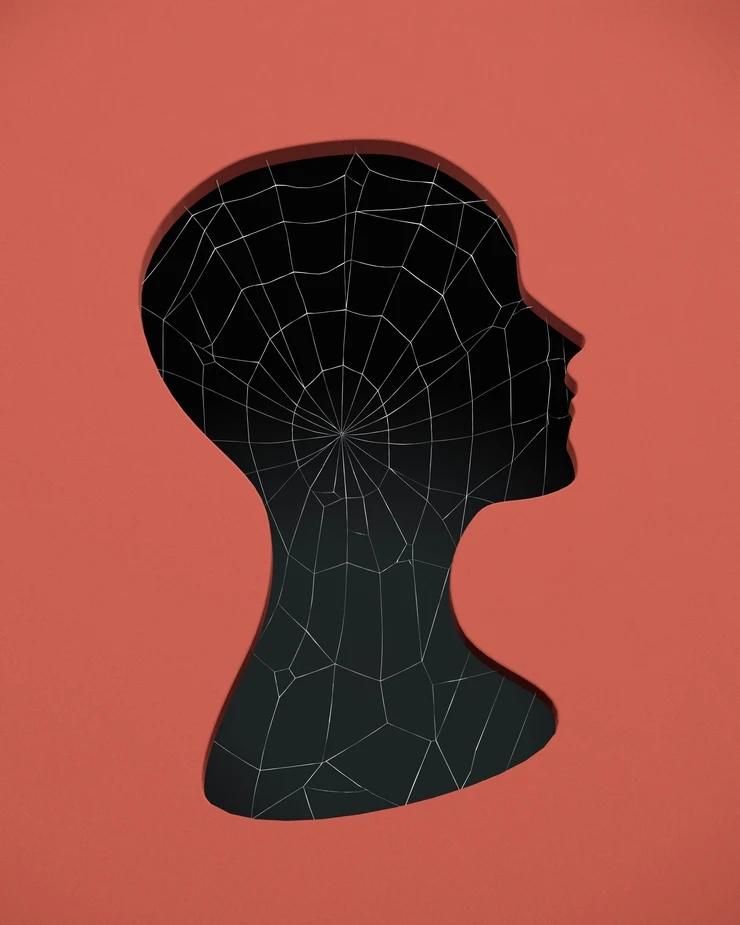
“Beep. Boop. What does it mean to be human?”
With rapid technological advancements, accelerating ecological crises, and the mounting instability of global capitalist economies, we find ourselves in an era of sweeping transformation—one that demands a fundamental reboot in the way we live, think, and adapt. In this shifting landscape, ‘being human’ can no longer be confined to a rigid definition; instead, it appears to be fluid and constantly in motion, carried by the currents of change. Such a paradigm is reflected in the notion of the posthuman—not just as a theoretical framework, but as a way of understanding a world where bodies merge with machines, nature resists human control, and intelligence is no longer exclusive to one species. The posthuman perspective invites us to unsettle traditional ideas of identity, agency, and existence, forcing us to rethink what it means ‘to be human’ in an era of rapid transformation.
Literature has long been a space for exploring these shifting boundaries. From reimagined ecologies to cyborg bodies and AI consciousness, literary works have a history of challenging conventional notions of the human. Beep Boop: Rebooting Humanity examines these perspectives through the lens of posthuman theory, engaging with texts from both Western and non-Western traditions. This seminar will explore how authors such as Octavia E. Butler, Philip K. Dick, and Cherie Dimaline interrogate the boundaries between human and non-human existence—mirroring the concerns of posthuman theorists like Rosi Braidotti. By analyzing these intersections, we will uncover how literature reflects, critiques, and reshapes our understanding of ‘being human’ in an age of accelerating transformation.
City Poems
City Poems
Instructor: Verena Laschinger
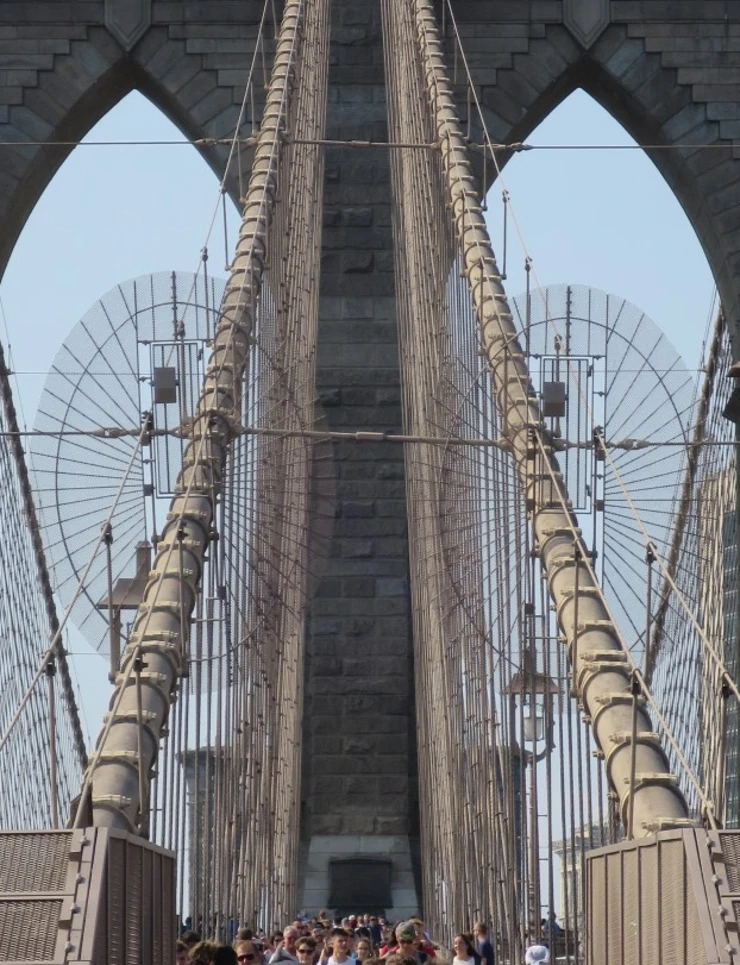
The city figures prominently in American poetry as a symbol of the nation's exceptionalism and progress as well as of its harrowing political, cultural and social conflicts. To gain a first understanding of poetry's negotiation of developments in city planning, activism, and urban theory, students will be introduced to Walt Whitman's classic "Mannahatta" (1860) and Hart Crane's modernist masterpiece The Bridge (1930). Yet, given that in North America the word “urban” eventually came to signify “Black”, we will focus specifically on poetic evocations of race and racialization e.g. by writers of the Harlem Renaissance.
Family Photography
Family Photography

Instructor: Verena Laschinger
In this seminar, we are going to read and discuss foundational works by critics of family photography, including Roland Barthes, Pierre Bourdieu, Marianne Hirsch, and Deborah Willis. These scholars have offered theoretical terms for investigating family photographs, respectively, as affective punctum; middlebrow art; conduit for postmemory; means of African-American self-representation. Furthermore, we are going to read literary texts which employ family photographs.
Endings
Endings
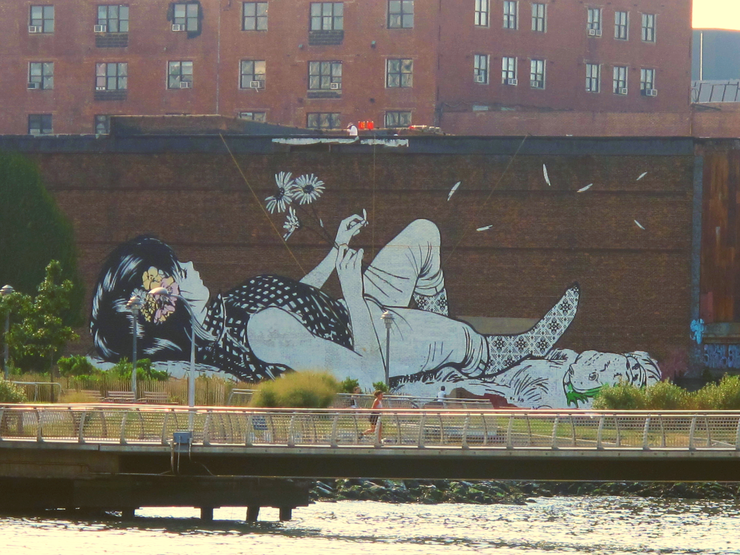
Instructor: Verena Laschinger
In this seminar we investigate the issue of literary closure, reading critical works on form as well as primary texts of various genres which either accomplish or deliberately forego in any significant way what Barbara Herrnstein Smith has called the “effect of finality, resolution, and stability”.
American War
American War
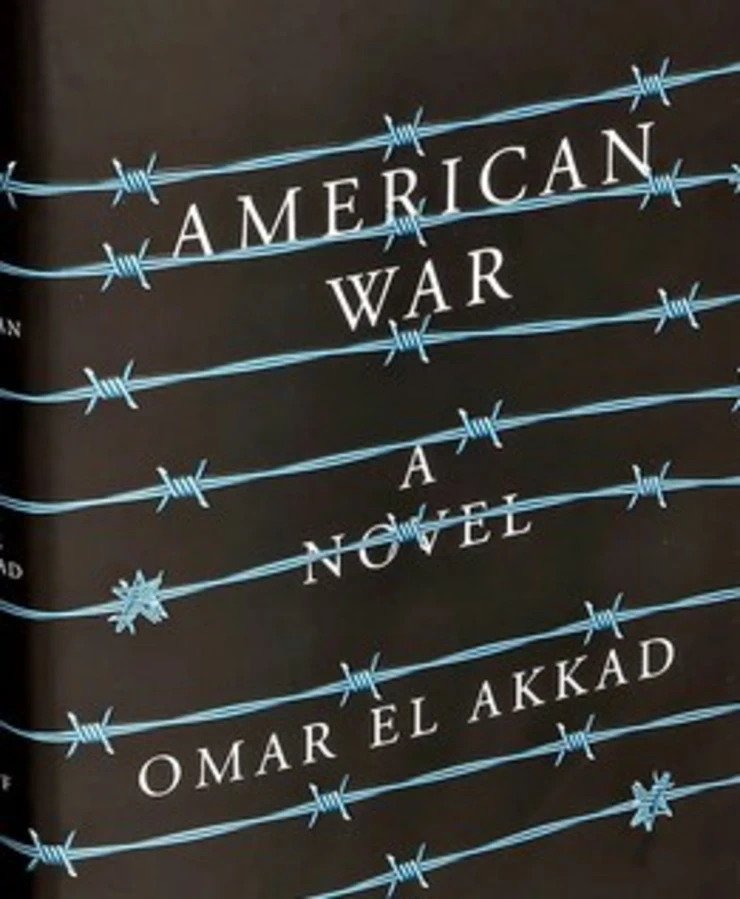
Instructor: Verena Laschinger
In this seminar, we will closely read Omar El Akkad’s debut novel American War, investigating how its depiction of the (imaginary) second American Civil War (2074-2095) reflects contemporary political tensions in the post-truth, Trump-era USA. How does the novel subvert or reinforce traditional dystopian storytelling? How does climate change function as both a backdrop and a catalyst for the events in the text which include refugee experience, displacement, radicalization and terrorism? Furthermore, we will survey the critical work that has been done on the novel since its publication in 2017 as well as reviews and media reports. Please get your own copy of the text. Ideally, you have already read the novel at least once before the semester begins.
Literaturwissenschaftliches Kolloquium für BA-Abschlussarbeiten
Literaturwissenschaftliches Kolloquium für BA-Abschlussarbeiten
Instructors: Ilka Lensen-Saal and Verena Laschinger
This colloquy is designed to guide you through the research and writing process of your final BA thesis. Our program is open and flexible; the main goal is to assist you in formulating and shaping your thesis. To do so, we will go over basic tools and methods in academic research and writing, then assist you in formulating an effective thesis statement and in outlining the logical steps of your argument. Throughout the process, you are expected to present your work-in-progress at various stages of development to the participants in the colloquy as well as to provide critical feedback to your peers’ work.
Winter Term 2024/25
Introduction to Literary Studies

Introduction to Literary Studies
Instructor: Verena Laschinger
This lecture series is designed as a basic introduction to literary studies, with a particular focus on literatures in English. It aims to introduce you to key concepts, analytical terms and methods as well as to a number of theoretical approaches that are relevant to the field. You will be introduced to a set of tools for critical analysis and close examination of selected texts from the main literary genres poetry, prose, and drama as well as other media such as photography, film and television. Examples will be chosen from various periods to sketch important developments of literary studies.
Introduction to American Literary History
Introduction to American Literary History
Instructor: Ilka Lensen-Saal
This course offers a survey of North American literature written in English from the period of exploration and colonialism to the antebellum period. Far from being a comprehensive survey, it spotlights a few significant texts and authors who have substantially shaped North American literature and culture. We will focus, in particular, on the various ways in which literature has participated and intervened in the various discussions over race, class, and gender that have been crucial to shaping and reshaping notions of American nationhood. One of the central questions guiding our investigation is whether these texts have produced a distinctive tradition of what we might call “American” writing and what the characteristics of this tradition might be. This is a reading intensive course, be prepared to read ca. 100 pages a week!
American Gothic Fiction
American Gothic Fiction
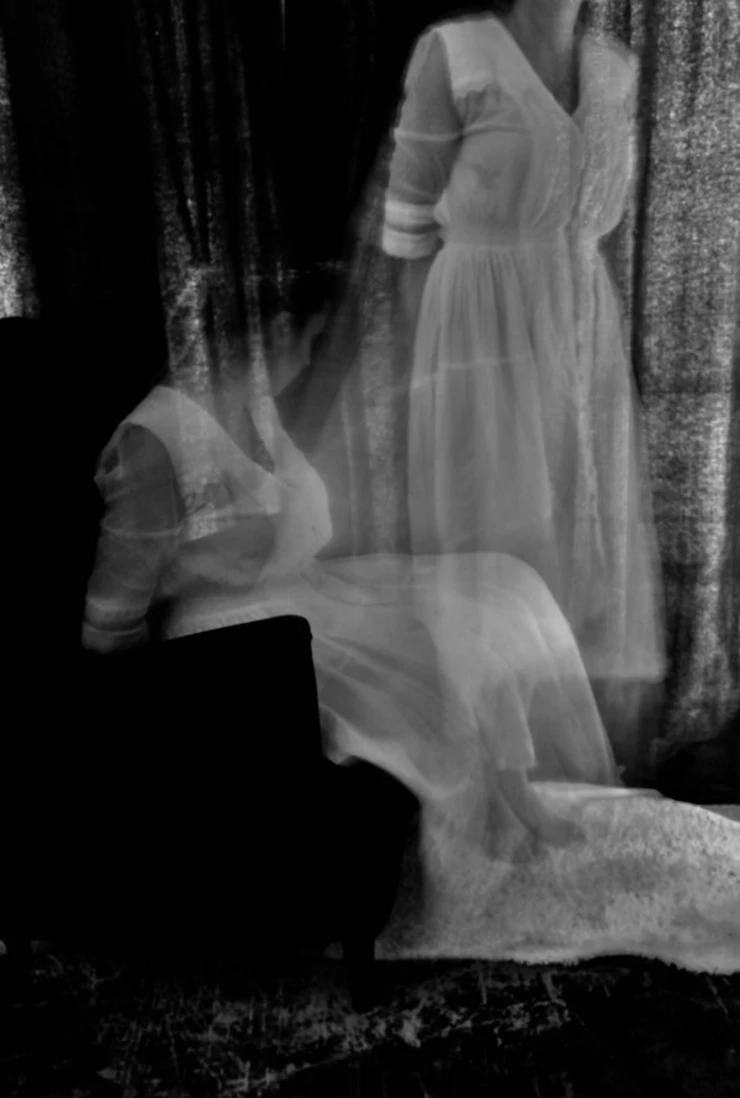
Instructor: Ilka Lensen-Saal
The Gothic mode of writing emerged in American literature in the late 18th century concurrent with American nationhood. Drawing on Enlightenment principles of reason, freedom, and equality, the new nation proudly proclaimed in 1776 that “all men are created equal,” even as it would go on to consolidate chattel slavery, pursue the displacement and genocide of indigenous people, and keep women, people of color, and poor people disenfranchised. Not surprisingly, for this new nation “certain special guilts awaited projection in the Gothic form” (Fiedler 43). Indeed, ever since the turn of the 19th century American writers have persistently turned to the Gothic to chart the dark side of the nation’s self-understanding: its flight from the past, its foundational violence and repressed encounters with Otherness. Scholar Eric Savoy suggests that indeed the “entire tradition of American Gothic can be conceptualized as the attempt to invoke … the specter of Otherness that haunts the house of the national narrative” (Savoy 13-14). In this seminar, we will study how American writers throughout the long 19th century have deployed the Gothic as a way to evoke and manage the specters of Otherness and to give voice to culture-specific anxieties and repressed desires. We will familiarize ourselves with the various formal features and narrative conventions that constitute the Gothic tradition and examine how they have been used to thematize and chart the intertwined dynamics of progress and repression, innocence and guilt, authority and transgression, dream and nightmare, self and Other that undergird American nation building in the long 19th century.
American Travel Literature
American Travel Literature
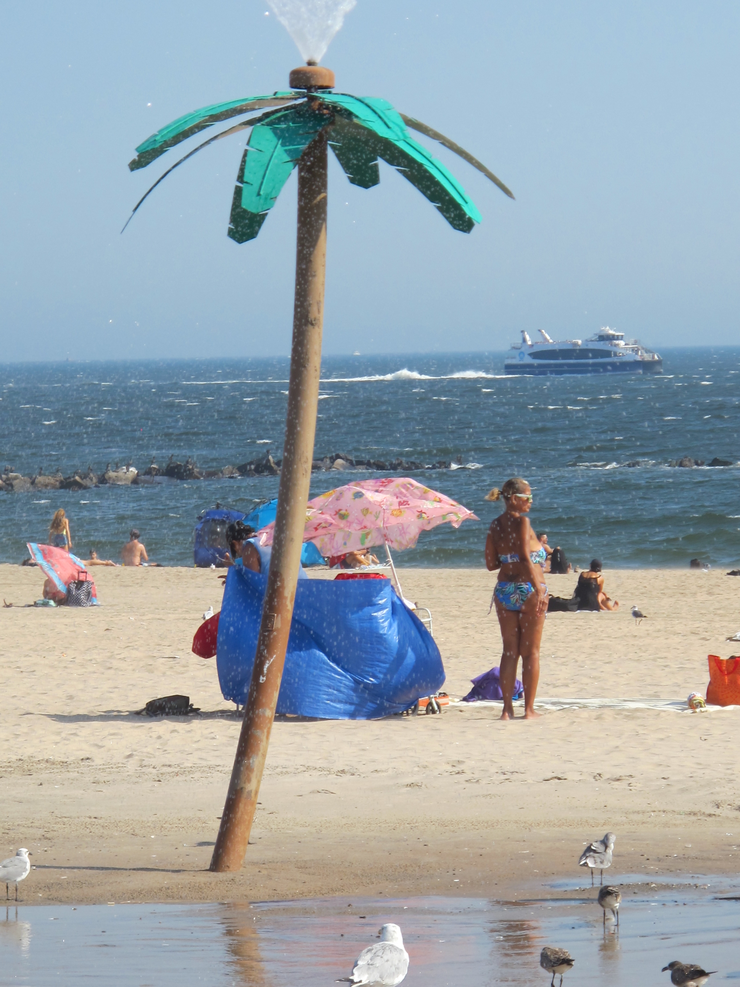
Instructor: Verena Laschinger
This seminar explores the rich tradition of American travel literature, surveying both the historical development and shifting definitions of the genre. Students will learn to identify terms and concepts central to the genre such as ‘the exotic’, ‘the picturesque’, ‘the grand tour’, ‘the international theme’, ‘the middle passage’, etc. Further students will be introduced to the sustained critical analysis of travel literature with a special focus on colonialization, formation of national identity, globalization, and ecocriticism.
Im/possible Futures: Sci-Fi’s Dystopia and Utopia
Im/possible Futures: Sci-Fi’s Dystopia and Utopia
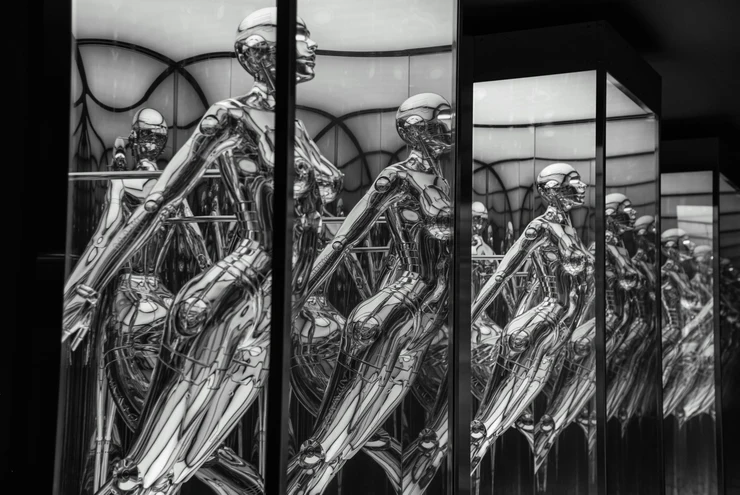
Instructor: Linda Meinhardt
Science fiction fundamentally revolves around concepts of disruption and transgression, serving as a genre that extends beyond the constraints of the present to probe and envision potential futures. Through a diverse selection of short stories from both Western and non-Western authors, this seminar will examine how the genre critiques and reimagines the status quo as it translates contemporary concerns into speculative futurescapes. Central to this seminar is the exploration of science fiction as a means of challenging and deconstructing traditional patterns of perception, existence, and world-ordering, underscoring its ability to redefine and transform established narratives and social practices. This exploration will address the conventions and stylistic elements of the genre, with a specific focus on the subgenres of utopia and dystopia. By exploring central themes such as xeno-cultural encounters, techno-humanism, and other quintessential tropes of science fiction, the seminar will unravel the genre’s defining elements and demonstrate its unique capacity for transformative change.
Decolonize: An Introduction to Decolonial Thought and Practice
Decolonize: An Introduction to Decolonial Thought and Practice
Instructor: Ilka Lensen-Saal
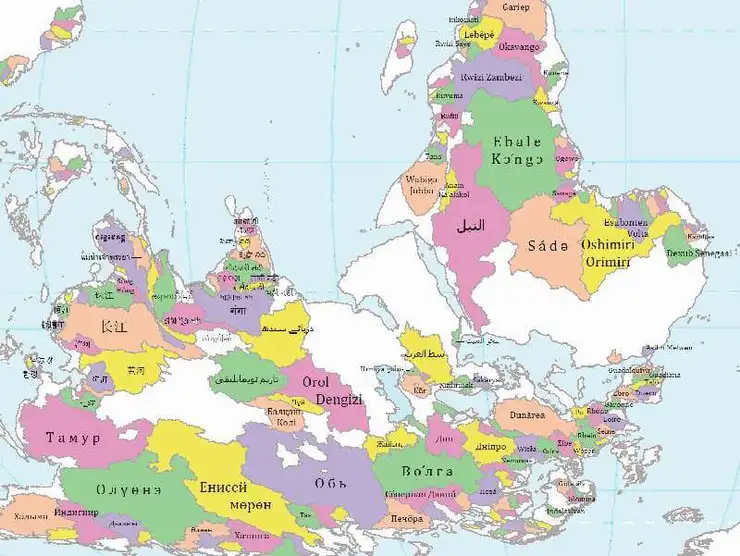
This course introduces students to the field of Decolonial Studies, with a particular focus on how contemporary theories and practices tackle the colonial legacies determining contemporary Western knowledges, economic and geopolitical power structures, as well as gendered and racial positionalities. We will discuss various de-linking strategies that divert from the colonial matrix of power by changing the rules of engagement in order to create a pluriversal (diverse, inclusive and just) world. We will also consider various concrete examples of decolonial engagement today, such as the Decolonize initiative in Erfurt as well as contemporary decolonializing curatorial practices implemented by the Grassi Museum für Völkerkunde in Leipzig. The map by Jordan Engel (2015) shows a portion of a south-oriented Map of the World’s Watersheds, labeled in their predominant indigenous language.
Witches and Witchcraft
Witches and Witchcraft
Instructor: Ilka Lensen-Saal
This course is offered in English. This is not a course about Harry Potter, nor about Wicked or other contemporary pop cultural crazes about witchcraft. Rather, this seminar invites you to reflect on our contemporary cultural investment in magic and magical beings by taking a longer cultural and closer literary perspective. Witch, crone, hag, harpie, she-devil … for a long time appellations like these have been used to target people (mostly female) whose unconventional modes of being in this world and knowing of this world have confounded, challenged, and affronted their more narrow-minded neighbors. The term witch has been deployed bullet-like to mark out, contain, and obliterate what is perceived as radical Otherness – be it with regard to age, sex, race, class, marital status, or reproductive abilities. On this score, it has been instrumentalized to recalibrate personal and communal power relations, property distribution, and social bonds. Yet, it addition to fear of alterity, it has also signalled great power and agency. As an interstitial figure, the witch is situated at the threshold between the (commonly) known and unknown; it can communicate with non-human/ super-human entities and command great creative as well as destructive forces. The etymology of the German word "Hexe," in fact, signals this interstitial power: a spirit that lives in hedges and straddles fences. This course traces the evolution of the witch as an interstitial figure in the Western cultural imagination from the Romantic to the contemporary period, examining its function as literary character and trope in a number of fun texts across the last two centuries.
North American Women’s Anti-Extractivist Speculative Fiction
North American Women’s Anti-Extractivist Speculative Fiction
Instructor: Atalie Gerhard
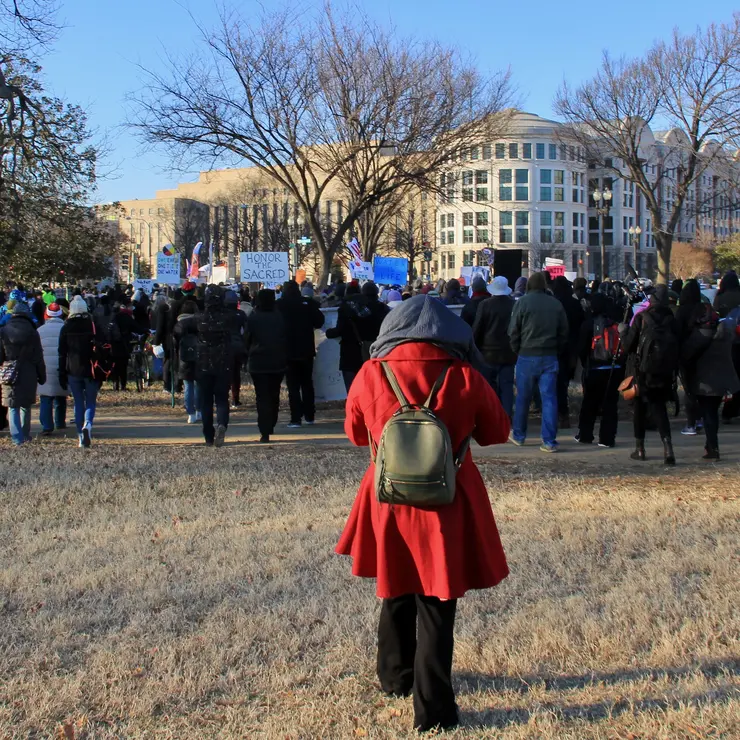
At the height of women-led activist movements advocating policies to curb emissions worldwide, this course will look at Anglophone texts by female authors from what are now Canada and the U.S. that center environmental exploitation in their plots. Although such “cli-fi” (Dan Bloom) can be published, for example, as books, films, or songs, this course chooses to emphasize the written texts. In our class, we will discuss selected excerpts from the novels Split Tooth (2018) by Tanya Tagaq (Inuit), Gold. Fame. Citrus (2015) by Claire Vaye Watkins, and Oryx and Crake (2003) by Margaret Atwood. Students are expected to obtain and read The Word for World Is Forest (1972) by Ursula K. Le Guin (total page number: 128). These literary texts allow juxtapositions of current conceptualizations of human relations to the natural world by colonial settlers and Indigenous peoples. In this course, students will practice critical thinking and literary analysis, differentiating between a thesis statement as well as its discussion in the main body of the thesis versus, for example, a summary, academic writing, conducting independent research, and giving and receiving feedback as well as reflecting on it. After this course, students will be able to analyze why, how, and with which implications women’s environmental dystopias challenge “petro-masculinity” (Cara Daggett), which has been feminizing notably North American lands to justify resource extraction since the arrival of Christopher Columbus in the so-called New World in 1492.
The Body in Contemporary Poetry
The Body in Contemporary Poetry

Instructor: Emma Weiher
This seminar looks at a selection of poetry written by contemporary North American writers ranging from the 1960s until today. With a focus on the body as a contested territory in all of the poets’ works chosen for this course, the topic allows for a number of different, subversive and culturally relevant presentations of the body in poetry. The course is aimed to provoke discussions around the body as a means of protest, a site of self-transformation and/or fulfilment, as well as a place of alienation. The poets chosen for this course position the body in highly individual ways: as the desiring body, the suffering body, the subversive body, the racialized body, or even as the aging and neglected body. After an introduction to theories of the body (from psychoanalyst thought to French feminism and affect and trauma studies) we will be looking at texts written by poets that consider the body in very individual ways and thereby illuminate the complexity of the body (and its potential) in contemporary poetry.
Literaturwissenschaftliches Kolloquium für BA-Abschlussarbeit
Literaturwissenschaftliches Kolloquium für BA-Abschlussarbeit
Instructors: Ilka Lensen-Saal and Kai Merten
This colloquy is designed to guide you through the research and writing process of your final BA thesis. Our program is open and flexible; the main goal is to assist you in formulating and shaping your thesis. To do so, we will go over basic tools and methods in academic research and writing, then assist you in formulating an effective thesis statement and in outlining the logical steps of your argument. Throughout the process, you are expected to present your work-in-progress at various stages of development to the participants in the colloquy as well as to provide critical feedback to your peers’ work.
Summer Term 2024
American Realism
American Realism
Instructor: Ilka Saal
In this seminar, we examine select prose fiction texts of US American literature produced between the Civil War and World War I in relation to the emerging concepts of literary realism, regionalism, and naturalism as well as their overall cultural context. We will study various approaches to conceptualizing these new, related literary forms with regard to their attempts to make sense of a rapidly changing society. In particular, we will focus on how literary texts of the time poetically construct “reality” and how these constructions are shaped by issues of class, gender, ethnicity, and/or race, as well as a competing mass culture. This is a reading intensive course; be prepared to read 150-200 pages a week! (B Ang/Am, B Lit)
City Poems
City Poems
Instructor: Verena Laschinger
The city figures prominently in American poetry as a symbol of the nation's exceptionalism and progress as well as of its harrowing political, cultural and social conflicts. To gain a first understanding of poetry's negotiation of developments in city planning, activism, and urban theory, students will be introduced to Walt Whitman's classic "Mannahatta" (1860) and Hart Crane's modernist masterpiece The Bridge (1930). Yet, given that in North America the word “urban” eventually came to signify “Black”, we will focus specifically on poetic evocations of race and racialization e.g. by writers of the Harlem Renaissance.
Comprehending Canada
Comprehending Canada
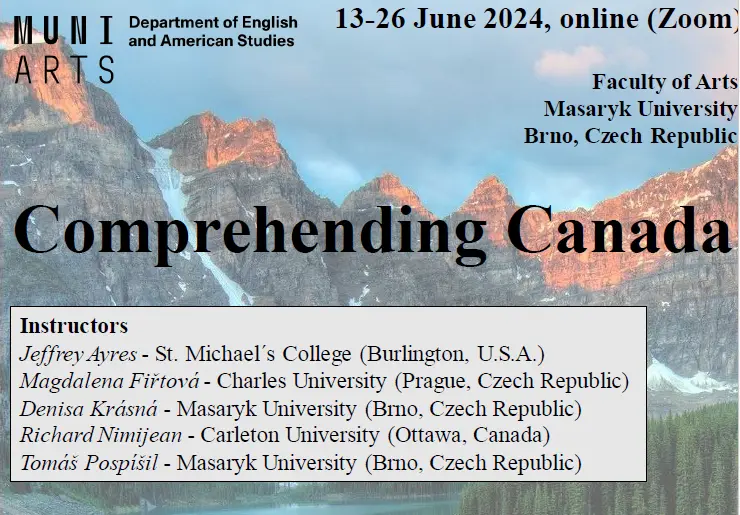
Instructors
Jeffrey Ayres - St. Michael ´ s College (Burlington, U.S.A.)
Magdalena Fiřtová - Charles University (Prague, Czech Republic)
Denisa Krásná - Masaryk University (Brno, Czech Republic)
Richard Nimijean - Carleton University (Ottawa, Canada)
Tomáš Pospíšil- Masaryk University (Brno, Czech Republic)
In this online block seminar, students are introduced to the study of Canada and its society, identity, culture, economy, and politics. This course brings together an interdisciplinary team of experts in Canadian Studies whose insights will allow students to gain a better comprehension of Canada. By synthesizing these approaches, we develop a unique and more comprehensive understanding. We explore Canada by looking at its development, its evolving sense of national identity, and the challenges of Canada’s ongoing evolution and survival. We look at Canadian people and how they live in Canada. Subjects covered include: national identity, diversity in Canadian society, race, and ethnicity, Indigenous Studies,Canada-US relations and the border, natural resources, the environment, and the economy, immigration and refugee policies,Canadian narratives as seen in culture, film, and literature.
The online seminar is scheduled to take place in blocks on June 13 and June 20 - 26, 2024 (Zoom).
Please contact Prof. Ilka Saal, if you are interested in participating: ilka.saal@uni-erfurt.de
Early American Detectives
Early American Detectives
Instructor: Ilka Saal
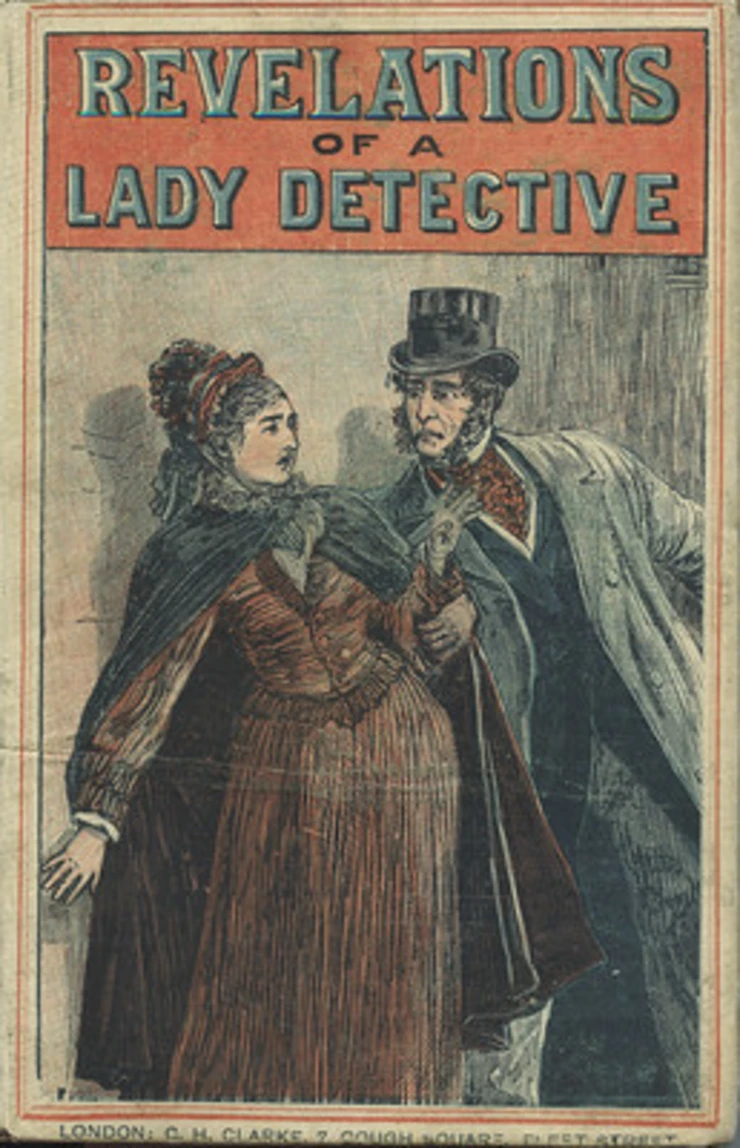
In this introductory seminar to literature, we focus on the genre of detective fiction. We will examine its constitutive narratological features and trace its evolution from its early beginnings in the mid-19th century to its first flourishing at the turn of the century and its immense popularity in the interwar period of the early 20th century. While the genre has frequently been seen as the domain of male writers, we will pay particular attention to how female writers have skillfully used and manipulated its conventions to critique dominant, patriarchal structures. (B Ang/Am, B Lit)
Family Photography
Family Photography
Instructor: Verena Laschinger
In this seminar, we are going to read and discuss foundational works by critics of family photography, including Roland Barthes, Pierre Bourdieu, Marianne Hirsch, and Deborah Willis. These scholars have offered theoretical terms for investigating family photographs, respectively, as affective punctum; middlebrow art; conduit for postmemory; means of African-American self-representation. Furthermore, we are going to read literary texts which employ family photographs. Lastly, we explore the relevance of family photographs together with family pedagogues and social workers and visit a family photography exhibition.
Gendernauts
Gendernauts - Feminismus und Kunstgeschichte
Instructors: Lelah Bender-Ferguson and Verena Laschinger
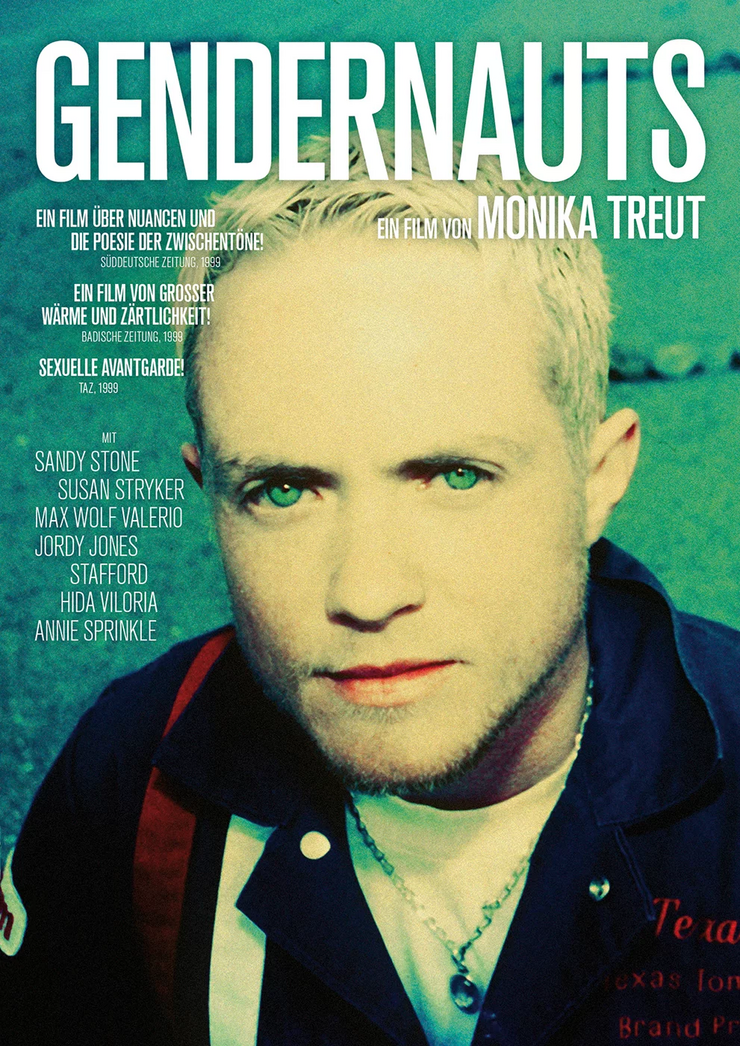
The topic of this StuFu seminar aims to open a critical perspective to our surrounding everyday visualisations of female/male connotations in body language, images of ideal bodies, as well as advertising with it’s subliminal messaging and objects. Initially, our question must be “ under what circumstances does one become aware of societal gender imprinting and role assignment ?” With which strategies do artists or art historians use alternative identities to question and broaden norms and the conventions of gender and identity (eg. Martha Rosler / Linda Nochlin ) ? Participation in excursions to museums is necessary in order to discuss questions of social gender and identity while viewing original and important works of feminist art. Course participants will hold a referat on one artist or a group of artists. All media are welcome ( eg. dance, performance , video, installation painting, sculpture, design etc.)
Life Writing
Life Writing
In this introductory seminar, students will examine the evolution of the autobiographical genre in the US. We will pay special attention to the ways in which African-Americans, women and members of minority groups use specific modes as well as various media for their self-fashioning in the first person singular to further their emancipatory goals.
Instructor: Verena Laschinger
Literary Animal Studies
Literary Animal Studies
Instructor: Verena Laschinger
We begin this seminar with a discussion of John Berger’s seminal essay “Why look at animals?” (1977), in which the cultural historian surveys the manifold roles that animals used to play in the lives of humans. The “first subject matter for painting was animal,” he writes, just as “the first metaphor was animal”. Later, Berger continues, the animal has “been co-opted into the family” as a pet “and into the spectacle” as a commodity. Twenty-first century scholarship made us increasingly aware of the entanglements between human and non-human animals that profoundly challenge many, if not most, of the current social and cultural practices concerning animals as food, pets, pests, lab rats, or wild others in the global North. Once we have established a repertoire of critical terms and concepts for the study of literary animals and the ways in which they are mediated, we will proceed with reading a select number of literary texts which invite a critical reflection of animal agency and animal rights.
Literature(s) of the Black Atlantic
Literature(s) of the Black Atlantic

Instructor: Luana de Souza Sutter, M. A.
In 1993, the British sociologist and cultural studies scholar Paul Gilroy established the concept of the Black Atlantic. The Black Atlantic is a spatio-temporal construct characterized by “the stereophonic, bilingual, or bifocal cultural forms originated by, but no longer the exclusive property of, blacks dispersed within the structures of feeling, producing, communicating, and remembering” between Africa and the Anglophone Black Diaspora (3). In this class, we will engage critically with literary works that help us understand Paul Gilroy’s concept, its central themes and tropes as well as its geographical and historical features. We will be reading together different literary forms – seminal publications such as Frederick Douglass’ autobiographical Narrative of the Life of Frederick Douglass, An American Slave (1845) and W.E.B. Du Bois’s essayistic The Soul of Black Folk (1903), as well as contemporary novels that reflect on the dynamics of the Black Atlantic from a transnational stance.
Literaturwissenschaftliches Kolloquium für BA-Abschlussarbeit
Literaturwissenschaftliches Kolloquium für BA-Abschlussarbeit
Instructors: Ilka Saal and Verena Laschinger
This colloquy is designed to guide you through the research and writing process of your final BA thesis. Our program is open and flexible; the main goal is to assist you in formulating and shaping your thesis. To do so, we will go over basic tools and methods in academic research and writing, then assist you in formulating an effective thesis statement and in outlining the logical steps of your argument. Throughout the process, you are expected to present your work-in-progress at various stages of development to the participants in the colloquy as well as to provide critical feedback to your peers’ work.
Notions of (In-)Security in American Literature
Notions of (In-)Security in American Literature

Instructor: Christoph Nostitz
In her 2008 essay “In the Name of Security,” Amy Kaplan sensitizes readers with the notion that we live in an age of security–an elastic term whose many meanings have penetrated all aspects of contemporary American political and cultural life. By suggesting a difference between seemingly ‘safe’ and ‘unsafe’ spaces, the lexicon of security allows for maintaining boundaries between ‘us’ and ‘them,’ freedom and captivity, and the meaning of physical borders between nation states. In this seminar, we will explore the rich body of U.S.-American literature that has shaped and continues to shape American imaginations of security and insecurity. Studying the works of literary luminaries such as Edgar Allan Poe, Charlotte Perkins Gilman, Shirley Jackson, and Yuri Herrera, we will make sense of the literary devices that have sustained notions of (in)security spanning almost two centuries of writing. From unreliable narrators to unique negotiations of reality, we will ask: How do these texts reflect on various experiences of insecurity? How do these texts negotiate the relationship between security and insecurity? And how do these texts encourage readers to question their own notions of security?
Politics and Performances of Whiteness
Politics and Performances of Whiteness

Instructors: Jürgen Martschukat and Ilka Saal
The class will discuss the politics and performances of whiteness with a focus on U.S. history and culture. (Stufu)
The Black Radical Tradition in African American Theater
The Black Radical Tradition in African American Theater
Instructor: Ilka Saal
Against the odds of a a long, brutal history of anti-Black violence, subjugation, and dehumanization, African Americans have continued to survive, to resist, to rehumanize themselves, and to thrive. Black Studies scholar Cedric Robinson refers to this long history of resilience and resistance as the Black radical tradition. Drama and theater have played an important role in this endeavor. This seminar focuses on the important work accomplished by African American playwrights in the Black radical tradition from the 1950s to the contemporary period.
Things
Things
Instructor: Verena Laschinger
The key question of this seminar is, how things facilitate narrative, how stories are wrested from material objects (Susan Stewart). Starting in the late nineteenth century, we are going to explore how the ideology of things plays out in literary realism, in which props are part and parcel of the imagination (Varun Begley). Tying in with recent debates about looting, appropriation, and restitution (Sarr and Savoy), we are also going to read late nineteenth-century records of colonial exploration and archeological excavation, which both document the plunder of things and facilitate the knowledge production in which we are still implicated today. The seminar will branch out to familiarize students with conceptual distinctions between gifts, things, and commodities, which represent capitalism (Appadurai), as well as with seminal literary and theoretical texts on the cultural practice of collecting (Benjamin), its creative modes of display as albums (Kramer and Pelz), or in the museum and the archive (Azoulay) as related institutions.
Winter Term 2023/24
Introduction to Literary Studies
Introduction to Literary Studies
Instructor: Verena Laschinger
This lecture series is designed as a basic introduction to literary studies, with a particular focus on literatures in English. It aims to introduce you to key concepts, analytical terms and methods as well as to a number of theoretical approaches that are relevant to the field. You will be introduced to a set of tools for critical analysis and close examination of selected texts from the main literary genres poetry, prose, and drama as well as other media such as photography, film and television. Examples will be chosen from various periods to sketch important developments of literary studies.
American Gothic Fiction
American Gothic Fiction
Instructor: Ilka Saal
The Gothic mode of writing emerged in American literature in the late 18th century concurrent with American nationhood. Drawing on Enlightenment principles of reason, freedom, and equality, the new nation proudly proclaimed in 1776 that “all men are created equal,” even as it would go on to consolidate chattel slavery, pursue the displacement and genocide of indigenous people, and keep women, people of color, and poor people disenfranchised. Not surprisingly, for this new nation “certain special guilts awaited projection in the Gothic form” (Fiedler 43). Indeed, ever since the turn of the 19th century American writers have persistently turned to the Gothic to chart the dark side of the nation’s self-understanding: its flight from the past, its foundational violence and repressed encounters with Otherness. Scholar Eric Savoy suggests that indeed the “entire tradition of American Gothic can be conceptualized as the attempt to invoke … the specter of Otherness that haunts the house of the national narrative” (Savoy 13-14). In this seminar, we will study how American writers throughout the long 19th century have deployed the Gothic as a way to evoke and manage the specters of Otherness and to give voice to culture-specific anxieties and repressed desires. We will familiarize ourselves with the various formal features and narrative conventions that constitute the Gothic tradition and examine how they have been used to thematize and chart the intertwined dynamics of progress and repression, innocence and guilt, authority and transgression, dream and nightmare, self and Other that undergird American nation building in the long 19th century.
American Short Story
American Short Story

Instructor: Verena Laschinger
In this seminar students will be introduced to the tradition of American short story writing. Sketching the development of the genre from the nineteenth century to the second half of the twentieth century, the course covers some classic texts by major practitioners and explains theoretical concepts, themes and styles that were characteristic of American short stories at certain moments. Special attention will be given to the specific impact women, non-white, and queer writers had on the development of the genre.
Modules: Please see course catalog
Neoliberalism and Modern American Literature
Neoliberalism and Modern American Literature
Instructor: Max Rosenzweig
In 1980, newly elected British prime Minister Margaret Thatcher declared that there was “no real alternative” to a set of policies she and the conservative Tory party endorsed in favor of free markets and capitalist globalization. That same year, Ronald Reagan won the US presidency on the back of a campaign that was predicated on similar measures to the ones Thatcher propagated, thus launching what the sociologist Stuart Hall called “the neoliberal revolution”. In the years and decades to come, neoliberalism not only transformed economic policies but influenced politics, culture, and quotidian life around the globe in ways that suggest that Thatcher’s assessment of the inevitability of neoliberalism’s ascent might have been true all along. In this course, we will focus on the ways in which neoliberalism influenced literature, film, and music from the 1980s onwards, from Oliver Stone’s Wall Street and Tom Wolfe’s The Bonfire of the Vanities up to contemporary rap music and the “#girlboss” trope. We will look at the ways in which its all-encompassing nature affects different identity groups and how this influence manifests itself in the contemporary discourse on identity politics and cultural production, all the while keeping Thatcher’s dictum in mind and asking if and how the predominance of neoliberalism might be countered, undermined and assessed in new and innovative artistic ways.
Introduction to American Literary History
Introduction to American Literary History
Instructor: Ilka Saal
This course offers a survey of North American literature written in English from the period of exploration and colonialism to the antebellum period. Far from being a comprehensive survey, it spotlights a few significant texts and authors who have substantially shaped North American literature and culture. We will focus, in particular, on the various ways in which literature has participated and intervened in the various discussions over race, class, and gender that have been crucial to shaping and reshaping notions of American nationhood. One of the central questions guiding our investigation is whether these texts have produced a distinctive tradition of what we might call “American” writing and what the characteristics of this tradition might be. This is a reading intensive course, be prepared to read ca. 100 pages a week!
Reading Colson Whitehead
Reading Colson Whitehead
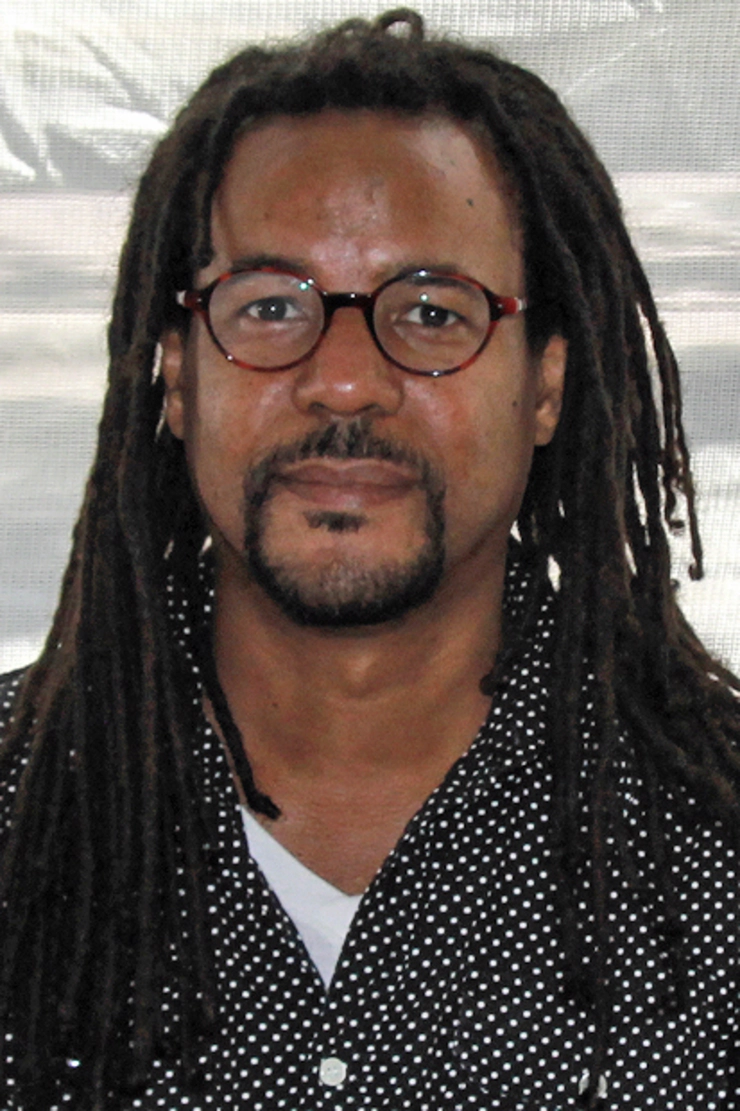
Instructor: Ilka Saal
One of the most prolific contemporary American writers, Colson Whitehead has surprised his readers time and again with innovative takes on established genres (detective, horror, coming-of-age novel, neo-slave narrative) as well as with a heterogeneous cast of characters, ranging from elevator inspectors, salesmen, and consultants to fugitives, zombies, and crooks. In this seminar, we will take the time to read three of his nine novels closely: his debut novel The Intuitionist (1999) and the widely recognized second novel John Henry Days (2001) as well as the Pulitzer-Prize and National-Book-Award-winning The Underground Railroad (2016). The overall goal is to obtain an appreciation of Whitehead’s narrative voice and style along with an understanding of how his aesthetics intersects with key thematic and political concerns in his novels. This is a reading intensive seminar; so only sign up, if you are prepared to take on the required reading assignments!
Contemporary Narratives of Slavery
Contemporary Narratives of Slavery
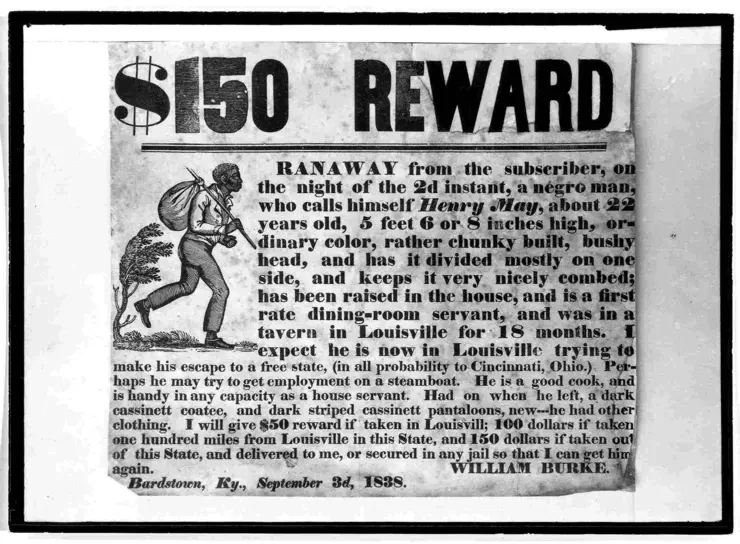
Instructor: Ilka Saal
Slavery has continued to haunt the literary imagination of the African diaspora well into the 21st century. As novelist Fred D’Aguiar points out, each generation of African Americans “need[s] their own version of the past, to see the past in their own images, words.” In this seminar, we shall examine a number of such generational attempts of rendering slavery in the images and words particular to their specific socio-political and cultural contexts. We will begin with a brief study of the original slave narratives of the antebellum period, which serves as a blueprint for the literature that follows, and then focus on the classic neo-slave narratives of the 1970s and 80s, the post-neo-slave narratives of the 1990s and 2000, as well as the more recent narratives that have emerged since the 2010s. Our study will include autobiographical writing along with prose fiction as well as works from the performing and visual arts. This is a reading intensive course; be prepared to read 150-200 pages a week!
Afrofuturism

Afrofuturism
Instructor: Verena Laschinger
“We’re going to Mars,” reiterates Nikki Giovanni’s poem “Quilting the Black-Eyed Pea” of 2002, listing dozens of reasons to explain that this all-inclusive, all black space mission is long overdue. We will take the cue from Giovanni’s techno-fantastic travelogue and Afrofuturist manifesto, to metaphorically embark on our part on a semester-long journey to survey the history of Afrofuturism by way of select music, literature and art. We will become familiar with Afrofuturism’s various modes, genres and themes to combine elements of speculative and science fiction, fantasy, and magical realism. We will also learn to understand and critically interrogate Afrofuturism not just as an aesthetic practice but an innovative mode of political expression that is alive across the African Diaspora, simultaneously critiquing racial asymmetries past and present and imagining black futurity in visions of a better tomorrow.
Moby-Dick
Moby-Dick
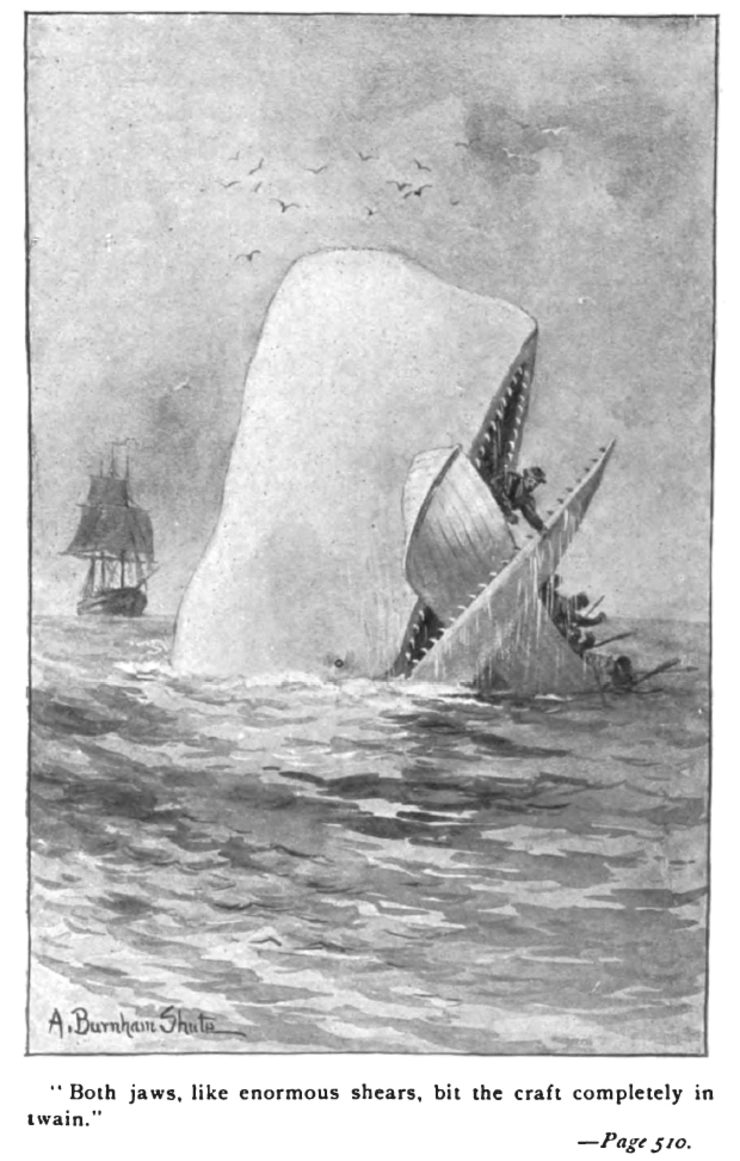
Instructor: Verena Laschinger
A masterpiece of Western literature, Herman Melville’s Moby Dick (1851) is a daunting read. We will spend the whole semester to closely examine this one novel and explore its depths and shallows. To help us navigate the text, we will use a wide range of criticism and commentary. These include classic works by C.L.R. James, Lawrence Buell and Toni Morrison as well as Afrofuturist, queer and transmedia approaches that account for the continued cultural presence of Moby-Dick.
Modules: Please see course catalog
Climate Change Theatre Action (StuFu)
Climate Change Theatre Action (StuFu)
Instructors: Ilka Saal, Verena Laschinger
In this hands-on workshop, students are asked to take collaborative action in the fight against climate change. Chiming in with numerous international events for our planet’s environmental future, our initiative articulates the urgent need for a climate conscious cultural movement within and beyond the academy. More specifically, we will join the Climate Change Theatre Action series of readings and performances of five-minute playsCCTA websitethat is scheduled to take place around the globe between September 17 thru December 23, 2023. The participatory project offers an opportunity to rally your creative energies on behalf of raising public awareness of one of today’s biggest challenges: saving our planet.This is a hands-on workshop. Be prepared to actively participate in the conceptualization, preparation, and performance of climate change theatre action.
Summer Term 2023
African American Documentaries (Stufu)
African American Documentaries (Stufu)

Instructors: Jürgen Martschukat (History) and Ilka Saal (Literature)
As non-fictional motion pictures, documentary films tend to be seen as presenting a factual, objective version of reality. However, as we will learn in this class by studying a variety of documentaries on Black history and culture, each documentary film constructs its story in a complex manner, rendering a particular version of reality. We will begin this class with examining the theory and concept of the documentary film as a genre. This will be followed by an in-depth study of a number of different documentary films, film styles, and approaches to filmmaking. Each film will be introduced by a group of students; the group will be responsible for a double session of film screening, context presentation, analysis, and discussion.
Modules: Please see course catalog.
American Realism
American Realism
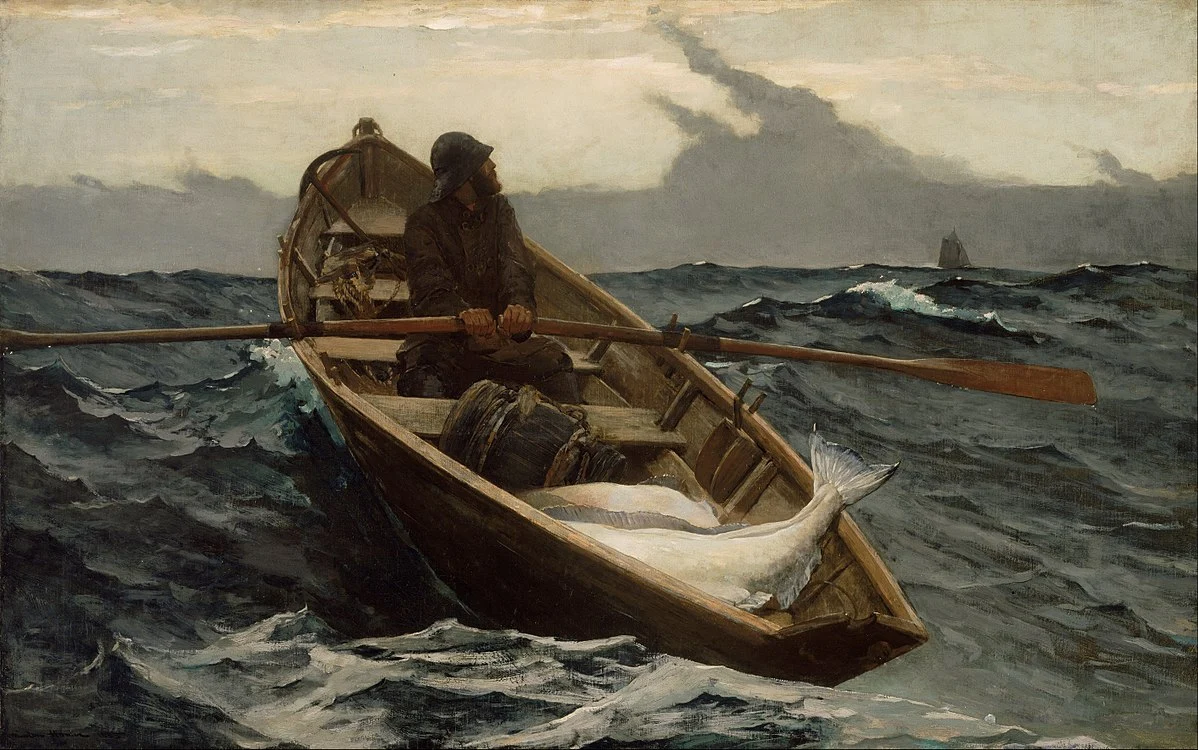
Instructor: Ilka Saal
In this seminar, we will examine select prose fiction texts of US American literature produced between the Civil War and World War I in relation to the emerging concepts of literary realism and naturalism. We will study various approaches to conceptualizing these new, related literary forms with regard to their attempts to make sense of a rapidly changing society. In particular, we will focus on how literary texts of the time poetically construct “reality” and how these constructions are shaped by issues of class, gender, ethnicity, and/or race. This is a reading intensive course; be prepared to read 150-200 pages a week!
Modules: Please see course catalog.
City Poems
City Poems
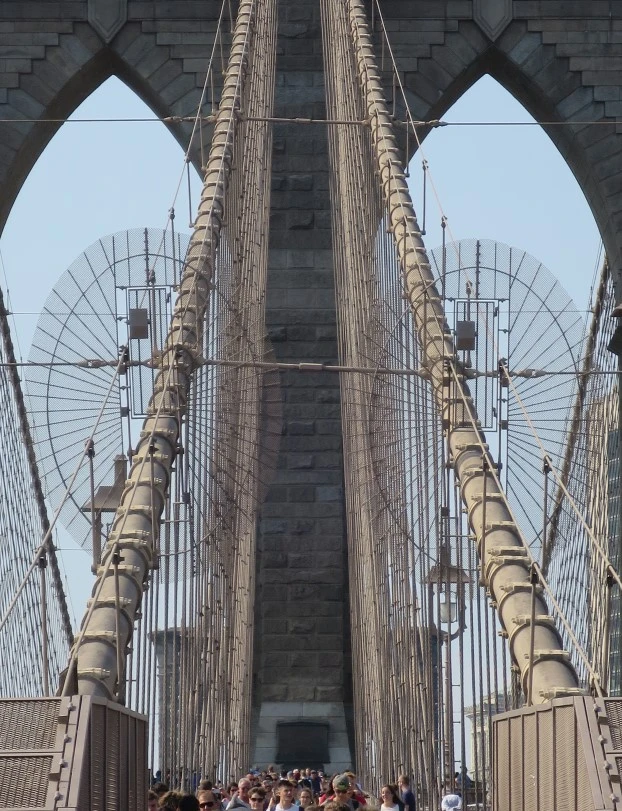
Instructor: Verena Laschinger
The city figures prominently in American poetry as a symbol of the nation’s exceptionalism and progress as well as of its harrowing political, cultural and social conflicts. To gain a first understanding of poetry’s negotiation of developments in city planning, activism, and urban theory, students will be introduced to Walt Whitman’s classic “Mannahatta” (1860) and Hart Crane’s modernist masterpiece “The Bridge” (1930). Yet, given that in North America the word “urban” eventually came to signify “Black”, we will focus specifically on poetic evocations of race and racialization e.g. by writers of the Harlem Renaissance and Gwendolyn Brooks.
Modules: Please see course catalog.
Family Photography
Family Photography

This seminar consists of two parts. In the first, which takes the form of regular weekly sessions, we are going to read and discuss foundational works by critics of the genre, including Roland Barthes, Pierre Bourdieu, Marianne Hirsch, and Deborah Willis, who have offered theoretical terms for investigating family photographs, respectively, as: an affective punctum; middlebrow art; conduit for postmemory; means of African-American self-representation. The second part is scheduled as a block seminar entitled “Fluchtpunkt – Lebenslinie: Mediale Fassungen von Displacement”. Together with photographer Linn Schröder, member of Ostkreuz, Agentur der Fotografen, and Andrea Frank, Associate Professor of Photography at SUNY New Paltz, USA, whose works render specific experiences of displacement in terms of family photographs, we intend to approach the subject from both scholarly and non-scholarly perspectives. To include interested third parties from outside of academia and also allow for personal accounts, this part of the seminar is organized in cooperation with Evangelische Akademie Thüringen. It takes place on Friday May 12 (starting at 4 pm) and Saturday May 13 (all day).
More information on the workshop
Instructor: Verena Laschinger
Literary Animal Studies
Literary Animal Studies
Instructor: Verena Laschinger
We begin this seminar with a discussion of John Berger’s seminal essay “Why look at animals?” (1977), in which the cultural historian surveys the manifold roles that animals used to play in the lives of humans. The “first subject matter for painting was animal,” he writes, just as “the first metaphor was animal”. Later, Berger continues, the animal has “been co-opted into the family” as a pet “and into the spectacle” as a commodity. Twenty-first century scholarship made us increasingly aware of the entanglements between human and non-human animals that profoundly challenge many, if not most, of the current social and cultural practices concerning animals as food, pets, pests, lab rats, or wild others in the global North. Once we have established a repertoire of critical terms and concepts for the study of literary animals and the ways in which they are mediated, we will proceed with reading a select number of literary texts which invite a critical reflection of animal agency and animal rights.
Modules: Please see course catalog.
Nineteenth-century American Women Writers
Nineteenth-century American Women Writers
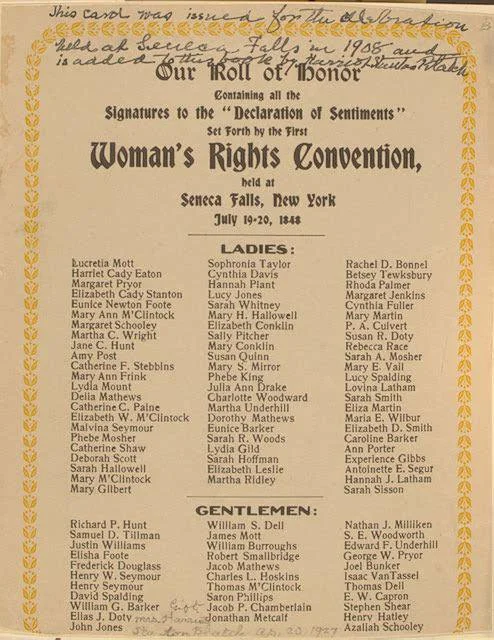
Instructor: Verena Laschinger
The purpose of this course is to better understand how the struggle for gender, class and race equality has defined the literary works of American women writers in the nineteenth century, which in return turned out to shape the political realities of the nation. Despite their impact, their huge popularity at the time, and their artistic values, literary texts by women writers such as Harriet Beecher Stowe remained ignored by twentieth century literary critics until a recovery began in the late 1960s and 70s as America’s founding principles of equality and equal opportunity remained the subject of debates and conflict. We will pay attention to questions of form as well as to the larger cultural/political issues addressed in select writings of important nineteenth century women authors.
Modules: Please see course catalog.
Slave Narratives
Slave Narratives
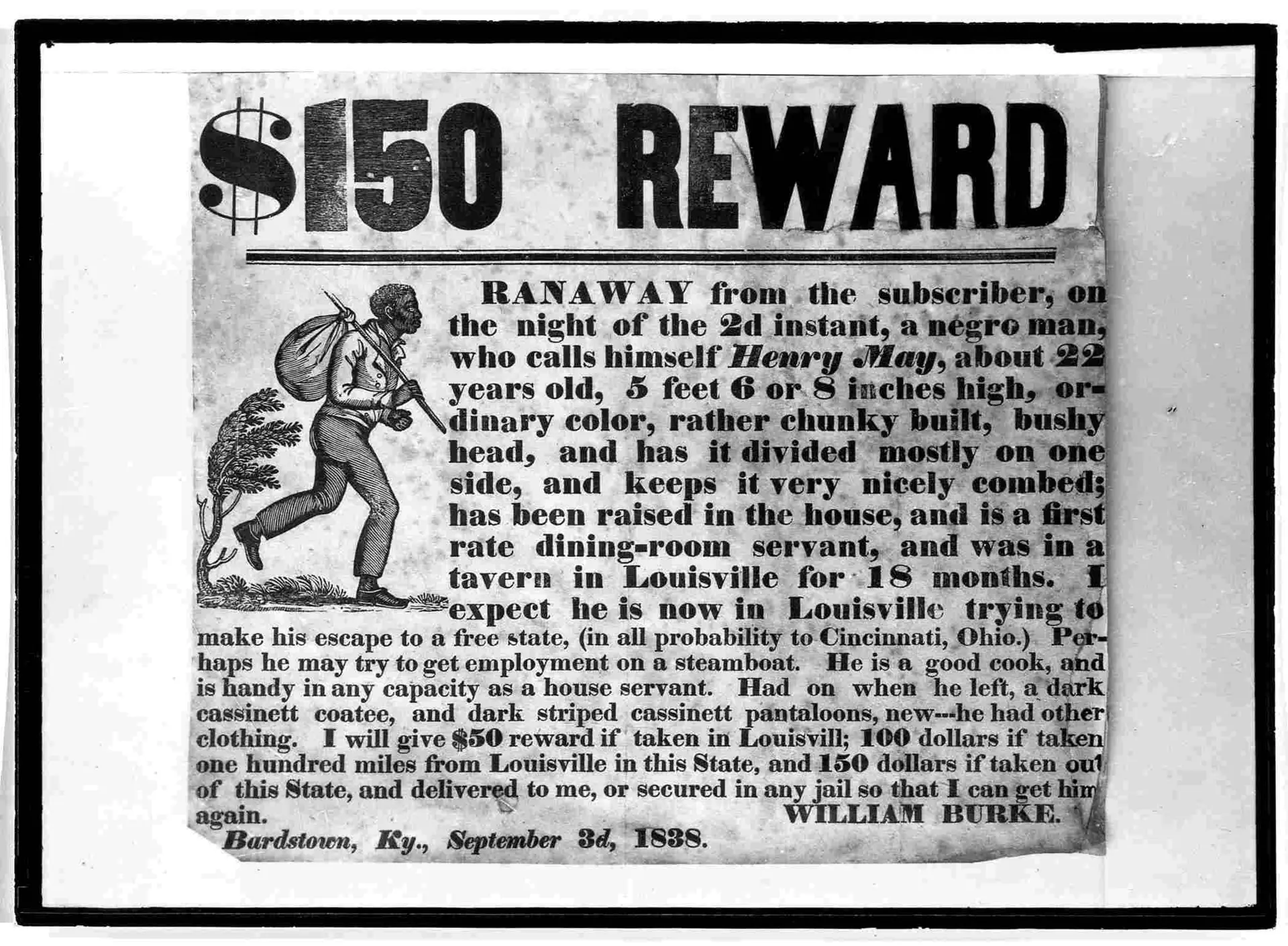
Instructor: Ilka Saal
Written between the late 18th and late 19th century, slave narratives detailed the life experience of enslaved Africans under the brutal economic system of New World slavery as well as their escape to freedom. These (mostly) autobiographical narratives enabled African Americans to bear witness to their traumatic experience, to indict an inhuman system, and to lay claim to the human rights denied to them under slavery. At the same time, they also served as powerful instruments in the abolitionist movement and thus also catered to political exigencies as well as to the expectations of a predominantly white middle-class audience. Slave narratives therefore present us, at one and the same time, with profoundly personal accounts of traumatic experience and the pursuit of freedom and self-determination as well as with complex mediations of experience and aspiration in terms of the demands of genre, the literary market, the political situation, and audience expectations. In this seminar, we shall engage in close readings and critical discussions of several of these original slave narratives. We will consider how they strove to give voice to the experience of unique individuals even as they negotiated the pressures of the political and social. This is a reading intensive course; so be prepared to read several prose works, along with relevant secondary literature, and to participate actively in class discussions.
Modules: Please see course catalog.
Theater & Community
Theater & Community
Instructor: Ilka Saal
Recent political and epidemiological events, along with social, economic, and environmental developments, and even epistemic trends index an increasing polarization within and between nations, cultures, and people with regard to a variety of issues (e.g. climate, war, migration, social protest, political reform, fake news). What roles can theater and drama play in re/building consensus and negotiating common ground, i.e. in obtaining the basic agreement on a sense of commonality or mutual interest required for social cohesion and collective action? At the same time, given that consensus and common ground are per definition exclusive and exclusionary, as well as often of a pragmatic, temporary, and unstable nature, what are the concrete politics and aesthetics at stake in performing commonality and community? How do theater and drama negotiate the relationship between commonality and difference, individuality and collectivity? These and other questions are the central isssues examined by the international conference “Theater & Community: Poetics, Politics, Performances,” taking place in Erfurt from 8-11 June 2023.
Our research seminar accompanies this conference. In preparing for the conference, we will consider various critical approaches to the possibilities and limits of community as well as in what ways, “theatrical practice and representation reveal the tensions inherent in community formation” (Fisek 4). Since the conference topic stakes out a rather large field, the goal of this seminar is for each of you to develop a research project of your own, which engages with relevant aspects of the topic through a close reading of one or two specific plays. Besides gaining a deeper understanding of the larger topic, attendance at the conference will provide you with first-hand experience of up-to-date research in the field. You will see how other researchers (senior and junior) approach the topic, what questions they pose, and how they develop their answers in close readings of primary texts. You are therefore expected to attend at least one keynote and one panel; please plan accordingly! At the end of the semester, you will present your own research proposal for discussion to the class.
Modules: Please see course catalog.
Queer Children’s Literature
Queer Children’s Literature
Instructor: Verena Laschinger
How is children’s literature queer? Obviously, if it narrates homosocial, -erotic, or -sexual content, if child characters resist heteronormative expectations as tomboyish Jo March already did in the nineteenth-century classic “Little Women”, if they downright refuse to grow-up like Peter Pan, or navigate non-binary identities like Ana and Hayden of “Ana on the Edge” (2020). Yet, in this seminar we will not simply survey texts with a queer content and queer characters. Additionally, students will be introduced to queer theory as a means to critically interrogate cultural constructs like the Child, Childhood and even Children’s Literature itself.
Modules: Please see course catalog.
Winter Term 2022/23
American Short Story
American Short Story
Instructor: Verena Laschinger
In this seminar students will be introduced to the tradition of American short story writing. Sketching the development of the genre from the nineteenth century to the second half of the twentieth century, the course covers some classic texts by major practitioners and explains theoretical concepts, themes and styles that were characteristic of American short stories at certain moments. Special attention will be given to the specific impact women, non-white, and queer writers had on the development of the genre.
Modules: Please see course catalog
American Gothic Fiction
American Gothic Fiction
Instructor: Ilka Saal
This seminar is dedicated to the study of a particular mode of writing known as the Gothic, which, notably, emerged in American literature concurrent with the founding of a new form of governmentality: democracy. Drawing on Enlightenment principles of reason, freedom, and equality, the new nation proudly proclaimed that “all men are created equal,” even as it consolidated chattel slavery, pursued the displacement and genocide of indigenous people, and kept women, people of color, and poor people disenfranchised. Not surprisingly, as one of the leading scholars of Gothic fiction, Leslie Fielder, points out, for this new nation “certain special guilts awaited projection in the Gothic form” (Fiedler, 143). Indeed, ever since the turn of the 19th century American writers have persistently turned to the Gothic to chart the dark side of the nation’s self-understanding: its flight from the past, its foundational violence and repressed encounters with Otherness. As another eminent scholar, Eric Savoy, puts it, the “entire tradition of American Gothic can be conceptualized as the attempt to invoke … the specter of Otherness that haunts the house of the national narrative” (Savoy, 13-14). In this seminar, we will study how American writers throughout the long 19th century have deployed the Gothic as a way to manage the specters of otherness and to give voice to culture-specific anxieties and repressed desires. We will familiarize ourselves with the various formal features and narrative conventions that constitute the Gothic tradition and examine how they have been used to thematize and chart the intertwined dynamics of progress and repression, innocence and guilt, authority and transgression, dream and nightmare that undergird American nation building in the long 19th century.
Introduction to American Literary History: Colonial Period to Antebellum (1500-1860)
Introduction to American Literary History: Colonial Period to Antebellum (1500-1860)
Instructors: Ilka Saal
This course offers a survey of North American literature written in English from the period of exploration and colonialism to the antebellum period. Far from being a comprehensive survey, it spotlights a few significant texts and authors who have substantially shaped North American literature and culture. We will focus, in particular, on the various ways in which literature has participated and intervened in the various discussions over race, class, and gender that have been crucial to shaping and reshaping notions of American nationhood. One of the central questions guiding our investigation is whether these texts have produced a distinctive tradition of what we might call “American” writing and, if so, what the characteristics of this tradition might be.
Modules: Please see course catalog.
Introduction to Literary Studies
Introduction to Literary Studies
Instructor: Verena Laschinger
This lecture series is designed as a basic introduction to literary studies, with a particular focus on literatures in English. It aims to introduce you to key concepts, analytical terms and methods as well as to a number of theoretical approaches that are relevant to the field. You will be introduced to a set of tools for critical analysis and close examination of selected texts from the main literary genres poetry, prose, and drama as well as other media such as photography, film and television. Examples will be chosen from various periods to sketch important developments of literary studies.
Modules: Please see course catalog
Moby-Dick
Moby-Dick
Instructor: Verena Laschinger
A masterpiece of Western literature, Herman Melville’s Moby Dick (1851) is a daunting read. We will spend the whole semester to closely examine this one novel and explore its depths and shallows. To help us navigate the text, we will use a wide range of criticism and commentary. These include classic works by C.L.R. James, Lawrence Buell and Toni Morrison as well as Afrofuturist, queer and transmedia approaches that account for the continued cultural presence of Moby-Dick.
Modules: Please see course catalog
Nineteenth-Century American Children's Classics
Nineteenth-Century American Children's Classics
Instructor: Verena Laschinger
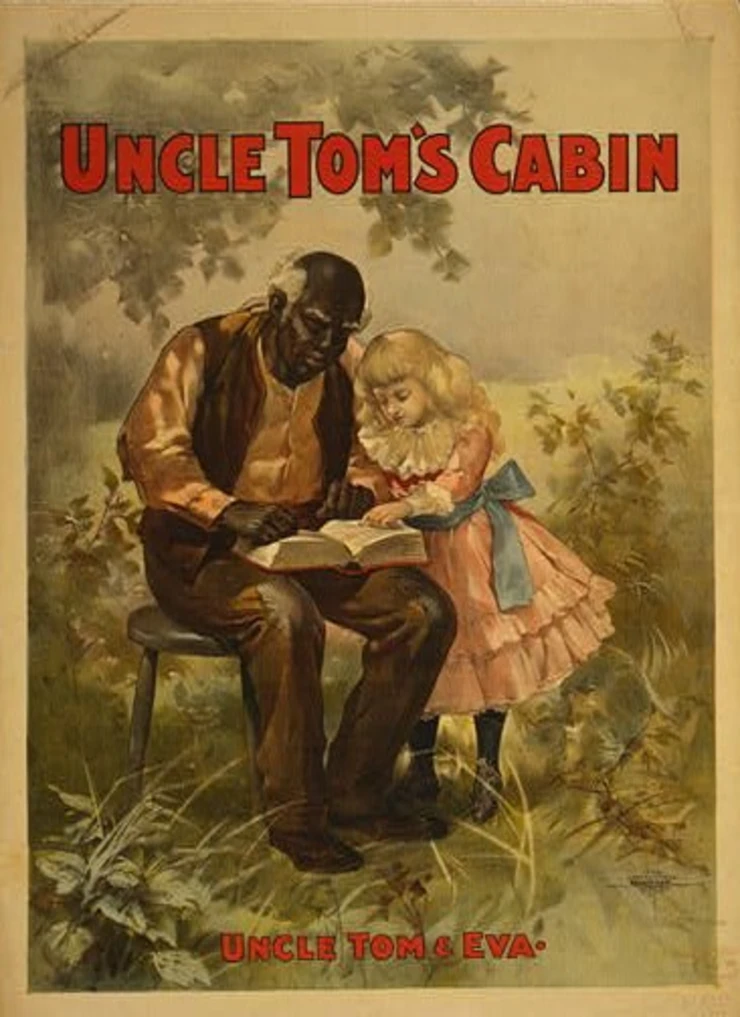
Harriet Beecher Stowe’s antislavery novel Uncle Tom’s Cabin; or, Life among the Lowly, published nine years before the American Civil War, has allegedly excited more attention than any book since the invention of printing. Louisa May Alcott’s 1868 novel Little Women has never been out of print and, to this day, is culturally ubiquitous with multiple film and television adaptations. “All modern American literature comes from one book by Mark Twain called Huckleberry Finn”, Ernest Hemingway maintained. In this seminar we will discuss a number of nineteenth-century classics which, having invented some of the most beloved child characters, continue to appeal to children and adult readers alike. We will pay particular attention to the late-nineteenth-century cult of the child, which inspired the so-called “Golden Age” of children’s literature in Britain and North America, the myth of childhood innocence, and its ensuing impact on family, labor, education, and sexuality.
Modules: Please see course catalog
Shakespeare Meets Star Wars: The Bard in American Popular Culture
Shakespeare Meets Star Wars: The Bard in American Popular Culture
Instructor: Teresa Teklić
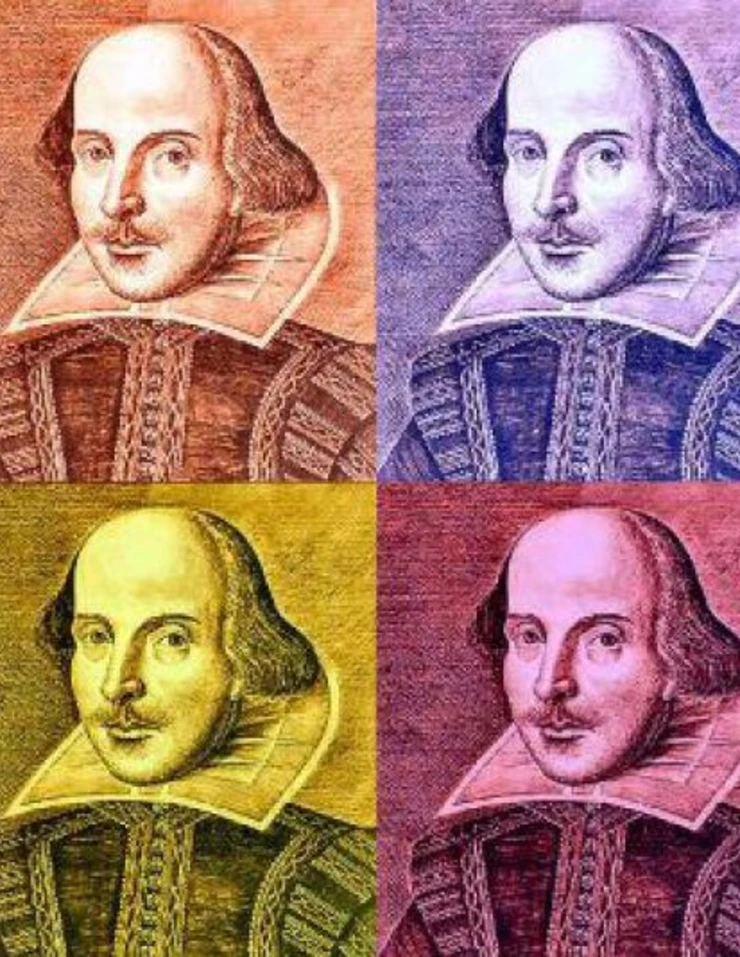
For centuries William Shakespeare’s works have been performed and transformed, adapted, appropriated and remediated in a host of different media: in the novel, on film, and more recently also in social media. Such processes of transformation are often said to violate the works’ alleged authenticity, meddle with authorial intent, or “devalue” Shakespeare. Since his oeuvre is traditionally categorized as “high” culture, pop cultural renditions of Shakespeare’s works run the risk of being dismissed as products of inferior value.
This class will engage with questions of cultural production and consumption, by asking, for instance, how cultural value is produced and how it is determined. Does the value depend on the text (assuming that the original Shakespeare is “better” than Shakespeare in contemporary English), the medium (theater vs. film vs. Twitter), the genre (independent cinema vs. Hollywood blockbuster), the institution (the Royal Shakespeare Company vs. fan fiction), or on something else entirely?
We will look at these questions from a distinctly American perspective in order to determine how American culture adapts Shakespeare to a U.S. context, for instance in a Western movie rendition of King Lear or a rewriting of George Lucas’ Star Wars film in Shakespearean English. Texts by scholars like Pierre Bourdieu, Paul du Gay and Stuart Hall, John Fiske, Michel de Certeau, and Henry Jenkins will provide the theoretical framework for the class.
Modules: Please see course catalog.
Theater & the Afterlife of Slavery: Poetics and Politics of Recent Black Theater (2014-2020)
Theater & the Afterlife of Slavery: Poetics and Politics of Recent Black Theater (2014-2020)
Instructor: Ilka Saal
This seminar is dedicated to the study of recent developments in African American drama and theater. Over the past decade, US society has undergone an increasing polarization with regard to racial issues, exacerbated by continuous police violence against people of color and white supremacist terror. In response, people of color have devised various political, theoretical, and artistic interventions to resist and undercut the myriad forms of racist discrimination and violence they encounter in their everyday lives. In particular, they have drawn attention to how contemporary racism continues to be fed by the various social, economic, representational, and psychic legacies of slavery. In this seminar, we will examine how contemporary Black drama and theater engages with the afterlife of slavery in content as well as in form. In particular, we will consider how these artistic endeavors intersect with the politics of the Black Lives Matter movement as well as with recent theoretical interventions in the field of Black Studies.
Modules: Please see course catalog
Summer Term 2022
African-American Poetry
African-American Poetry
Instructor: Verena Laschinger
This course surveys the diverse body of work of African American poets. We will study early poems e.g. by Phillis Wheatley and Paul Laurence Dunbar, the first African American poets to achieve national recognition, works by more contemporary writers such as Sonia Sanchez, Amiri Baraka, and Amanda Gorman as well as poems that were recently published in the New York Times Magazine's 1619 Project. Engaging political and theoretical issues related to the Harlem Renaissance and the Black Arts Movement, we will specifically examine the interconnections between African American poetry and other cultural forms, including music, visual arts, and folklore.
Modules: Please see course catalog.
Lecture: The City in American Literature
Lecture: The City in American Literature
Instructor: Verena Laschinger
This lecture introduces students to American urban fiction alongside seminal theory from the field of urban studies. We will study representations of cities in American literature diachronically from the 17th century to the 21st century as well as venture into related media such as film, television, and photography. Students will get acquainted with the various ways, in which American cities were simultaneously fictionally imagined as well as materially engineered against the backdrop of both European capitals and the American wilderness. To conceptualize our readings, we will draw on the critical discourse regarding e.g. globalization, postcolonialism, and transnational urbanism.
Modules: Please see course catalog.
Literary Animal Studies
Literary Animal Studies
Instructor: Verena Laschinger
We begin this seminar with a discussion of John Berger’s seminal essay “Why look at animals?” (1977), in which the cultural historian surveys the manifold roles that animals used to play in the lives of humans. The “first subject matter for painting was animal,” he writes, just as “the first metaphor was animal”. Later, Berger continues, the animal has “been co-opted into the family” as a pet “and into the spectacle” as a commodity. Twenty-first century scholarship made us increasingly aware of the entanglements between human and non-human animals that profoundly challenge many, if not most, of the current social and cultural practices concerning animals as food, pets, pests, lab rats, or wild others in the global North. Once we have established a repertoire of critical terms and concepts for the study of literary animals and the ways in which they are mediated, we will proceed with reading a select number of literary texts which invite a critical reflection of animal agency and animal rights.
Modules: Please see official course catalog.
Nineteenth-Century American Children's Classics
Nineteenth-Century American Children's Classics
Instructor: Verena Laschinger
Harriet Beecher Stowe’s antislavery novel Uncle Tom’s Cabin; or, Life among the Lowly, published nine years before the American Civil War, has allegedly excited more attention than any book since the invention of printing. Louisa May Alcott’s 1868 novel Little Women has never been out of print and, to this day, is culturally ubiquitous with multiple film and television adaptations. “All modern American literature comes from one book by Mark Twain called Huckleberry Finn”, Ernest Hemingway maintained. In this seminar we will discuss a number of nineteenth-century classics which, having invented some of the most beloved child characters, continue to appeal to children and adult readers alike. We will pay particular attention to the late-nineteenth-century cult of the child, which inspired the so-called “Golden Age” of children’s literature in Britain and North America, the myth of childhood innocence, and its ensuing impact on family, labor, education, and sexuality.Module: Please see official course catalog.
Poem, Painting, Photograph: Reading the Contemporary Novel Through Its Intertexts
Poem, Painting, Photograph: Reading the Contemporary Novel Through Its Intertexts
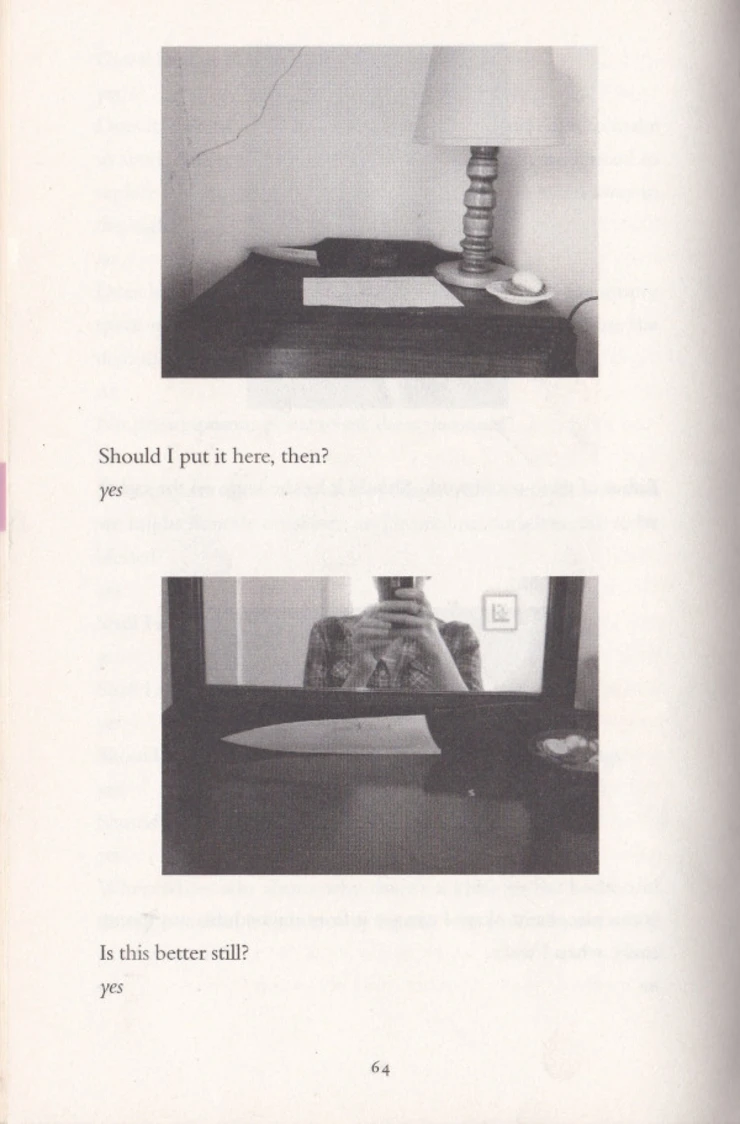
Instructor: Teresa Teklić
Some of the most interesting contemporary writers use a plethora of intertextual reference and images to enrich and complicate the meanings of their texts. Sheila Heti’s essay-novel Motherhood includes photographs, tarot cards, and reprints of famous impressionist artworks by Berthe Morisot or Paul Gauguin. Ben Lerner’s novels are a veritable feast of intertextuality, including not only reprints of paintings and photographs, but also movie stills (Back to the Future; The Passenger), snippets from political speeches (Ronald Regan’s State of the Union address from 1986), poems, and references to other fictional and nonfictional texts. Sometimes these echoes can even be traced through multiple works: Lerner’s novel 10:04 not only directly references Walt Whitman’s memoir Specimen Days (1882), it also alludes to Michael Cunningham’s eponymous novel (Specimen Days, 2005), which was inspired by Whitman’s memoir. How do these intertexts echo through time? How do they challenge, add to, undermine, or enrich the meanings of the contemporary texts in which they are embedded? We will try to approach these questions by closely engaging with these different (visual) texts and by drawing on theories of intermediality, intertextuality, semiotics, photography, and film studies to deepen our understanding.
Module: Please see official course catalog.
Winter term 2021/22
Afrofuturism
Afrofuturism
Instructor: Verena Laschinger
“We’re going to Mars,” reiterates Nikki Giovanni’s poem “Quilting the Black-Eyed Pea” of 2002, listing dozens of reasons to explain that this all-inclusive, all black space mission is long overdue. We will take the cue from Giovanni’s techno-fantastic travelogue and Afrofuturist manifesto, to metaphorically embark on our part on a semester-long journey to survey the history of Afrofuturism by way of select music, literature and art. We will become familiar with Afrofuturism’s various modes, genres and themes to combine elements of speculative and science fiction, fantasy, and magical realism. We will also learn to understand and critically interrogate Afrofuturism not just as an aesthetic practice but an innovative mode of political expression that is alive across the African Diaspora, simultaneously critiquing racial asymmetries past and present and imagining black futurity in visions of a better tomorrow.
Modules: Please see course catalog
Contemporary Narratives of Slavery
Contemporary Narratives of Slavery
Instructor: Luana de Souza Sutter
“Slavery wasn’t in the literature at all. Part of that, I think, because, on moving from bondage to freedom which has been our goal, we got away from slavery and also from the slaves” (Living Memory, 179). Although Morrison’s claim about the absence of slavery in American literature is not entirely true, as literary critic Arlene Keizer points out, it is not until the last third of the twentieth century that African American writers show a significant surge of interest in reconsidering the past of slavery. In this course, we will be reading together recent works of African American fiction about slavery published from the late twentieth into the early twenty-first century. We will be primarily concerned with mapping recurrent themes and tropes in contemporary fiction and discussing central issues and developments in the literary representation of central historical figures and events in the American history of slavery. Some of the works we will be looking into are Gayl Jones’s Corregidora (1976), the graphic novel adaptation of Octavia Butler’s Kindred (1979; 2017), Toni Morrison’s Beloved (1987) and A Mercy (2008), as well as Ta-Nehisi Coates’s The Water Dancer (2019).
Modules: Please see course catalog.
Introduction to American Literary History: Colonial to Antebellum Period
Introduction to American Literary History: Colonial to Antebellum Period
Instructor: Ilka Saal
This course offers a survey of North American literature written in English from, roughly, the period of exploration and colonialism to the antebellum period. Far from being a comprehensive survey, it focuses on a few significant texts and authors who have substantially shaped North American literature and culture. We will focus in particular on the various ways in which literature has participated and intervened in the various discussions over race, class, and gender that have been crucial to shaping and reshaping notions of American nationhood. One of the central questions guiding our investigation is whether these texts have produced a distinctive tradition of what we might call “American” writing and, if so, what the characteristics of this tradition might be.
During the winter term 2021/22 this lecture course is reserved for students who still need to fulfill the requirement according to the PO B Ang 2012 (Ha/Ne). Students enrolling in the new PO B Ang 2021 will take this course in the fall of 2022.
Introduction to Literary Studies
Introduction to Literary Studies
Instructor: Verena Laschinger
This lecture series is designed as a basic introduction to literary studies, with a particular focus on literatures in English. It aims to introduce you to key concepts, analytical terms and methods as well as to a number of theoretical approaches that are relevant to the field. You will be introduced to a set of tools for critical analysis and close examination of selected texts from the main literary genres poetry, prose, and drama as well as other media such as photography, film and television. Examples will be chosen from various periods to sketch important developments of literary studies.
Modules: Please see course catalog
Literature of 9/11
Literature of 9/11
Instructor: Ilka Saal
This fall we commemorate the 20th anniversary of the terrorist attacks on New York City and Washington, D.C. that took place on September 11, 2001 – an event engrained in the collective memory as 9/11. Taking its cue from this anniversary, this seminar sets out to map various reactions to this traumatic event in literature as well as visual and performance culture. It asks what collective narratives evolved from the ruins in Manhattan, Washington, and Pennsylvania – both in the event’s immediate aftermath as well as across the span of two decades. In what ways has our perception of events been shaped by entrenched tropes and narratives of U.S. nationhood; respectively, what fresh narratives of national and global belonging have emerged?And how have narratives of 9/11 changed over the past twenty years?
Modules: Please see course catalog
Nineteenth-Century American Children's Classics
Nineteenth-Century American Children's Classics
Instructor: Verena Laschinger
Harriet Beecher Stowe’s antislavery novel Uncle Tom’s Cabin; or, Life among the Lowly, published nine years before the American Civil War, has allegedly excited more attention than any book since the invention of printing. Louisa May Alcott’s 1868 novel Little Women has never been out of print and, to this day, is culturally ubiquitous with multiple film and television adaptations. “All modern American literature comes from one book by Mark Twain called Huckleberry Finn”, Ernest Hemingway maintained. In this seminar we will discuss a number of nineteenth-century classics which, having invented some of the most beloved child characters, continue to appeal to children and adult readers alike. We will pay particular attention to the late-nineteenth-century cult of the child, which inspired the so-called “Golden Age” of children’s literature in Britain and North America, the myth of childhood innocence, and its ensuing impact on family, labor, education, and sexuality.
Modules: Please see course catalog
Post-Millennial Fiction
Post-Millennial Fiction
Instructor: Teresa Teklić
In this class, we will read four innovative, exciting examples of post-millennial (i.e. 21st century) fiction: Mohsin Hamid’sThe Reluctant Fundamentalist (2007); Jennifer Egan’s A Visit from the Goon Squad (2010); Yann Martel’s Life of Pi (2001), and Ben Lerner’s Leaving the Atocha Station (2011). We will then turn to a fundamental question of literary studies: How should we read these books? How should one read literature in general? We will take our first cue from writer Virginia Woolf, who said that “to follow your own instincts, to use your own reason, to come to your own conclusions” was the best advice, if any, she could offer. The second cue comes from literary critic Terry Eagleton, who reminds us that literary texts “demand a peculiarly vigilant kind of reading, one which is alert to tone, mood, pace, genre, syntax, grammar, texture, rhythm, narrative structure, punctuation, ambiguity – in fact to everything that comes under the heading of ‘form’.” Put simply, in this class you can learn how to develop an informed critical opinion of literary texts by paying close attention to their form.
Modules: Please see course catalog.
Seeing Whiteness
Seeing Whiteness
Instructors: Ilka Saal
When we talk about race, we tend to do so almost exclusively in terms of non-whiteness, so that whiteness largely remains invisible, unnoticed, unspoken as a racial category. Put differently, race is treated as something that ‘belongs’ to people of color only. Precisely this is one of the privileges of whiteness: its presumption to operate as the invisible, universal standard against which all other races are measured. This seminar seeks to make whiteness visible, to interrogate its meanings and functions, to train us in seeing whiteness. The goal is to become (more) aware of how whiteness operates within a racial formation that structures social, economic, and representational systems of inequality. For this purpose, we will ask a number of questions: Who is white? What does it mean to be white? What is white privilege? How does whiteness operate as a category of thought and perception as well as a category of power? How have the boundaries of whiteness shifted in the course of US history? How does whiteness intersect with class and gender and to what effect? And how does it operate in terms of aesthetic representation? We will approach these and other questions by studying a variety of materials, including scholarly essays, works of fiction and non-fiction, examples from the performing arts and visual culture.
Modules: Please see course catalog.
Stufu: Climate Change Theatre Action
Stufu: Climate Change Theatre Action
Instructors: Verena Laschinger, Ilka Saal
In this hands-on workshop, students are asked to take collaborative action in the fight against climate change. Chiming in with numerous international events for our planet’s environmental future, our initiative articulates the urgent need for a climate conscious cultural movement within and beyond the academy. More specifically, we will join the Climate Change Theatre Action series of readings and performances of five-minute plays (http://www.climatechangetheatreaction.com/about/) that is scheduled to take place around the globe between September 19 to December 18, 2021. The participatory project offers an opportunity to rally your creative energies on behalf of raising public awareness of one of today’s biggest challenges: saving our planet.This is a hands-on workshop. Be prepared to actively participate in the conceptualization, preparation, and performance of climate change theatre action.
Travelogues
Travelogues
Instructor: Verena Laschinger
This seminar explores the rich tradition of American travel literature, surveying both the historical development and shifting definitions of the genre. Students will learn to identify terms and concepts central to the genre such as ‘the exotic’, ‘the picturesque’, ‘the grand tour’, ‘the international theme’, ‘the middle passage’, etc. Further students will be introduced to the sustained critical analysis of travel literature with a special focus on colonialization, formation of national identity, globalization, and ecocriticism.
Modules: Please see course catalog
Summer Term 2021
19th-Century American Children's Classics
19th-Century American Children's Classics
Instructor: Verena Laschinger
Harriet Beecher Stowe’s antislavery novel Uncle Tom’s Cabin; or, Life among the Lowly, published nine years before the American Civil War, has allegedly excited more attention than any book since the invention of printing. Louisa May Alcott’s 1868 novel Little Women has never been out of print and, to this day, is culturally ubiquitous with multiple film and television adaptations. “All modern American literature comes from one book by Mark Twain called Huckleberry Finn”, Ernest Hemingway maintained. In this seminar we will discuss a number of nineteenth-century classics which, having invented some of the most beloved child characters, continue to appeal to children and adult readers alike. We will pay particular attention to the late-nineteenth-century cult of the child, which inspired the so-called “Golden Age” of children’s literature in Britain and North America, the myth of childhood innocence, and its ensuing impact on family, labor, education, and sexuality.
Modules: Please see course catalog.
Academic Writing in English
Academic Writing in English
Instructors: Ilka Saal and Verena Laschinger
This hands-on workshop is designed for students, who are intent on improving their academic writing skills in English for term papers and theses in the field of literary or cultural studies. We particularly invite students in the B Anglistik who plan to write their BA theses this or next semester. The workshop offers a set of concrete tools with regard to the development, structuring, and formulation of arguments as well as a number of exercises regarding writing techniques, in-text citation, and bibliographical requirements. The workshop is offered as a combination of blocked seminars and individual meetings. Since this is a hands-on workshop, attendance during the blocked sessions is indispensable.
Modules: Please see official course catalog.
Anti-Racism and Diversity Awareness
Anti-Racism and Diversity Awareness
Instructors: Ilka Saal and Verena Laschinger
In this workshop, we will collaboratively put together a tool-kit for students and (emerging) teachers to increase their awareness of discriminatory structures and practices in everyday life and in the classroom and to enhance sensitivity for engaging various forms of Otherness related to issues of race, class, gender & sexuality, disability or other categories of difference. To do so we will engage in group project work as well as study various writings and listen to guest lectures on these issues.
Module: StuFu, please see official course catalog.
Climate Fi/action
Climate Fi/action
Instructor: Verena Laschinger
When then-U.S. president Trump withdrew on June 1, 2017 from the Paris Agreement forged to combat climate change, he confirmed that even “the new conservative revolution is registering - in the worst possible way - the transformation of the earth system”, Bruno Latour states in his 2018 anthropocene lecture at the HKW Berlin. Taking climate change for a fact, this American Studies seminar introduces students to some of the most prominent scientific, political, journalistic, artistic and literary voices in the discourse on climate change. We will engage with seminal theoretical texts, debate controversial political positions, and explore together the aesthetic responses of contemporary artist and fiction writers, grappling to fathom the end of the earth (as we know it).
Reading List:
- Margaret Atwood. The Year of the Flood, 2009.
- Sarah M. Broom. The Yellow House. A Memoir, 2019.
- Octavia Butler. Parable of the Sower, 1993.
- Omar El-Akkad. American War, 2017.
- Barbara Kingsolver. Flight Behavior, 2012.
- Emily St. John Mandel. Station Eleven, 2014.
- Cormac McCarthy. The Road, 2006.
- Richard Powers. The Overstory, 2018.
- Kim Stanley Robinson. New York 2140, 2017.
Module: Please see official course catalog.
Introduction to Literatures in English
Introduction to Literatures in English
Instructors: Ilka Saal, Verena Laschinger, Teresa Tekli´c
This seminar is designed as an introduction to the study of literatures in English, with a particular focus on North American literatures. It highlights the specificities of the medium of literary communication and provides you with an overview of what the study of literature is about. It, furthermore, aims to introduce you to key concepts and analytical terms in the genres of poetry, prose, and drama as well as to a few, selected theoretical approaches.
Modules: B Ang 2012 AA02#03 // S 3LP, B Lit 2012 LOL#02 // S 3LP, B Lit 2012 LOL#03 // S 6LP
Jewish American Literature
Jewish American Literature between Henry Roth and Jonathan Safran Foer
Instructor: Max Rosenzweig
In 1977, literary critic Irving Howe declared Jewish American literature a thing of the past, a phenomenon that had “moved past its high point” and lost its significance as a distinct regional literature rooted in the immigrant experience. In Howe’s view, the linked processes of assimilation and upward social mobility that characterized the experience of second and third generation Jewish Americans were accompanied by a loss of communal identity and shared religious as well as secular cultural practices. However, contrarily to Howe’s assessment, Jewish American literature flourished way past the 1970s, arguably reaching a new high point in the late 90s and early aughts with the emergence and success of a new generation of authors like Michael Chabon, Jonathan Safran Foer, Nicole Krauss, and Nathan Englander, who tackled the issue of what it means to be Jewish and write about “Jewish themes” as a Jewish American writer in the 21st century. In this seminar, we will attempt to retrace the trajectory of Jewish American literature from its beginnings in Jewish immigrant fiction to the emergence of “middle class” Jewish American literature in the aftermath of WW2 up to contemporary literary examinations of the Jewish American experience in regard to questions of identity, assimilation, and the holocaust.
Module: Please see official course catalog.
Harlem Renaissance
Harlem Renaissance
Instructor: Ilka Saal
The term Harlem Renaissance refers to the period of the 1920s in African American culture – a period of extraordinary artistic productivity. Witnessing an unprecedented degree, variety, and quality of cultural production, this decade has been generally considered a flourishing of African American culture in various cities of the U.S. – not just in Harlem, even as this New York neighborhood lent this period its name as the geographic epicenter of this renaissance. The Harlem Renaissance laid the foundation for the future development of African American literature, from the modern to the contemporary period. In this seminar, we will examine a small but representative selection of important works produced in this time, along with the various discourses on race, memory, and art that fueled these productions. At the center of our inquiry is the question in what ways these various artistic practices and debates contributed to the formation of a distinctive sense of African American culture and identity.
Module: Please see official course catalog.
Theater of Race
Theater of Race
Instructor: Ilka Saal
In this course, we will investigate a series of dramatic scripts and theatrical productions that foreground the staging of race. Theater has traditionally been conceived as a place for looking and watching as well as performing; it has hence also played a crucial role in the visual and performative construction and deconstruction of race. Drawing on various theories of the nexus of race, visuality , and performance, this seminar investigates a series of works by (mostly) contemporary American playwrights that foreground the scopic and performative mechanisms at work in the production and refiguration of racial meanings, including works by Suzan-Lori Parks, Kara Walker, Young Jean Lee, Brandon Jacobs-Jenkins, Jackie Sibblies Drury, and Pope L.
Module: Please see official course catalog.
The City in American Literature
Lecture: The City in American Literature
Instructor: Verena Laschinger
This lecture introduces students to American urban fiction alongside seminal theory from the field of urban studies. We will study representations of cities in American literature diachronically from the 17th century to the 21st century as well as venture into related media such as film, television, and photography. Students will get acquainted with the various ways, in which American cities were simultaneously fictionally imagined as well as materially engineered against the backdrop of both European capitals and the American wilderness. To conceptualize our readings, we will draw on the critical discourse regarding e.g. globalization, postcolonialism, and transnational urbanism.
Modules: Please see course catalog.

![[Translate to English:] facebook icon](/fileadmin/SocialMediaIcons/iconfinder_06-facebook_white.svg)

![[Translate to English:] instagram icon](/fileadmin/SocialMediaIcons/iconfinder_38-instagram_white.svg)
![[Translate to English:] YouTube icon](/fileadmin/SocialMediaIcons/iconfinder_18-youtube_white.svg)
![[Translate to English:] xing icon](/fileadmin/SocialMediaIcons/iconfinder_xing_white.svg)
