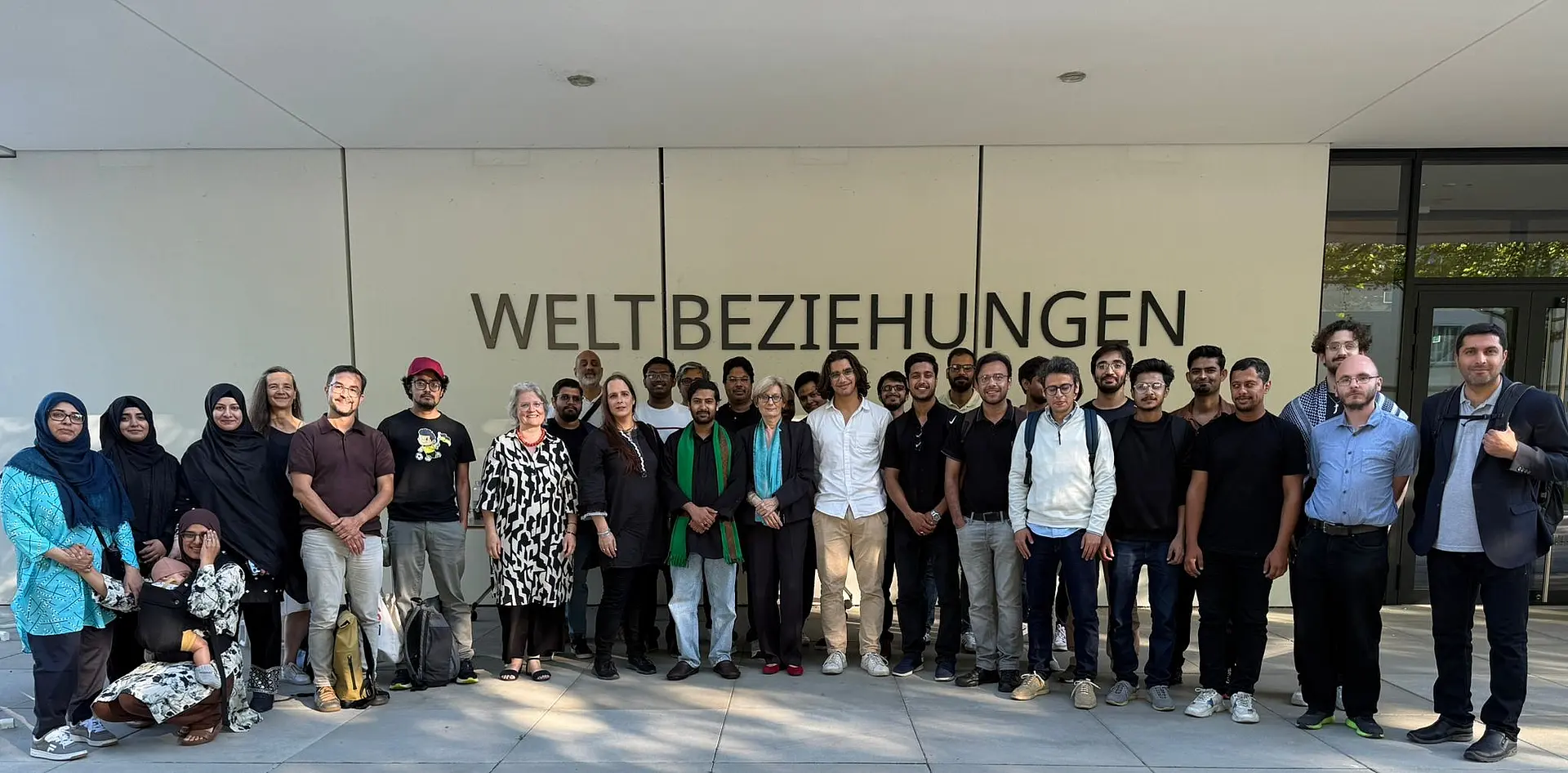
On June 19, the Global South Studies Center was inaugurated by its director, Prof. Dr. Birgit Schäbler, with a thematic event. In line with the Center‘s mission to engage with interrelated transregional social, political, and religious processes in the Global South, this opening event took place in the building ‚Weltbeziehungen‘ (global relations) on the University of Erfurt campus.
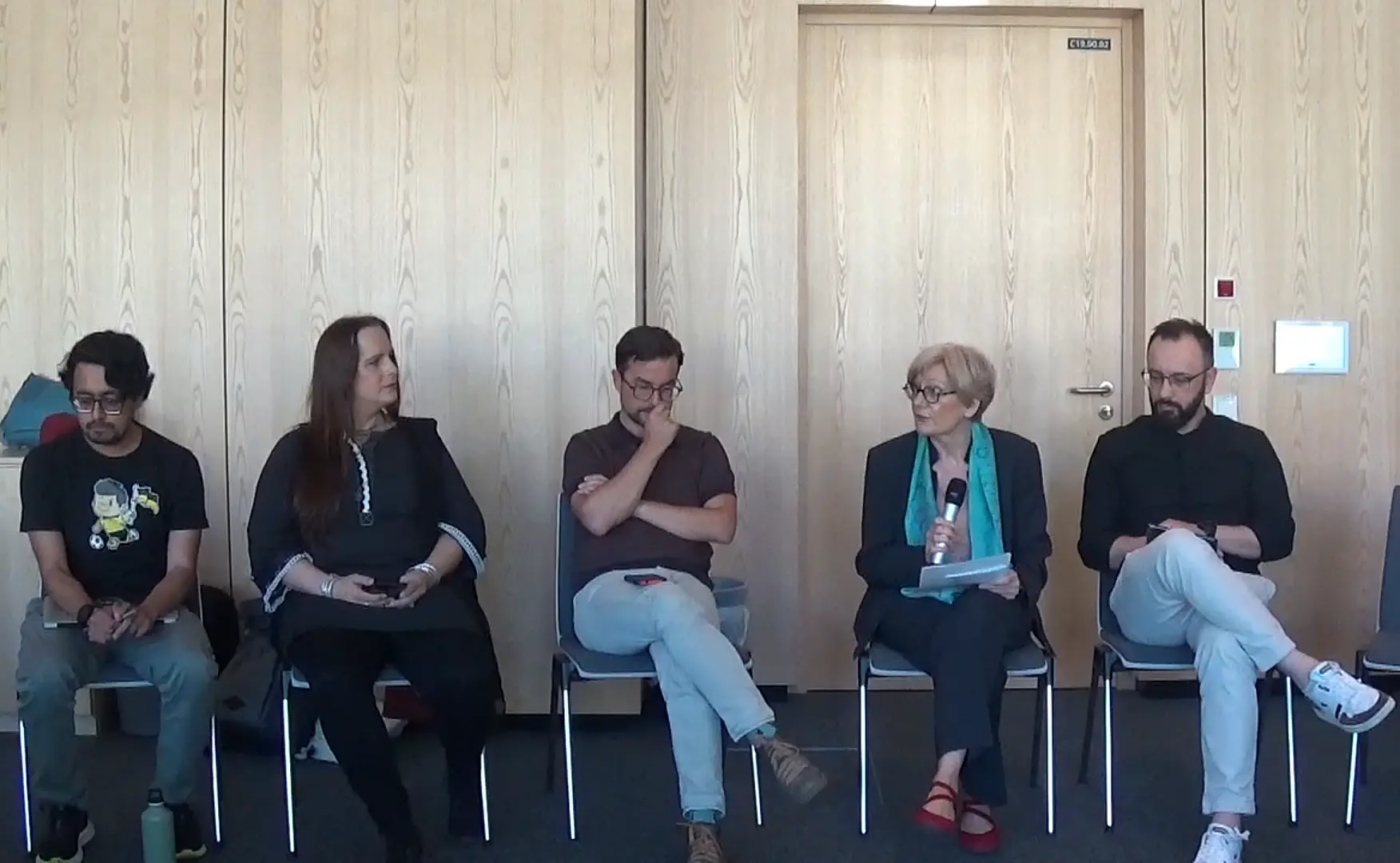
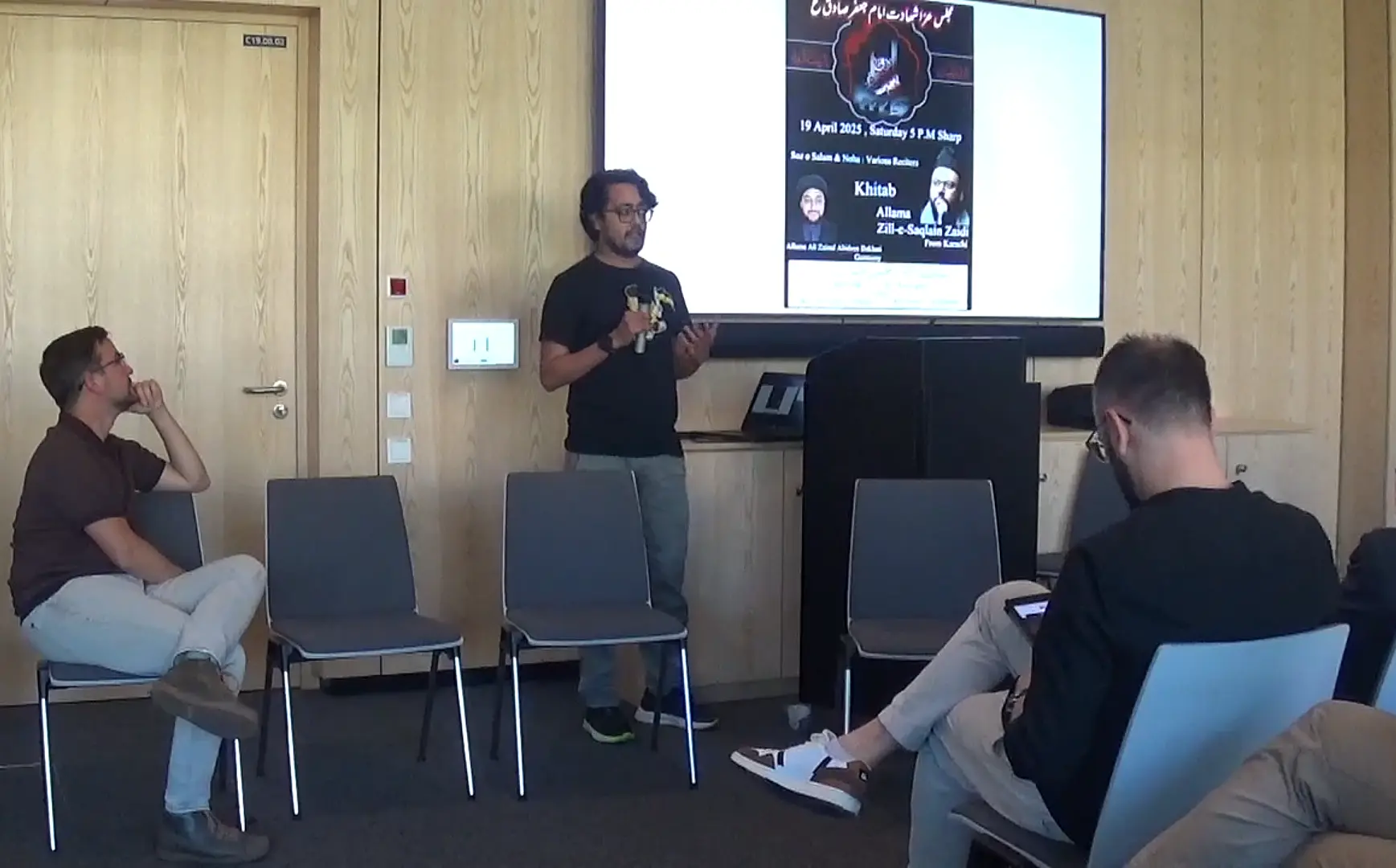
The organizers chose the very rich theme of "Muharram," which allowed for the first two-hour section of an academic panel to discuss Muharram: Transregional Perspectives. The scientific contributions were presented by Dr. Rasool Akbari (Assistant Professor, Ferdowsi University of Mashhad) on Muharram in Iran and by Dr. Nabeel Jafri (Postdoc, CeMIS, University of Göttingen) on Muharram in South Asia. Dr. Epsita Halder (Professor, Department of Comparative Literature, Jadavpur University) delivered a lecture on Muharram in the Hindu-dominant Bengal, Leyla Jagiella (Heidelberg) provided insights on Muharram and the Indian transgender Khwajasara communities, and finally, Numan Mustafa (Publishing Director, GNOSA Foundation for Culture and Science, Macedonia) discussed Muharram in the Balkans. These highly diverse perspectives on contemporary Islam in regions from India through Iran to the Balkans, which illuminate various social aspects such as Shia minorities or gender, highlighted the significant potential of transregional studies with interdisciplinary perspectives and a focus on the Global South.
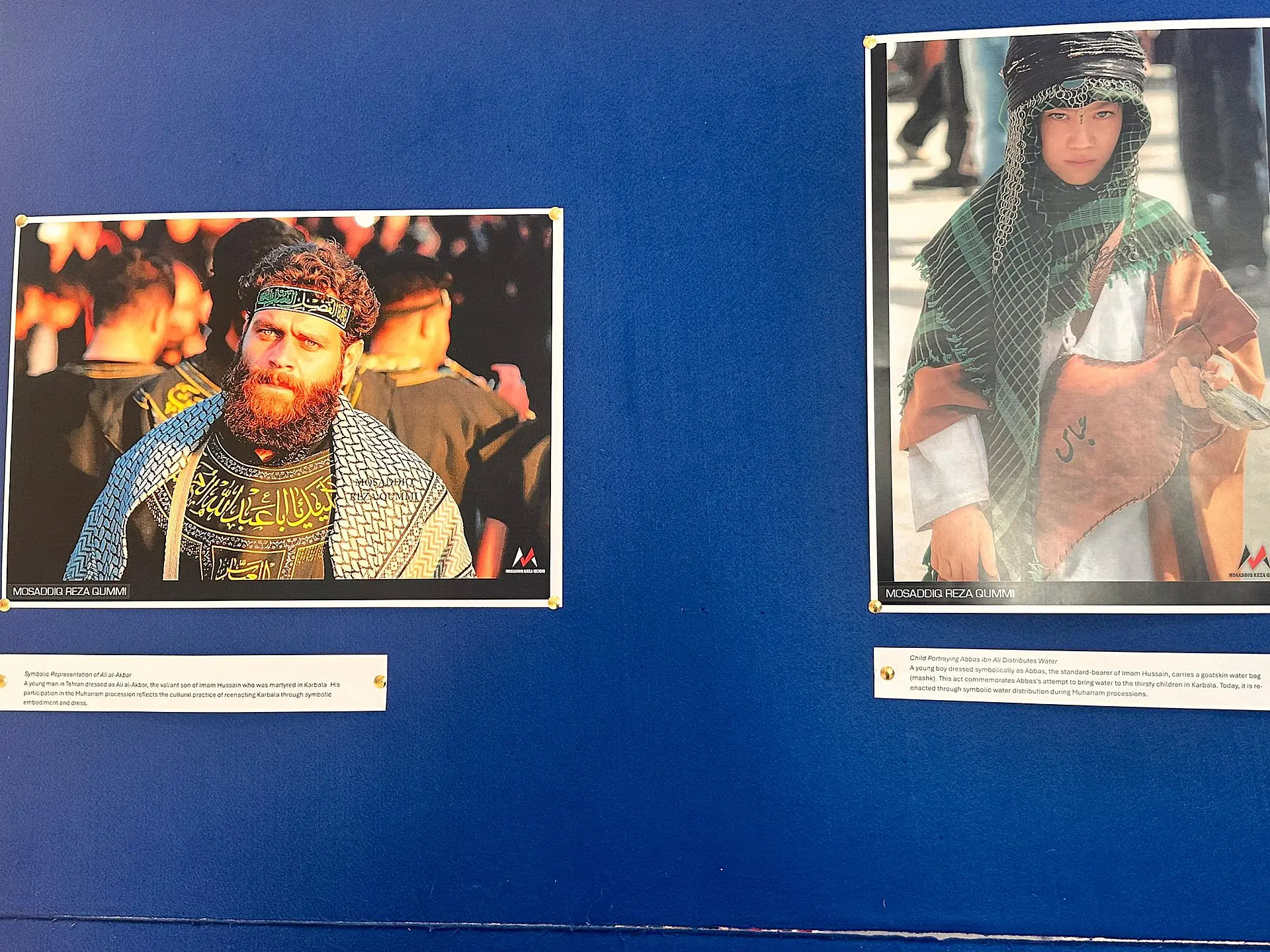
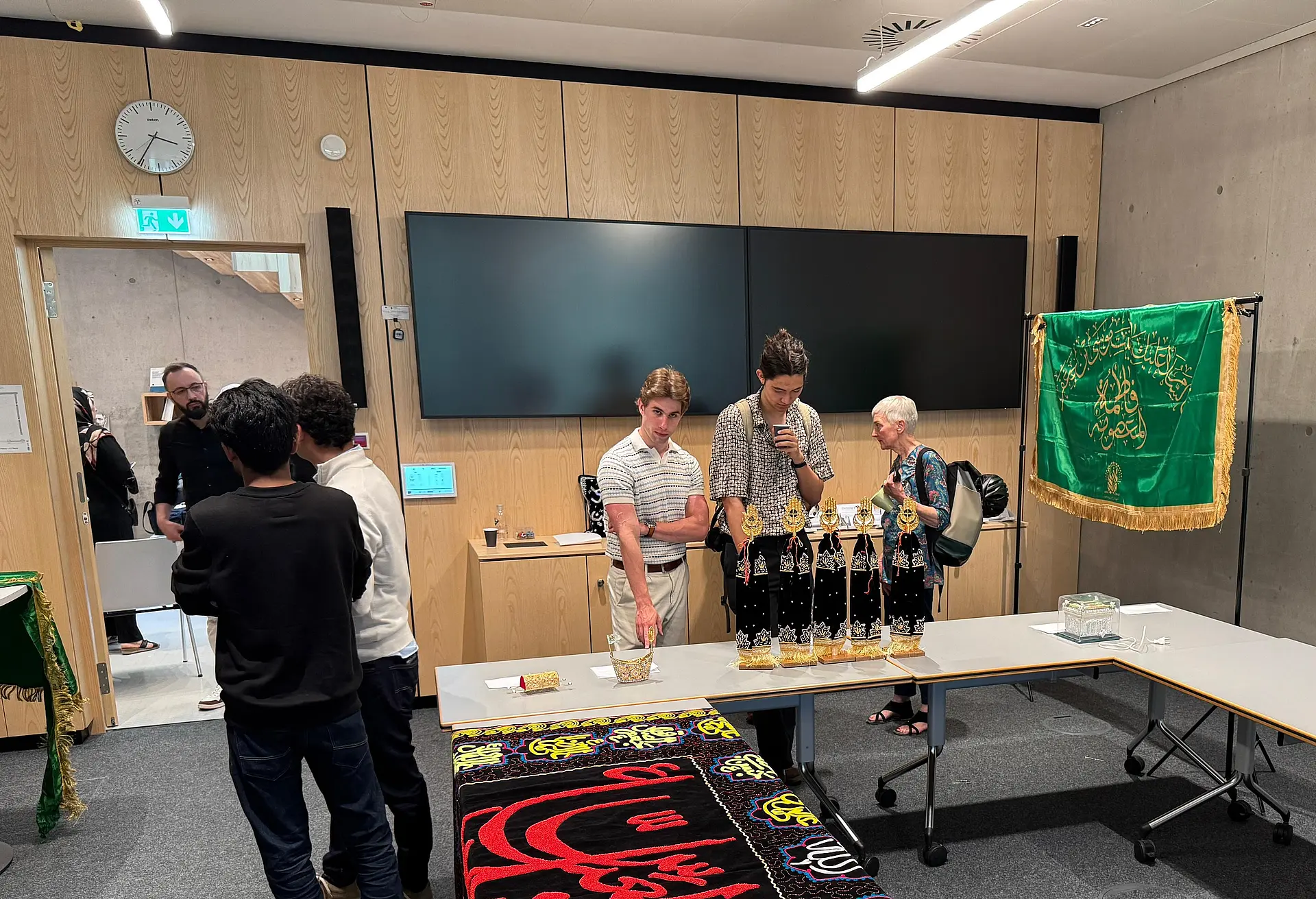
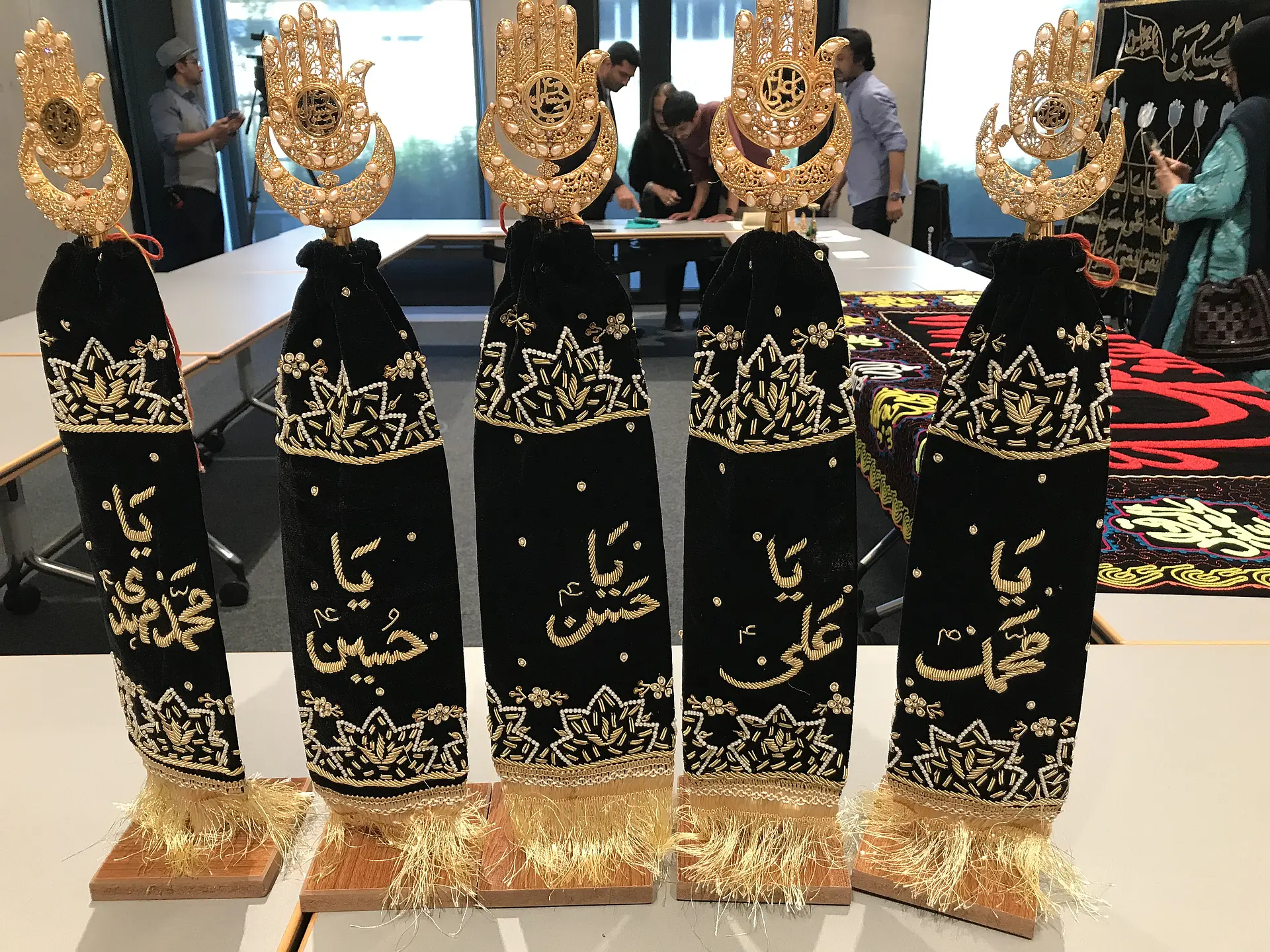
In addition, a comprehensive temporary exhibition showcased artifacts related to the personal piety of Muharram. Small objects from Shia households representing the protagonists of the Karbala narrative were provided by private individuals, such as the horse Zuljanah of Imam Husain or miniature cradles symbolizing Husain's infant son, Ali Asghar, who was martyred at Karbala. Furthermore, larger textiles were displayed, primarily banners and flags that are part of the traditional Muharram processions. They displayed embroidered calligraphies featuring, for example, the names of the Shiite imams. The objects shown represented an orthodox perspective on art with elaborate reference systems of writing and symbolism, without depicting human bodies.
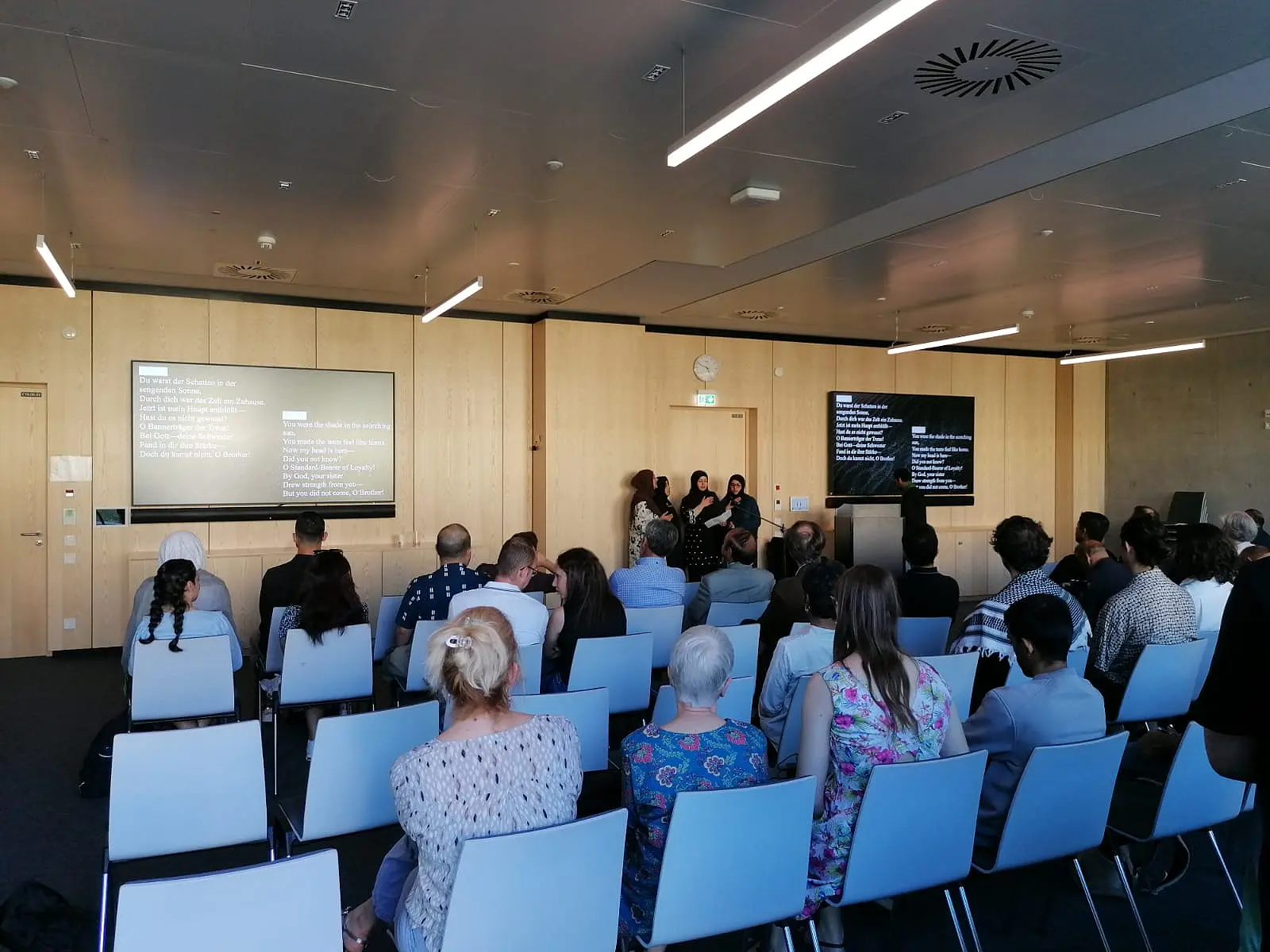
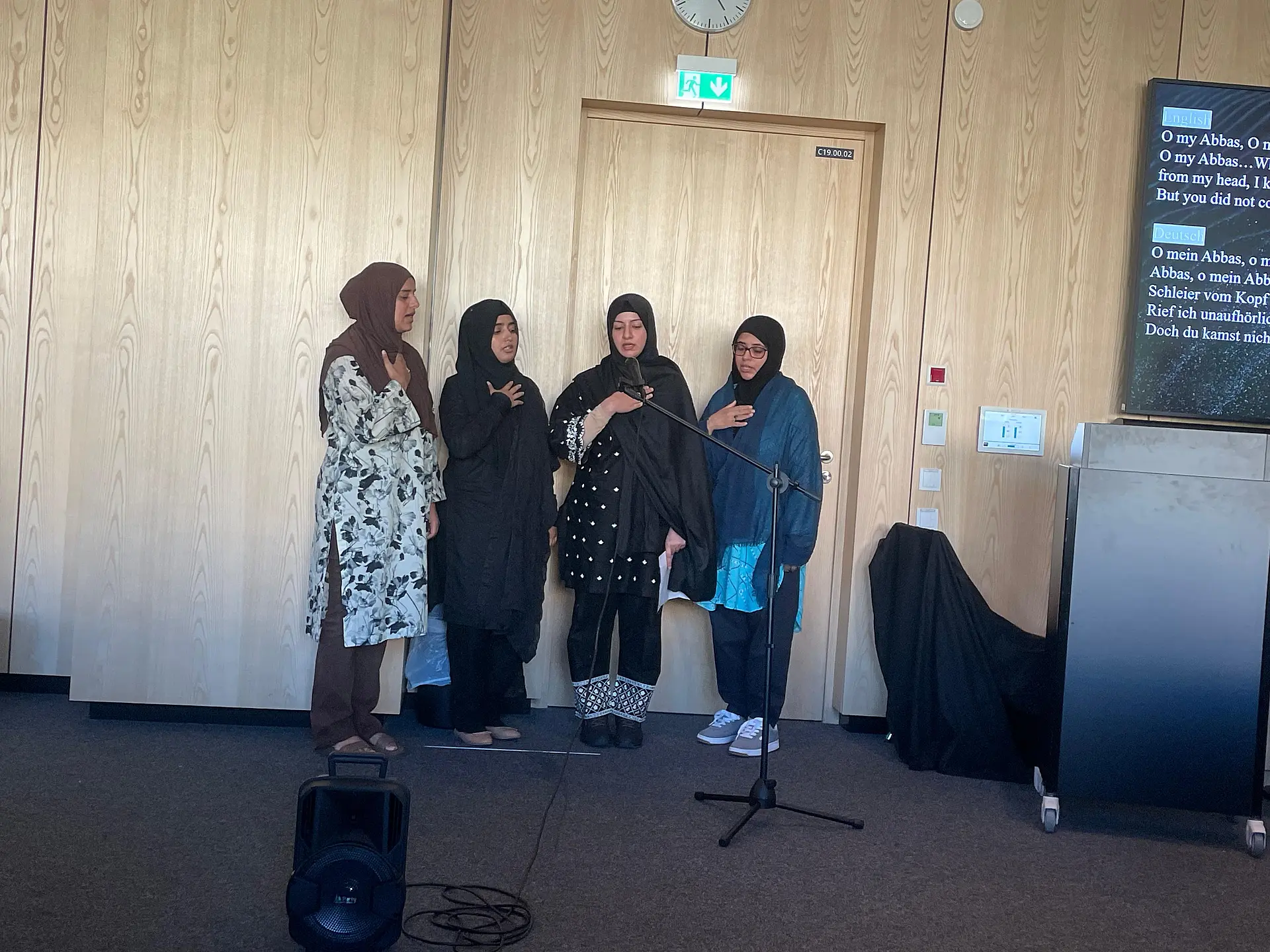
An academic research center typically engages in the exploration and reconstruction of cultures. The integration of performances, not only to give the opening event a festive character but also to inform about lived religion, represents a new approach. In the second part of the event Reciting Muharram: Culture(s), Ritual(s), Art, the audience had the opportunity to listen to six different performances of Muharram recitations, which represent styles between tradition and youth culture as well as different regions and migration: The performers, such as a women‘s choir from Nuremberg, all belong to various Shia communities in Germany. This ultimately allowed the audience to grasp the plurality of possible ways to stage and experience Muharram. Therefore, emic and etic perspectives came into play and opened new horizons.
Prof. Dr. Bärbel Beinhauer-Köhler, History of Religions/Religious Studies

Gerald Chukwuma: The Cinema (2024). Kristin Hjellegjerde Gallery.

![[Translate to English:] facebook icon](/fileadmin/SocialMediaIcons/iconfinder_06-facebook_white.svg)

![[Translate to English:] instagram icon](/fileadmin/SocialMediaIcons/iconfinder_38-instagram_white.svg)
![[Translate to English:] YouTube icon](/fileadmin/SocialMediaIcons/iconfinder_18-youtube_white.svg)
![[Translate to English:] xing icon](/fileadmin/SocialMediaIcons/iconfinder_xing_white.svg)

University of Erfurt (Campus)
Nordhäuser Str. 63
99089 Erfurt