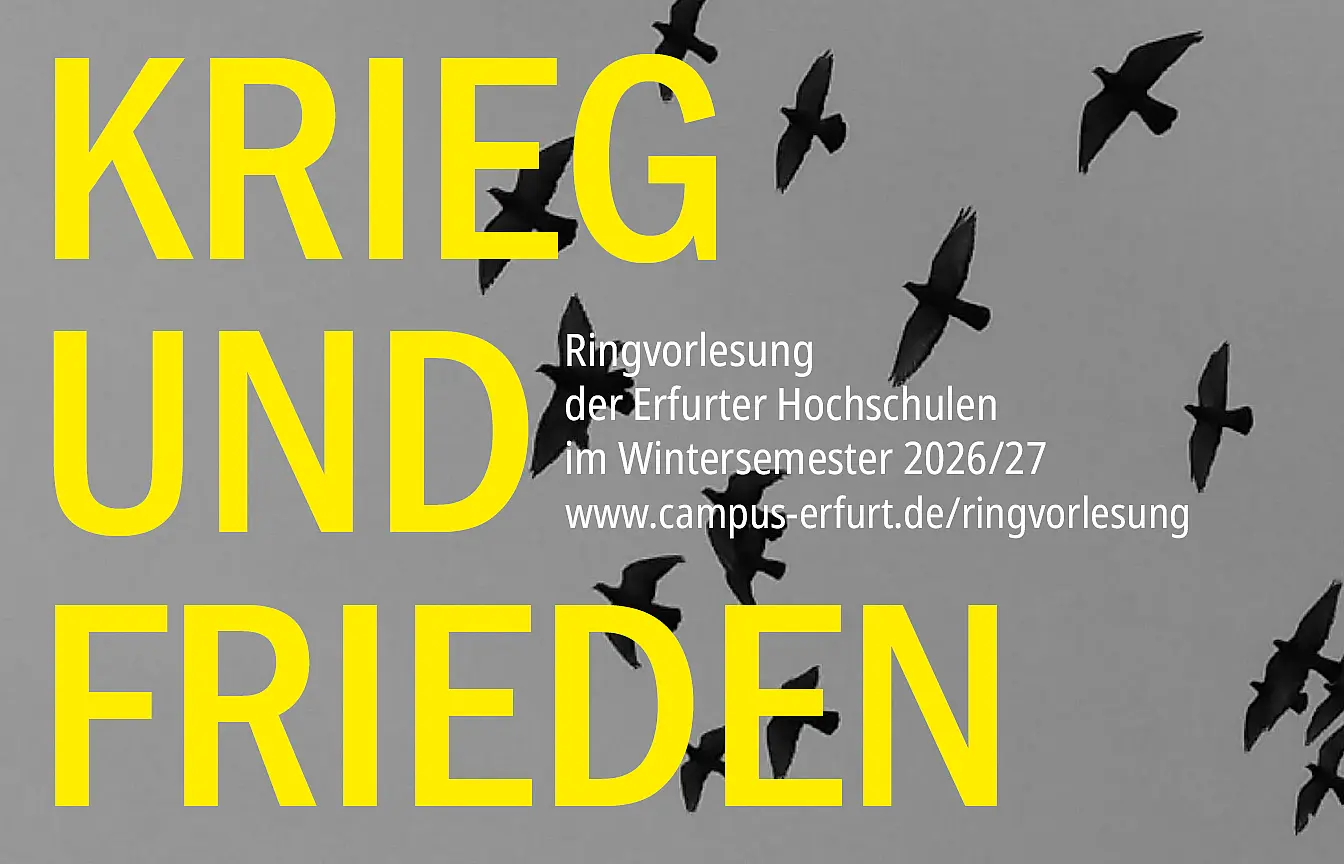
The event on 26 November will present the findings of the “Difference – Transformation – Cohesion” (DiTZu) project, through which the City of Erfurt and the University of Erfurt are contributing to the process of coming to terms with violence in the GDR and the so-called period of transformation.
For most people, the Peaceful Revolution of 1989–1990 marked the end of dictatorial rule; for some, it signalled the beginning of the so-called ‘baseball bat years’. The focus is on examining how social processes, conflict structures and collective forms of remembrance can be effectively analysed and reflected upon in collaboration between local institutions, civil society actors and affected groups. The aim is to strengthen social cohesion through dialogue-oriented and research-based event formats and to provide new impetus for a society characterised by solidarity and inclusion within the city.
The project participants have approached this goal through four subprojects: on the history of the Jewish Community of Thuringia (Christian Hermann), the everyday experiences and self-organised groups of women with disabilities (Elena Kiesel), misanthropy from the perspective of urban institutions (Steven Lange) and the culture of remembrance surrounding right-wing violence (Max Zarnojanczyk).
The ‘Difference – Transformation – Cohesion’ project sees itself as a non-partisan initiative, aiming to consolidate democratic structures and strengthen civil society engagement. It exemplifies the close cooperation between municipal bodies, research institutions and civil society organisations, thereby setting an example for a resilient democracy.
Admission to the lectures in the lecture series is free. However, please note that the number of seats in the Town Hall Ballroom is limited to 180.
![[Translate to English:] facebook icon](/fileadmin/SocialMediaIcons/iconfinder_06-facebook_white.svg)

![[Translate to English:] instagram icon](/fileadmin/SocialMediaIcons/iconfinder_38-instagram_white.svg)
![[Translate to English:] YouTube icon](/fileadmin/SocialMediaIcons/iconfinder_18-youtube_white.svg)
![[Translate to English:] xing icon](/fileadmin/SocialMediaIcons/iconfinder_xing_white.svg)
