Warum und wann wir uns entscheiden, nicht zu wissen
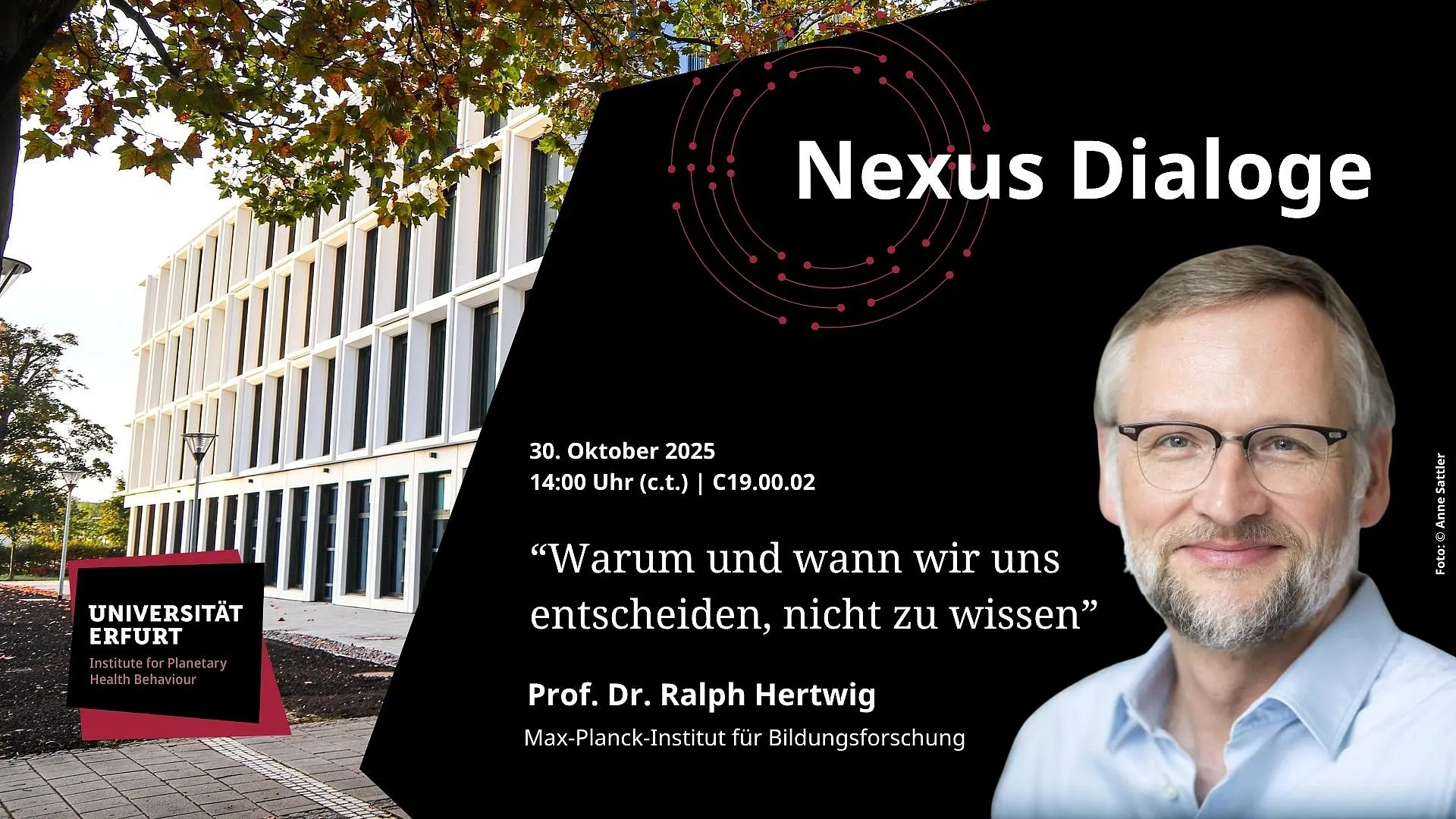
Information from the organisers:
James Watson, co-discoverer of the structure of DNA, had his own genome sequenced in 2007 – with one clear request: ‘But please don't tell me if I have an increased risk of Alzheimer's!’ Even a Nobel Prize winner with an insatiable thirst for research can consciously say: Thanks, but no thanks. It is precisely such cases that are the focus of this lecture. We are talking about ‘deliberate ignorance.’ That sounds counterintuitive, but in many situations it makes perfect sense.
We all practise deliberate ignorance – often as a conscious choice. We decide not to seek out certain information in the first place or simply not to use it. This practice affects not only us as individuals, but also governments, companies and organisations that deliberately choose ignorance.
Why do we do this? Sometimes ignorance protects us. Sometimes it contributes to the stability of society – or it preserves domestic peace when we don't want to share all our secrets with each other. There are also examples from our recent history: in post-war West Germany, some things were better left unknown until later generations demanded clarification. After the fall of the Berlin Wall, many citizens of the former GDR consciously decided not to view their Stasi files.
In this lecture, we explore the question of why deliberate ignorance is practised and can be functional – for example, by reducing discrimination. At the same time, however, we also discuss the downsides: when deliberate ignorance becomes problematic, for example when dealing with important medical information. In addition, we will look at how “cognitive performance” develops into conscious ignorance over the course of a lifetime and what possibilities there are for modelling this fascinating phenomenon of human cognition.
Knowledge in conversation: Climate · Health · Democracy
With the Nexus Dialogues, the Institute for Planetary Health Behaviour is launching a new, university-wide lecture series at the intersection of climate, health and democracy.
The aim is to discuss key questions about the future and develop answers together.
In the Nexus Dialogues, experts share their insights on climate, health and democracy and engage in an open dialogue with the audience. This creates a lively exchange between the disciplines that we carry into our work and society.

![[Translate to English:] facebook icon](/fileadmin/SocialMediaIcons/iconfinder_06-facebook_white.svg)

![[Translate to English:] instagram icon](/fileadmin/SocialMediaIcons/iconfinder_38-instagram_white.svg)
![[Translate to English:] YouTube icon](/fileadmin/SocialMediaIcons/iconfinder_18-youtube_white.svg)
![[Translate to English:] xing icon](/fileadmin/SocialMediaIcons/iconfinder_xing_white.svg)
