The prize honours outstanding academic work that provides new impetus for social responsibility in digital public spheres. The award aims to promote the visibility of outstanding research results on the consequences of digitalisation, social transformation processes and media ethics issues.
“Many users are finding it increasingly difficult to distinguish between information and disinformation. That is why we need solutions that not only recognise disinformation campaigns, but can also counteract them. The Hans Bausch Media Prize is a contribution to strengthening media literacy in a digital world where facts and fakes often blur,” explains SWR Director Professor Kai Gniffke.
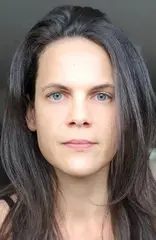
Dr Regina Cazzamatta received the award for her article ”The Content Homogenization of Fact-Checking Through Platform Partnerships: A Comparison Between Eight Countries". In it, she examines the influence of social media platforms on fact-checking organisations and the resulting consequences: “Fake news, disinformation, social media content that influences elections, and populism on the internet are topics that are increasingly being addressed by fact-checking, i.e. formats that uncover false information and refute it if necessary. There is a global trend towards checking social media content and rumours, known as debunking, with a particular focus on international events. At the same time, fact-checking of statements made by politicians and public figures is declining. This is partly because large platforms such as Meta are entering into partnerships with fact-checking organisations around the world and paying for verified articles on their platforms. They also provide AI tools for smaller fact-checking organisations. AI tools that have been developed primarily for the English-speaking world,” says Dr Regina Cazzamatta. Experts believe that this could reinforce the homogenisation of fact-checking content. However, debunking is not only related to platform partnerships: national differences, for example in politics or the media system, are also crucial. To better understand all this, Regina Cazzamatta examined fact-checking content from eight countries in Europe and Latin America. “In Latin America, the press system is less developed and there is no public service broadcasting. That's why social media is the main source of news for many people,” says the researcher. But what does this mean for fact-checking organisations and the influence of platforms? “In Latin America, more social media content is checked. This makes sense because these countries are more likely to encounter disinformation,” explains Cazzamatta, recalling that the META corporation terminated its cooperation with fact-checking organisations in America at the beginning of the year. “If this continues worldwide, it could not only threaten the survival of fact-checking organisations in countries with less developed press systems, but also have a significant impact on democratic systems as a whole.”
![[Translate to English:] facebook icon](/fileadmin/SocialMediaIcons/iconfinder_06-facebook_white.svg)

![[Translate to English:] instagram icon](/fileadmin/SocialMediaIcons/iconfinder_38-instagram_white.svg)
![[Translate to English:] YouTube icon](/fileadmin/SocialMediaIcons/iconfinder_18-youtube_white.svg)
![[Translate to English:] xing icon](/fileadmin/SocialMediaIcons/iconfinder_xing_white.svg)
