The aim of these fellowships is to create incentives for the development and testing of digitally supported teaching and examination formats – for example through MOOCs, blended learning, games, simulations, electronic examinations, the use of AI – or the curricular redesign of modules and study sections with the consistent use of digital technologies. In addition, they are intended to promote cross-university exchange on (digital) lecturing and the dissemination of the teaching innovations developed by networking the fellows and contribute to the perpetuation of digital lecturing in the universities themselves.
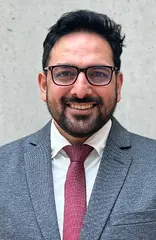
Dr Hasnain Bokhari, who has already been selected for such a fellowship for the second time, would like to develop digital teaching and learning content in the field of public policy and integrate artificial intelligence into teaching over the next one and a half years as part of his project at the University of Erfurt. Students will learn how to assess the reliability of AI and produce video tutorials on various software tools. They will also be able to take part in Moodle-based examinations and gamification scenarios for quantitative research. "We are pursuing a flipped teaching approach, in which the classic sequence of lessons is reversed: Students work through the material at home – usually with the help of explanatory videos – and then use the time at university to practise together," explains Bokhari. "This self-directed learning has a high potential for sustainability and can also be transferred to other subject areas."
Thuringia's Science Minister Christian Tischner emphasises the importance of promoting digital innovations in teaching: "Digital innovations are like a compass on a journey into unknown territory – they show us new paths and open up possibilities that were previously unthinkable. Our lecturers are the courageous explorers who shape learning worlds with creativity and passion, who inspire students and make them fit for the future. The fellowships give these pioneers the freedom they need to sustainably advance Thuringia as a centre of science."

![[Translate to English:] facebook icon](/fileadmin/SocialMediaIcons/iconfinder_06-facebook_white.svg)

![[Translate to English:] instagram icon](/fileadmin/SocialMediaIcons/iconfinder_38-instagram_white.svg)
![[Translate to English:] YouTube icon](/fileadmin/SocialMediaIcons/iconfinder_18-youtube_white.svg)
![[Translate to English:] xing icon](/fileadmin/SocialMediaIcons/iconfinder_xing_white.svg)
