The scene shown on this evening is based on an interview conducted as part of the project "Dictatorship Experience and Transformation" at the University of Erfurt, in which an experience from the year 2002 is described. The short story takes us into the working world of the 1990s and 2000s in the East German federal states. After the end of the GDR, the number of unemployed rose to 1.5 million by 1997. This meant that almost one in five people of working age was not in employment. Various employment policy measures meant that a large number of people were also working in sometimes precarious, so-called atypical employment relationships. The event on 30 September refers to this.
By the way: The scene will also be performed on 23 September at 7 pm in Jena (Jenpuppets, Beutnitzer Str. 27, Jena East).
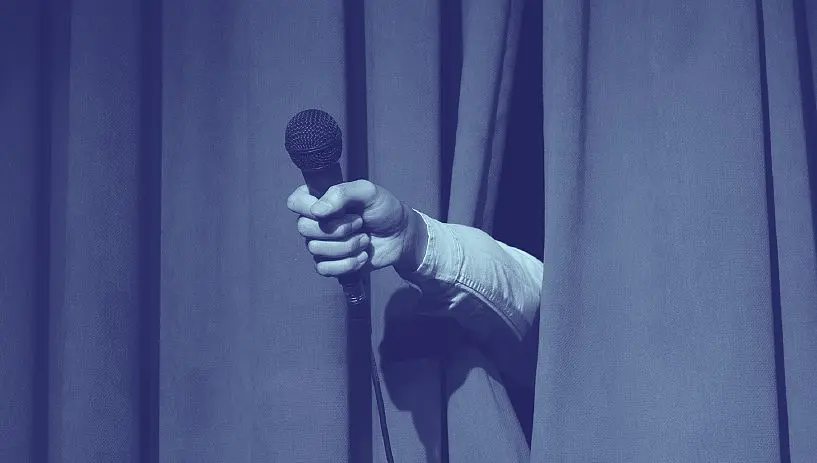
Scenic theatre to join in
The starting point was the assumption that not only individual and collective experiences during the GDR, but also the deep biographical upheavals of the post-reunification period characterise the memory of the GDR. In the following decade, the political debates of 1989/90 gave rise to a conflict of remembrance that continues to have an impact today. This is the reason for the temporal focus of the project, which looks at the last two decades of the GDR and the two subsequent decades of transformation together and deliberately transcends the historical caesura of 1989/90. This research was guided by two questions: on the one hand, the question of which concrete experiences of the late GDR and the transformation period feed current memories, how are they articulated and passed on? Secondly, how do these memories relate to the diverse public representations of the GDR and how do they support or prevent the formation of historical judgements?
![[Translate to English:] facebook icon](/fileadmin/SocialMediaIcons/iconfinder_06-facebook_white.svg)

![[Translate to English:] instagram icon](/fileadmin/SocialMediaIcons/iconfinder_38-instagram_white.svg)
![[Translate to English:] YouTube icon](/fileadmin/SocialMediaIcons/iconfinder_18-youtube_white.svg)
![[Translate to English:] xing icon](/fileadmin/SocialMediaIcons/iconfinder_xing_white.svg)
