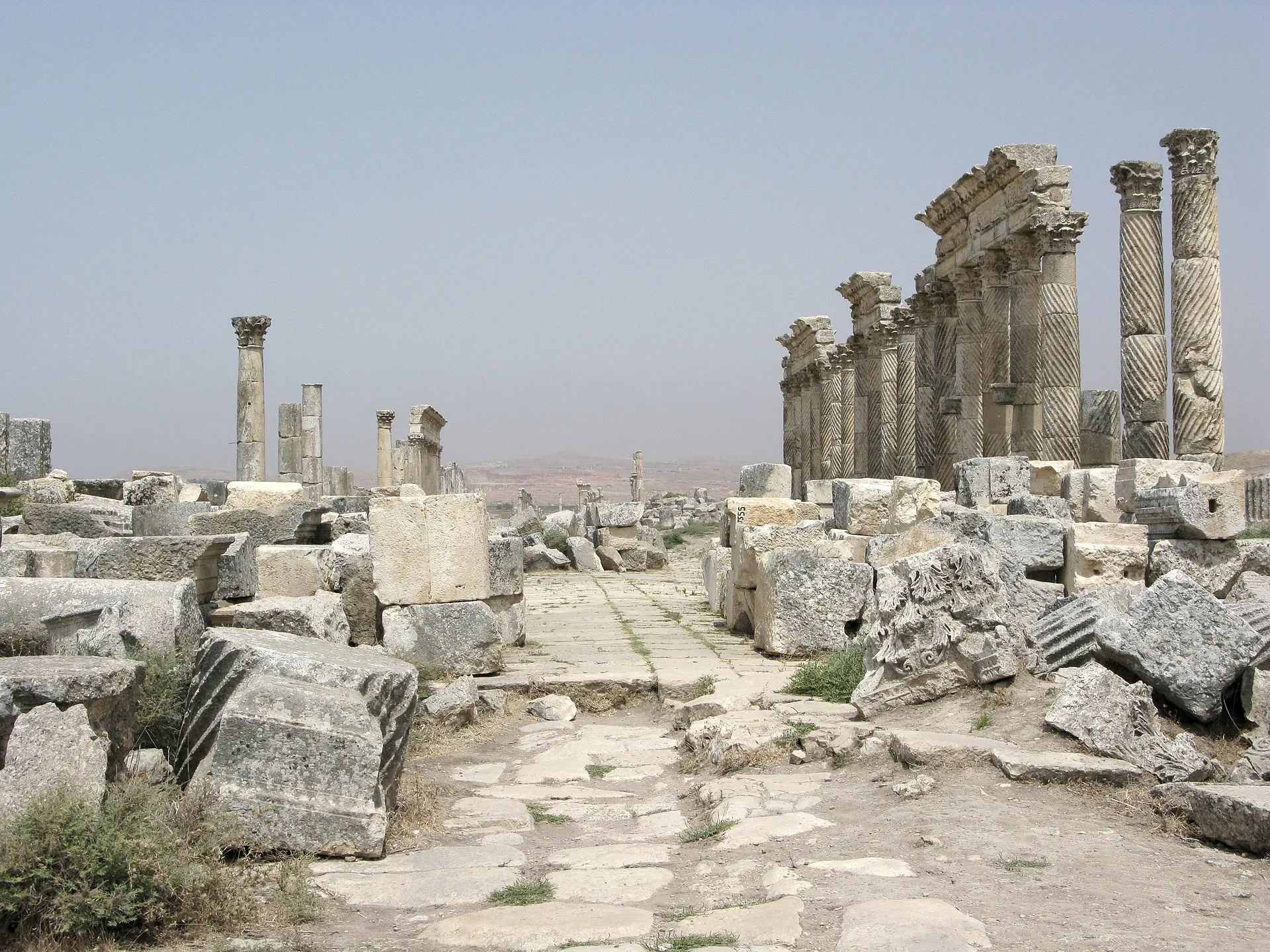
In the early thirteenth century, a Christian Arabic scribe – likely working in Damascus – produced the sole surviving copy of an anonymous world chronicle originally composed in 713 CE. Its author was probably a Syriac monk from the region of Apamea who adhered to Monotheletism, the doctrine of Christ’s unique will, which was condemned by the Council of Constantinople in 681 CE. This work, conventionally titled the Maronite Chronicle of 713, was originally composed in Syriac, but survives only in Arabic and has remained virtually unknown until now. The Chronicle provides a unique perspective on the religious and political history of the Eastern Mediterranean during the early Islamic period and sheds new light on the so-called ‘Eastern source(s)’ behind the well-known chronicles of Theophanes the Confessor, Michael the Syrian, Agapius of Mabbug, and others. In this talk, I will first introduce this new source and highlight its importance for Syriac historical writing, Syro-Chalcedonian identity, and the formative period of Islam. The second part of the talk will focus on the Chronicle’s sole manuscript witness, examining its thirteenth-century context and reflecting on its place in Maronite historical memory and the factors that contributed to its eventual marginalization.
Dr. Adrian C. Pirtea (PhD Freie Universität Berlin 2017) is a postdoctoral researcher at the Austrian Academy of Sciences (Institute for Medieval Research, Department of Byzantine Research). His research focuses on the history of Eastern Christianity, with particular expertise in Syriac, Byzantine Greek, and Christian Arabic patristic and monastic literature. He is currently the Principal Investigator of the ERC Starting Grant Reviving the Ascetic Ideal in the Eastern Mediterranean: Entangled Memories of Early Egyptian Asceticism in Syriac, Arabic, and Armenian Christianity (969–1375 CE), running from October 2023 to September 2028.


![[Translate to English:] facebook icon](/fileadmin/SocialMediaIcons/iconfinder_06-facebook_white.svg)

![[Translate to English:] instagram icon](/fileadmin/SocialMediaIcons/iconfinder_38-instagram_white.svg)
![[Translate to English:] YouTube icon](/fileadmin/SocialMediaIcons/iconfinder_18-youtube_white.svg)
![[Translate to English:] xing icon](/fileadmin/SocialMediaIcons/iconfinder_xing_white.svg)
