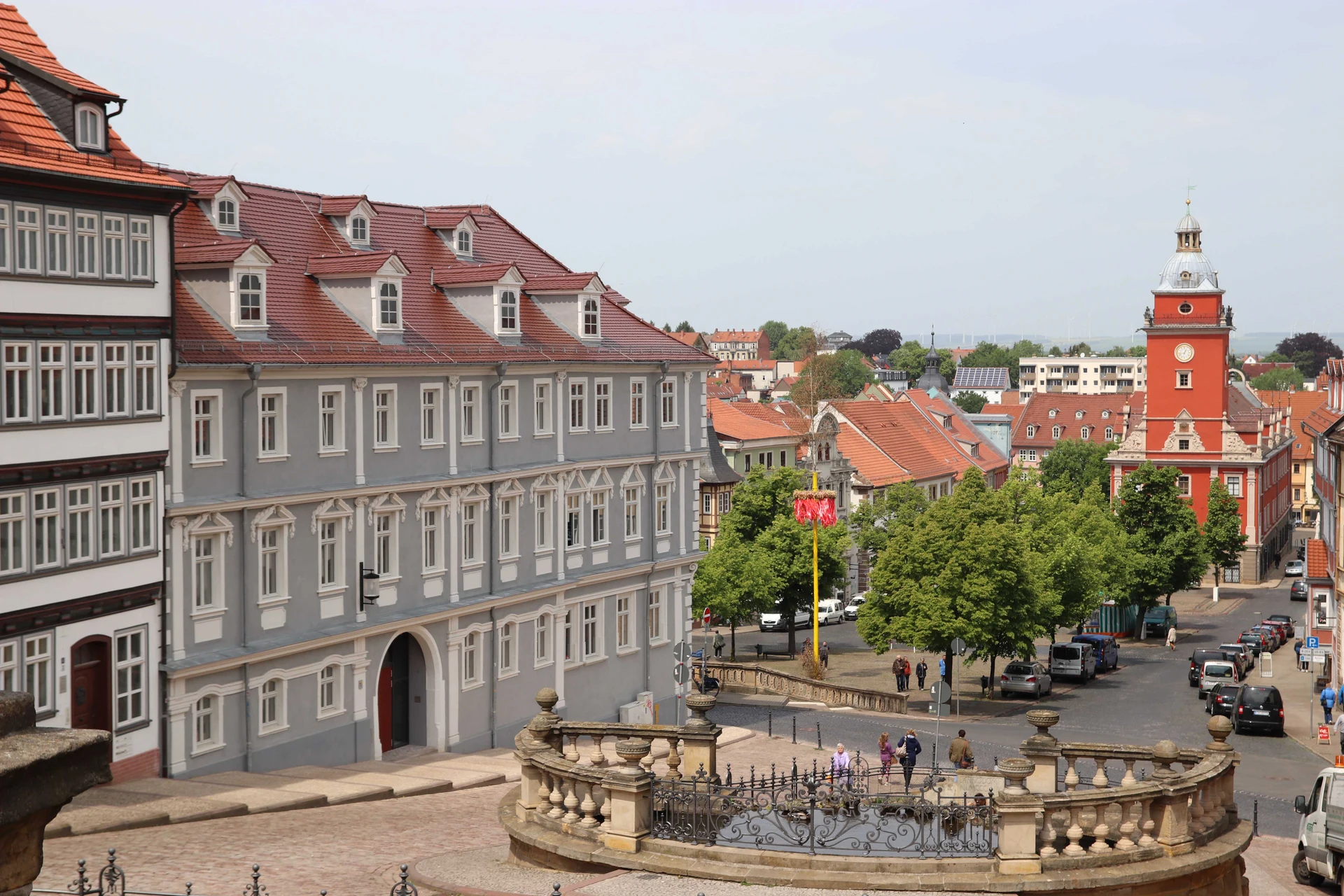
The Alchemy Network has set itself the goal of promoting exchange between historians and scientists on the reconstruction of alchemical processes in the early modern period, organising events on the subject and initiating joint projects. Alchemical process regulations from the early modern period will be analysed and the extent to which these processes can be reworked in the laboratory will be investigated. Problems and opportunities of such a reconstruction will be discussed. The key questions are: Do the sources reveal the point at which practicality is abandoned to make way for theory and speculation? What criteria did an alchemist use to judge the success of an experiment or substance production?
Programme
9.30 - 9.45 a.m.
Introduction
9.45 - 10.15 a.m.
Florian Ebeling (Munich): Alchemy as Egyptian wisdom in 18th century Freemasonry
10.15 - 10.45 a.m.
Holger Zaunstöck (Halle): The Medicus Malabaricus of 1712 – a source for the history of alchemy?
10.45 - 11 a.m.
Break
11 - 11.30 a.m.
Volkhard Wels (Berlin): Alchemy and the literary game
11.30 a.m. - 12 p.m.
Kathrin Pfister (Heidelberg): Correspondence of Joachim Polemann (1624-?)
12 - 2 p.m.
Lunch at the Augustinian Monastery
14 - 14.30 p.m.
Alexander Kraft (Eichwalde): Paths to the universal tincture: Dorothea Juliana Wallich. Her life and her works.
2.30 - 3 p.m.
Nils Lenke (Rheinbach): Gertraud von Veltheim (1585-1622) – "understanding matron" or hidden alchemist?
3 - 3.30 p.m.
Break
3.30 - 4 p.m.
Rainer Werthmann (Kassel): Baron von Schwarzstein – a collector of alchemical prescriptions for Duke Friedrich I of Saxe-Gotha
16 - 16.30
Juergen Hollweg (Bayreuth): Network structures of early modern chemists around 1600: Regional distribution
4.30 –5 p.m.
Conclusion

![[Translate to English:] facebook icon](/fileadmin/SocialMediaIcons/iconfinder_06-facebook_white.svg)

![[Translate to English:] instagram icon](/fileadmin/SocialMediaIcons/iconfinder_38-instagram_white.svg)
![[Translate to English:] YouTube icon](/fileadmin/SocialMediaIcons/iconfinder_18-youtube_white.svg)
![[Translate to English:] xing icon](/fileadmin/SocialMediaIcons/iconfinder_xing_white.svg)
