
Are you interested in studying at the University of Erfurt? On the following pages you will find all the important information about the range of courses on offer, application and enrolment, advice and services, as well as financing and living at the university city of Erfurt.
Studying at the University of Erfurt - travelling with...
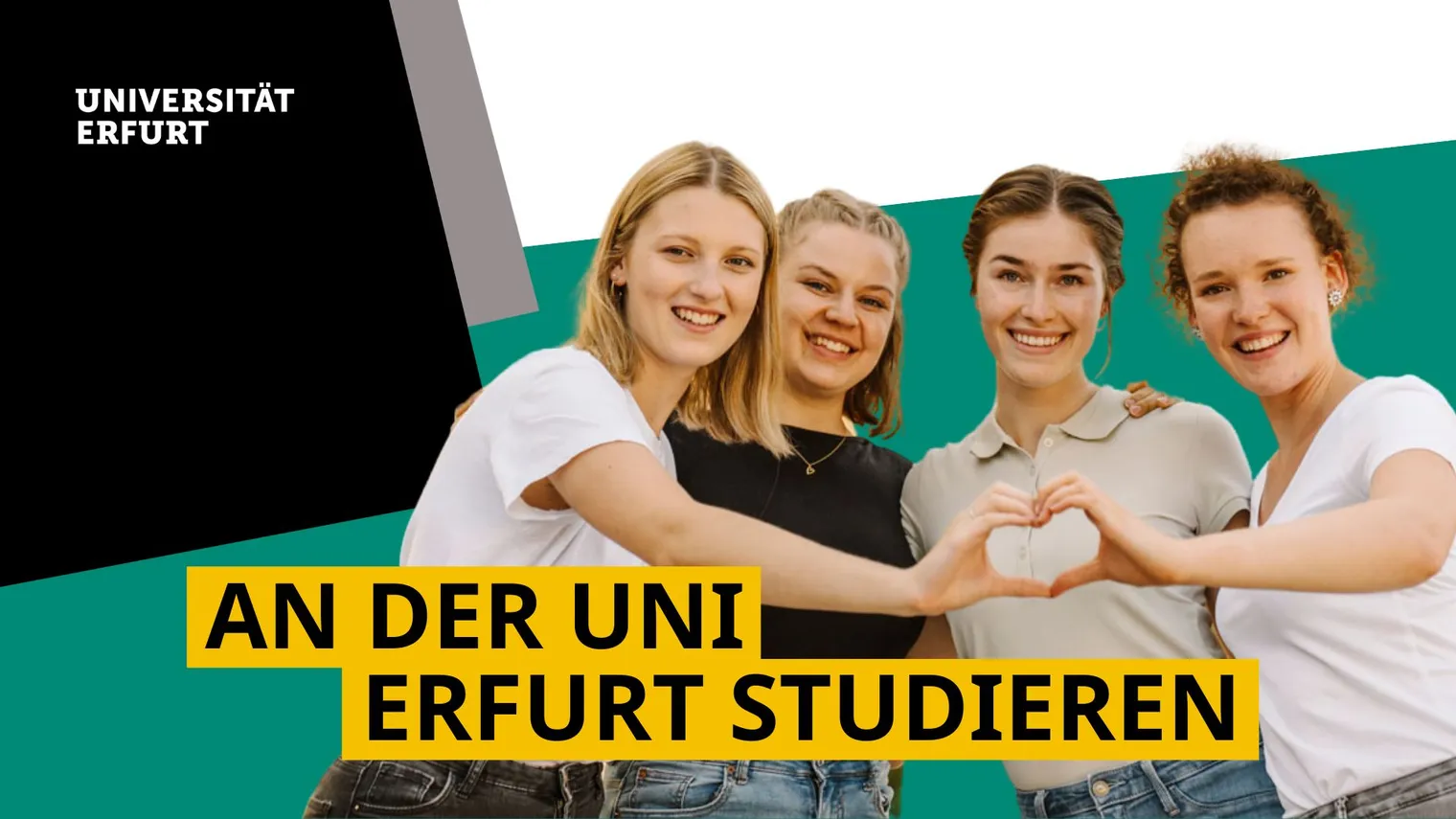
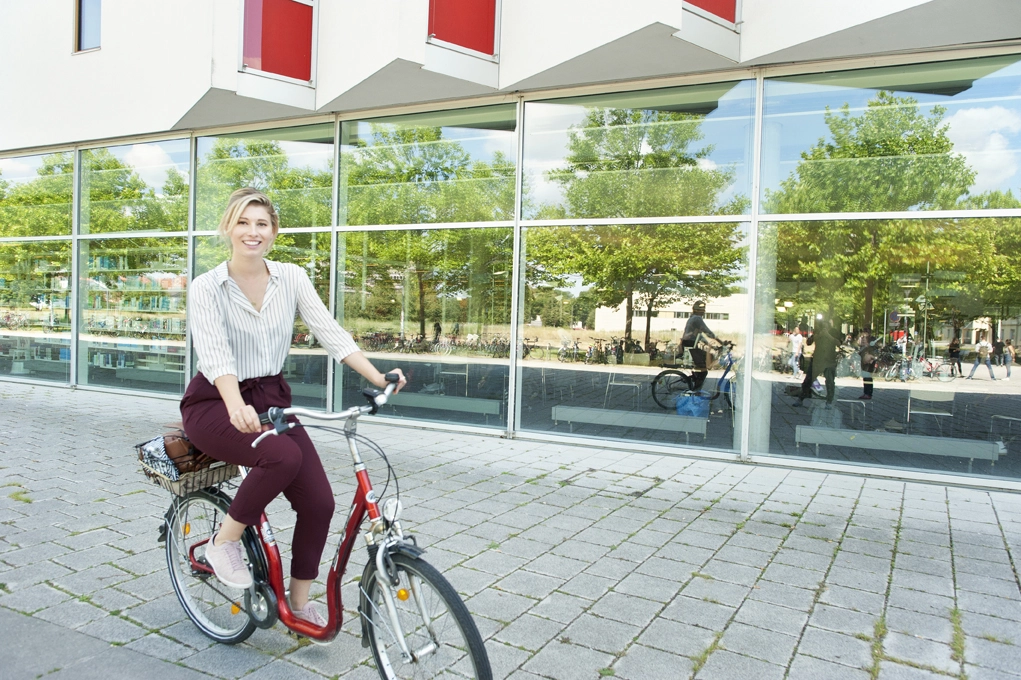
Our students Nathalie (Bachelor's degree in Literary Studies & Management) and Pauline (Bachelor's degree in German Studies & Protestant Religion) will take you on a tour of Erfurt and show you the University of Erfurt campus and their favourite places in the city of Erfurt.
Please note: Once you watch the video, data will be transmitted to Youtube/Google. For more information, see Google Privacy.

A-levels and then?
What are the requirements for studying in Erfurt? In order to study at the University of Erfurt, you generally need the general higher education entrance qualification, in short the Abitur.
There are additional special admission requirements for some bachelor's programmes. These can be, for example, aptitude tests in the fields of Arts, Music or Sport or an aptitude test, such as for Communication Science.
For some master's programmes, participation in the selection process is required.
Study programmes at the University of Erfurt
What degree programmes are available at the University of Erfurt? How can I find a suitable degree programme? Our course offerings include almost 50 Bachelor's, Magister and Master's programmes with a future, including most subjects without NC.
Fields of study: Which degree programme is right for me?
You don't know what you want to study yet? Then the fields of study, which represent specific interests, will help you.
They are an important orientation aid if you are looking for a suitable degree programme. They also make it easier for you to find alternatives with similar course content.
How can I get to know the University of Erfurt?
Bachelor-Master system
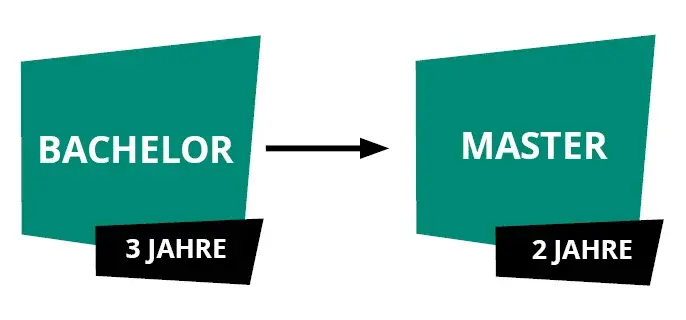
The University of Erfurt offers a tiered study system. It consists of two consecutive study programmes: the Bachelor's and the Master's degree.
Firstly, a (basic) Bachelor's degree programme must be completed, which generally requires the Abitur as a general university entrance qualification (three years).
You then have the option of taking up a Master's degree programme (two years). The prerequisite for this is usually proof of a first university degree.

Programme structure with modules
The degree programme at the University of Erfurt consists of several modules, thematically linked teaching units. A module deals with an overarching topic over one or two semesters.
Modules are in turn made up of sub-modules . Within these sub-modules, specific courses are offered, such as lectures, seminars, exercises or internships. Each module concludes with a module examination (written exam, written paper or oral examination).
For the successful completion of a module, you will receive credit points, which are calculated according to the European Credit Transfer and Accumulation System (ECTS). These points reflect the amount of work involved.
The degree programme is made up of compulsory modules, which all students must complete, and elective modules, which you can choose from. This allows you to specialise and design your studies individually.
In the final semesters, students are required to complete a major thesis (e.g. bachelor's or master's thesis), which is a module in its own right.

Credit points (LP/ECTS)
The time spent studying is expressed in credit points according to the European Credit Transfer and Accumulation System (LP/ECTS).
- 1 credit point = 30 hours of work
You collect around 30 credit pointsper semester, which amounts to a total of 180 ECTS for a Bachelor's degree programme. Behind this are 900 hours of work per semester. This corresponds to a 40-hour week including statutory holidays.
Application for admission-free bachelor's programmes (studying without admissions restricted courses)
- Overview of admission-free degree programmes at the University of Erfurt
- Enrolment period for admission-free degree programmes (without NC) in each case:
- from 01.05. to 15.09.

Application for admissions restricted bachelor's programmes (studying with admissions restricted courses)
- admission-restricted degree programmes at the University of Erfurt:
- International Relations
- Teaching, Learning and Training Psychology (major subject only)
- Primary Education (teaching profession primary schools)
- Application period for degree programmes with restricted admission (with NC) in each case:
- from 01.05. to 15.07.
Application for the Master's programme
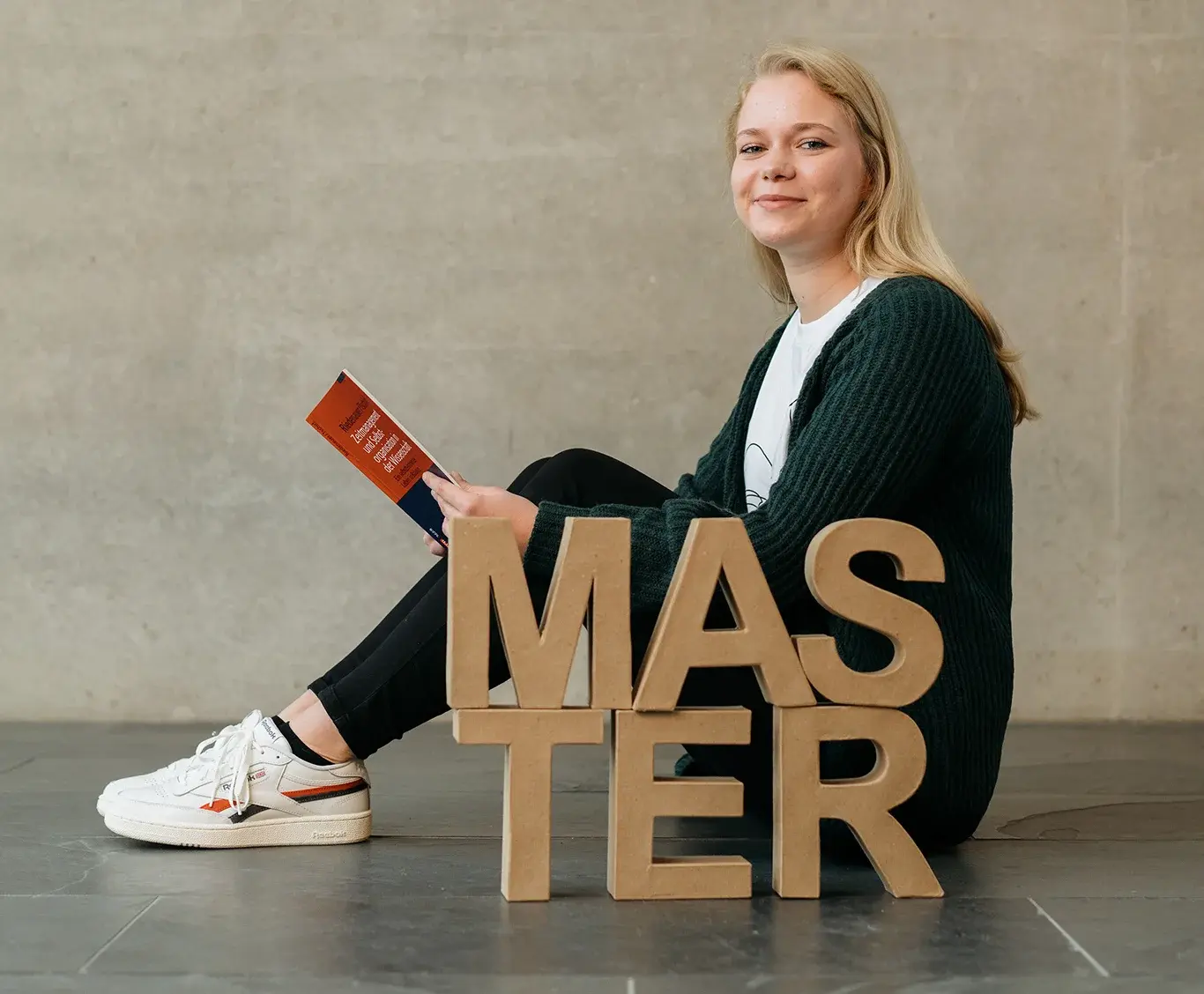
A Master's degree programme is an advanced degree programme that builds on the Bachelor's degree and usually lasts two years. In this degree programme, you deepen your knowledge in a specific subject area or prepare for a specific appointment.
During the Master's programme, you take advanced courses and seminars. At the end, you write a master's thesis. A Master's degree can increase your chances of finding better jobs and give you access to higher positions in various industries.
Do you already have your Bachelor's degree in your pocket? Then apply for a Master's programme at the University of Erfurt.
















Student orientation days - well prepared for your studies
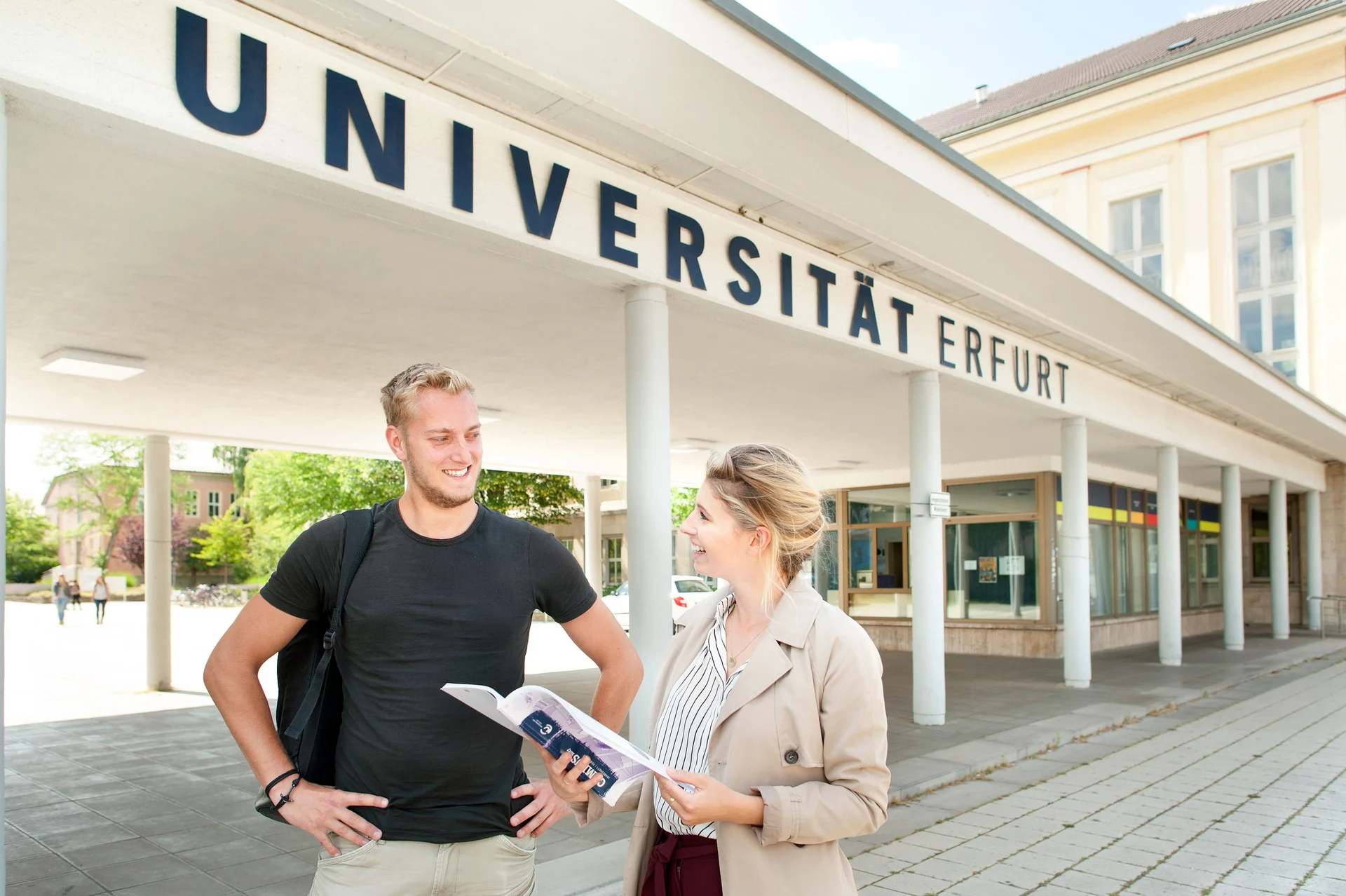
Starting a degree programme, transferring to another university or moving to another city is a big step that we want to support you with. We offer Student Orientation Days (STET) in the week before classes begin. When you start your studies as a first-semester student, students from the higher semesters, your student tutors, will be there to support you. In addition to preparing you for your studies, you will learn a lot of interesting and exciting facts about studying and student life in Erfurt.
to the Student Orientation Days
Information from the International Office on starting your studies at the University of Erfurt





![[Translate to English:] facebook icon](/fileadmin/SocialMediaIcons/iconfinder_06-facebook_white.svg)

![[Translate to English:] instagram icon](/fileadmin/SocialMediaIcons/iconfinder_38-instagram_white.svg)
![[Translate to English:] YouTube icon](/fileadmin/SocialMediaIcons/iconfinder_18-youtube_white.svg)
![[Translate to English:] xing icon](/fileadmin/SocialMediaIcons/iconfinder_xing_white.svg)
